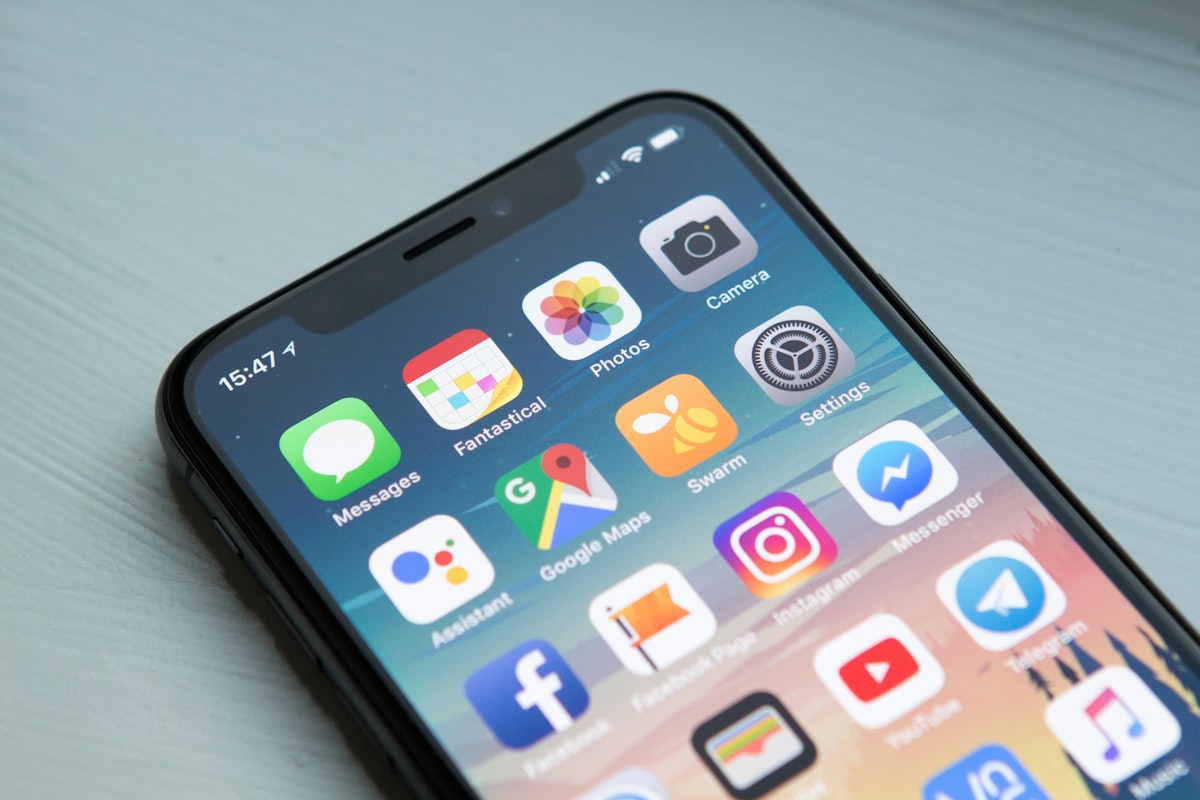

Geofencing has revolutionized location-based marketing, allowing businesses to connect with potential customers in highly relevant moments. Beyond simply drawing virtual boundaries, advanced targeting tactics amplify geofencing's power, enabling unparalleled precision and effectiveness. This post will delve into four crucial geofencing targeting tactics: Cross-Device Targeting, Retargeting, Lookalike Audiences, and Behavioral Targeting, explaining how each can be leveraged to optimize your marketing campaigns.
Cross-Device Targeting
Cross-Device Targeting is the practice of identifying a single user across multiple devices—such as smartphones, tablets, desktops, and connected TVs—and delivering consistent advertising messages to them regardless of the device they are currently using [1]. This tactic is vital in today's multi-screen world, where consumers frequently switch between devices throughout their day.
How it WorksCross-device targeting relies on identity resolution, which can be achieved through two primary methods:
- Deterministic Matching: This method uses unique, persistent identifiers like login credentials (e.g., email addresses) to accurately link devices to a single user. If a user logs into their account on both their phone and laptop, deterministic matching can confidently identify them as the same individual [1].
- Probabilistic Matching: This approach uses algorithms and statistical analysis of non-personal data points (e.g., IP addresses, browsing patterns, device types, operating systems) to make educated guesses about which devices belong to the same user. While less precise than deterministic matching, it offers broader coverage [1].
By implementing cross-device targeting, marketers can:
- Enhance Reach: Deliver a unified brand message across all touchpoints, ensuring your audience sees your ads wherever they are online.
- Improve User Experience: Prevent ad fatigue by applying frequency capping across devices, ensuring users aren't overwhelmed by repeated ads on a single device.
- Accurate Attribution: Gain a clearer understanding of the customer journey, tracking conversions that might start on one device and complete on another.
For example, a retail brand can target a user who entered a geofenced store location with an ad on their smartphone. If the user later browses the brand's website on their desktop, cross-device targeting ensures they continue to see relevant ads, prompting them to complete a purchase.
Retargeting
Retargeting, also known as remarketing, is a marketing strategy that re-engages potential customers who have previously interacted with your brand or shown interest in your products/services but have not yet converted [2]. When combined with geofencing, it becomes an incredibly powerful tool.
How it WorksGeofence retargeting involves setting up a virtual boundary around a specific physical location. When a mobile device enters or exits this geofenced area, it triggers an event. Instead of immediately serving an ad, the device's ID is captured and added to a custom audience segment. This segment can then be targeted with specific ads at a later time, even after the user has left the geofenced area [2].
Campaign ImplicationsGeofence retargeting allows businesses to:
- Re-engage Warm Leads: Target individuals who have physically visited a location relevant to your business, indicating a high level of interest.
- Increase Conversion Rates: Deliver highly relevant messages to an audience already familiar with your brand or a specific location, increasing the likelihood of a desired action.
- Competitor Conquesting: Capture device IDs of individuals who visit competitor locations and then serve them ads promoting your own offerings.
Consider a car dealership that sets up a geofence around its showroom. Visitors to the showroom, even if they don't make a purchase on their first visit, can be retargeted with ads showcasing new models or special financing offers for weeks afterward, keeping the dealership top-of-mind.
Lookalike Audiences
Lookalike Audiences are created by taking an existing customer base or a highly engaged audience segment (the seed audience) and finding new users who share similar characteristics [3]. When combined with geofencing data, this tactic becomes incredibly powerful for expanding reach with precision.
How it WorksTo create a geofence-powered lookalike audience, you first establish a geofence around a location relevant to your business (e.g., your store, a competitor, an event). As devices enter this geofenced area, their anonymous IDs are collected. This collected audience then serves as the seed audience. Marketing platforms analyze the demographic, psychographic, and behavioral attributes of this seed audience to identify broader groups of individuals who exhibit similar traits but have not yet interacted with your brand [3].
Campaign ImplicationsLeveraging lookalike audiences with geofencing allows businesses to:
- Scale Campaigns: Significantly expand the reach of campaigns beyond the immediate geofenced area by targeting new, high-potential customers.
- Acquire New Customers: Efficiently find new prospects who are likely to be interested in your offerings, based on the proven characteristics of your existing engaged audience.
- Optimize Ad Spend: Focus advertising efforts on audiences with a higher propensity to convert, leading to more efficient use of marketing budgets.
For instance, a fitness studio could geofence local gyms and health food stores. The audience captured from these locations can then be used to build a lookalike audience, targeting other individuals in the region who share similar interests in health and wellness, even if they haven't visited those specific geofenced locations.
Behavioral Targeting
Behavioral Targeting involves delivering advertisements to users based on their past online and offline actions, interests, and habits [4]. When integrated with geofencing, it allows for hyper-personalized messaging by understanding not just where people are, but what they do and what they like.
How it WorksGeofencing provides a rich layer of behavioral data by identifying physical visitation patterns. For example, frequent visits to certain types of stores (e.g., luxury boutiques, outdoor gear shops, coffee chains) can indicate specific interests or lifestyle choices. This location-based behavioral data can be combined with other online behavioral signals (e.g., websites visited, apps used, content consumed) to build comprehensive user profiles. Advertisers can then target these profiles with highly relevant ads [4].
Campaign ImplicationsIntegrating behavioral targeting with geofencing enables marketers to:
- Deepen Personalization: Deliver messages that resonate deeply with individual preferences and needs, moving beyond generic location-based ads.
- Increase Engagement: Serve ads for products or services that align with a user's demonstrated interests, leading to higher click-through rates and interactions.
- Identify High-Value Segments: Pinpoint specific groups of consumers who exhibit behaviors indicative of high purchase intent or brand loyalty.
Imagine a travel agency that identifies individuals who frequently visit airports and also browse travel websites. By combining geofencing data (airport visits) with online behavioral data (travel website browsing), the agency can target these individuals with highly personalized offers for vacation packages, knowing they are likely frequent travelers with an active interest in booking trips.
Conclusion
Geofencing, when combined with sophisticated targeting tactics like Cross-Device Targeting, Retargeting, Lookalike Audiences, and Behavioral Targeting, transforms from a simple location-based tool into a powerful engine for precision marketing. These strategies allow businesses to reach the right audience, with the right message, at the right time, across all their digital touchpoints. By understanding and implementing these advanced tactics, marketers can significantly enhance campaign performance, drive engagement, and ultimately achieve superior return on investment.
Contact our team at Mediavision2020 for a free consultation to discover how these advanced geofencing strategies can elevate your marketing efforts. Visit us at https://mediavision2020.com/request-quote to get started today.
References
[1] Choozle. (2025, May 7). Cross-Device Tracking & Targeting 101. https://choozle.com/blog/cross-device-tracking-targeting/ [2] YCS Marketing. (2024, November 4). Let’s Use Geofencing to Create a Retargeting Campaign. https://ycsmarketing.com/2024/11/04/lets-use-geofencing-to-create-a-retargeting-campaign/ [3] Zenon Wholesale Digital Marketing. (2026, April 24). Geofencing for Competitor Conquest: 5 Proven Strategies. https://zenonwholesaledigitalmarketing.com/geofencing-1/ [4] Conquest Digital Solutions. (2024, February 26). What is Geo-Behavioral Targeting?. https://www.conquestdigitalsolutions.com/post/what-is-geo-behavioral-targeting