
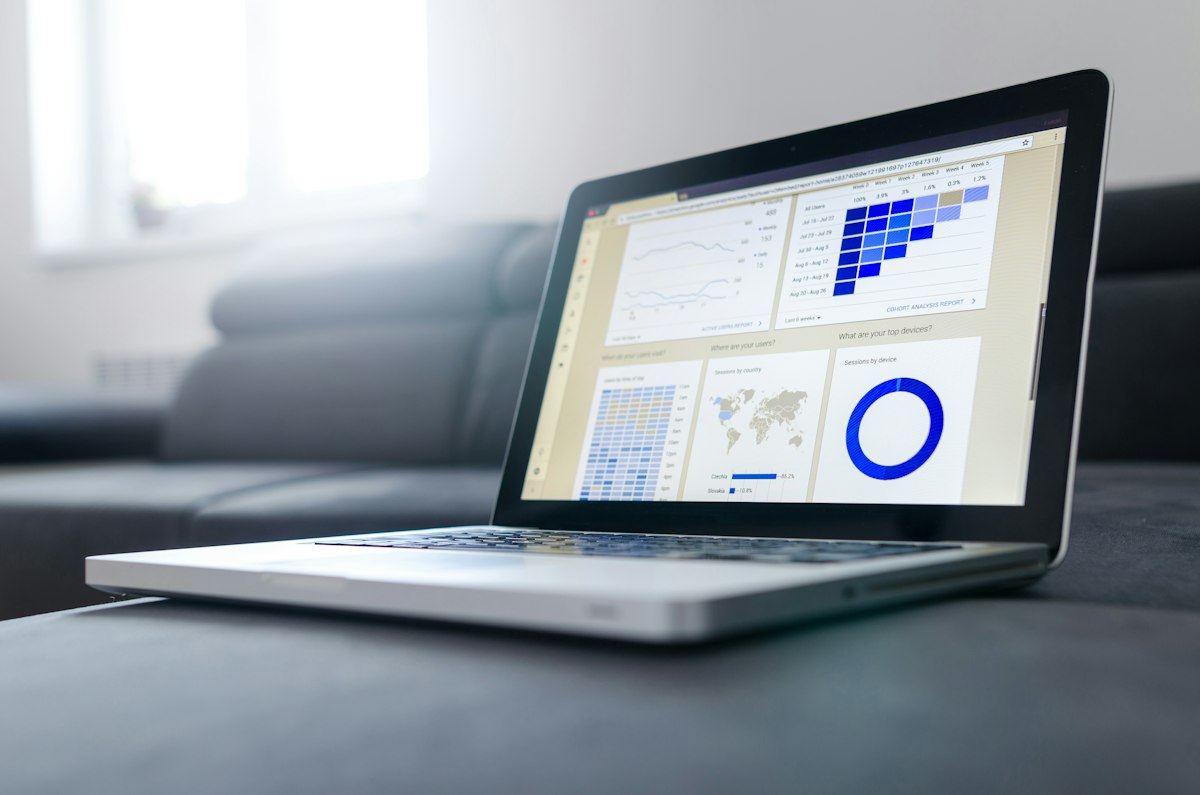
Location data in advertising refers to information about the geographical position of mobile devices, which is used by marketers to deliver targeted advertisements to consumers based on their real-world movements and behaviors. This data is a cornerstone of modern advertising strategies, enabling businesses to reach the right audience at the right time and place.
What is Location Data?
Location data encompasses various types of geographical information. At its most basic, it includes the latitude and longitude coordinates of a device. However, it can also involve more sophisticated insights such as:
- GPS Coordinates: Highly precise data from Global Positioning System (GPS) receivers in smartphones.
- Wi-Fi and Bluetooth Signals: Data derived from a device\'s connection to Wi-Fi networks or proximity to Bluetooth beacons, offering insights into indoor locations and specific points of interest.
- IP Addresses: While less precise, IP addresses can provide a general geographical area, often at the city or regional level.
- Cell Tower Triangulation: Data obtained from a device\'s connection to multiple cell towers, providing a broader location estimate.
The richness and accuracy of this data allow advertisers to move beyond broad demographic targeting to highly specific, context-aware campaigns.
How is Location Data Collected?
The collection of location data for advertising purposes primarily occurs through several channels, often with user consent, though the transparency of this consent can vary:
Mobile Applications
Many smartphone applications request access to a user\'s location services. This can be for legitimate app functionality (e.g., mapping, weather, ride-sharing) but also for advertising. When users grant permission, these apps can collect real-time or historical location data, which is then aggregated and anonymized for marketing use.
Mobile Web Browsing
Websites accessed via mobile browsers can also request location access. Furthermore, IP addresses are automatically collected, providing a less precise but still valuable geographical indicator.
Location Data Providers
Specialized companies, known as location data providers, aggregate data from various sources, including mobile apps, SDKs (Software Development Kits) embedded in apps, and other third-party data streams. They then process, clean, and package this data for advertisers and ad tech platforms.
Beacons and Geofences
- Beacons: Small, low-energy Bluetooth devices that transmit signals to nearby smartphones. When a user with a compatible app enters a beacon\'s range, their presence can be detected, triggering specific actions or advertisements.
- Geofences: Virtual boundaries drawn around specific geographical areas. When a device enters or exits a geofenced zone, it can trigger an event, such as sending a push notification or serving a targeted ad.
Why Quality Matters in Location Data
The effectiveness of location-based advertising hinges entirely on the quality of the data. High-quality location data is accurate, precise, fresh, and ethically sourced. Here\'s why these factors are crucial:
Accuracy and Precision
Accuracy refers to how close the recorded location is to the actual physical location, while precision relates to the granularity of that location (e.g., a specific store vs. a city block). Inaccurate or imprecise data can lead to:
- Wasted Ad Spend: Ads shown to irrelevant audiences or in incorrect locations.
- Poor User Experience: Consumers receiving ads that are not relevant to their current context, leading to annoyance and distrust.
- Ineffective Campaigns: Inability to measure true campaign performance or optimize for desired outcomes.
For example, a coffee shop running a geofencing campaign needs to ensure its ads are only shown to people within a few blocks of its location, not across town. High precision ensures the ad reaches potential customers who are genuinely in a position to visit.
Freshness and Recency
Location data is highly dynamic. A user\'s location changes constantly, and stale data quickly loses its value. Advertisers need access to recent data to ensure their targeting is relevant to a consumer\'s current or very recent activities. Targeting someone based on where they were last week is far less effective than targeting them based on where they are right now or where they were an hour ago.
Ethical Sourcing and Privacy Compliance
With increasing scrutiny on data privacy (e.g., GDPR, CCPA), the ethical sourcing of location data is paramount. High-quality data providers adhere to strict privacy regulations, ensuring:
- Explicit Consent: Users have clearly opted in to share their location data.
- Anonymization and Aggregation: Data is processed to remove personally identifiable information and is often aggregated to protect individual privacy.
- Transparency: Clear policies on how data is collected, used, and shared.
Brands that prioritize ethically sourced data build trust with consumers and mitigate legal and reputational risks.
Campaign Implications of Quality Location Data
The impact of high-quality location data on advertising campaigns is significant:
- Enhanced Targeting: Deliver ads to specific audiences based on their visitation patterns to competitors, complementary businesses, or event venues.
- Improved Personalization: Offer highly relevant promotions or messages based on a user\'s real-world context.
- Better Attribution: Accurately measure the effectiveness of digital ads in driving foot traffic or in-store visits.
- Optimized Ad Spend: Reduce waste by focusing on the most promising segments and locations.
- Competitive Advantage: Gain deeper insights into consumer behavior and market trends.
Consider a retail brand launching a new product. With quality location data, they can target consumers who have recently visited similar stores or attended relevant events, increasing the likelihood of engagement and conversion.
Conclusion
Location data has transformed the advertising landscape, offering unprecedented opportunities for precision targeting and personalization. However, its power is directly proportional to its quality. Advertisers must prioritize accurate, fresh, and ethically sourced location data to build effective campaigns, enhance user experience, and achieve measurable results in an increasingly competitive and privacy-conscious market.
Contact our team at Mediavision2020 for a free consultation here.