When planning large-scale event marketing campaigns, automotive advertising directors frequently debate whether to deploy location-based mobile strategies around specialized industry gatherings or massive entertainment venues. Utilizing event geofencing allows dealerships to capture captive audiences at regional conventions, but comparing the return on investment between an indoor auto show and a crowded stadium parking lot requires rigorous evaluation of consumer mindset, audience scale, and conversion efficiency.
Automotive marketing budgets must deliver measurable returns, making venue selection a critical strategic decision. While both environments concentrate thousands of mobile devices into tight geographic footprints, the underlying intent of attendees varies significantly. Understanding these behavioral differences ensures that marketing investments generate maximum showroom traffic rather than wasted impressions across unqualified consumer segments.
Evaluating Auto Show Audience Intent and Behavior
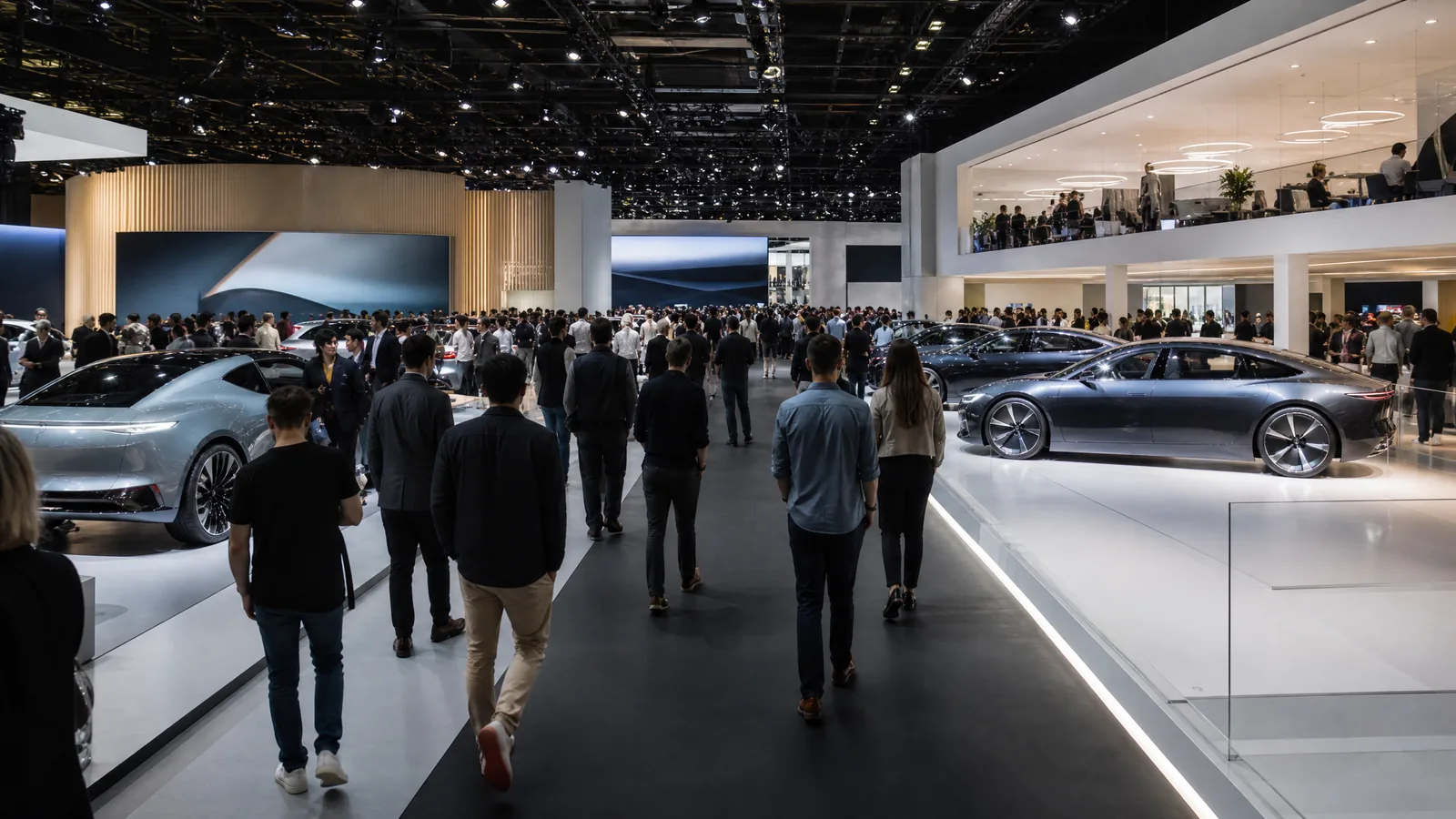
Auto shows represent prime hunting grounds for automotive sales and marketing teams. Attendees walking convention center floors are explicitly interested in new vehicle releases, cutting-edge automotive technology, and competitive comparisons. Their presence signals active consideration within the upper tiers of the automotive purchase funnel.
When applying proven geofencing methodologies to convention centers, marketers capture device IDs belonging to passionate enthusiasts and serious buyers alike. Because these individuals spend hours examining vehicle interiors and speaking with brand representatives, retargeting campaigns deployed immediately following the event achieve exceptionally high engagement rates and superior conversion metrics compared to general banner advertising.
Mass Reach vs. Precision: Analyzing Stadium Parking Lots
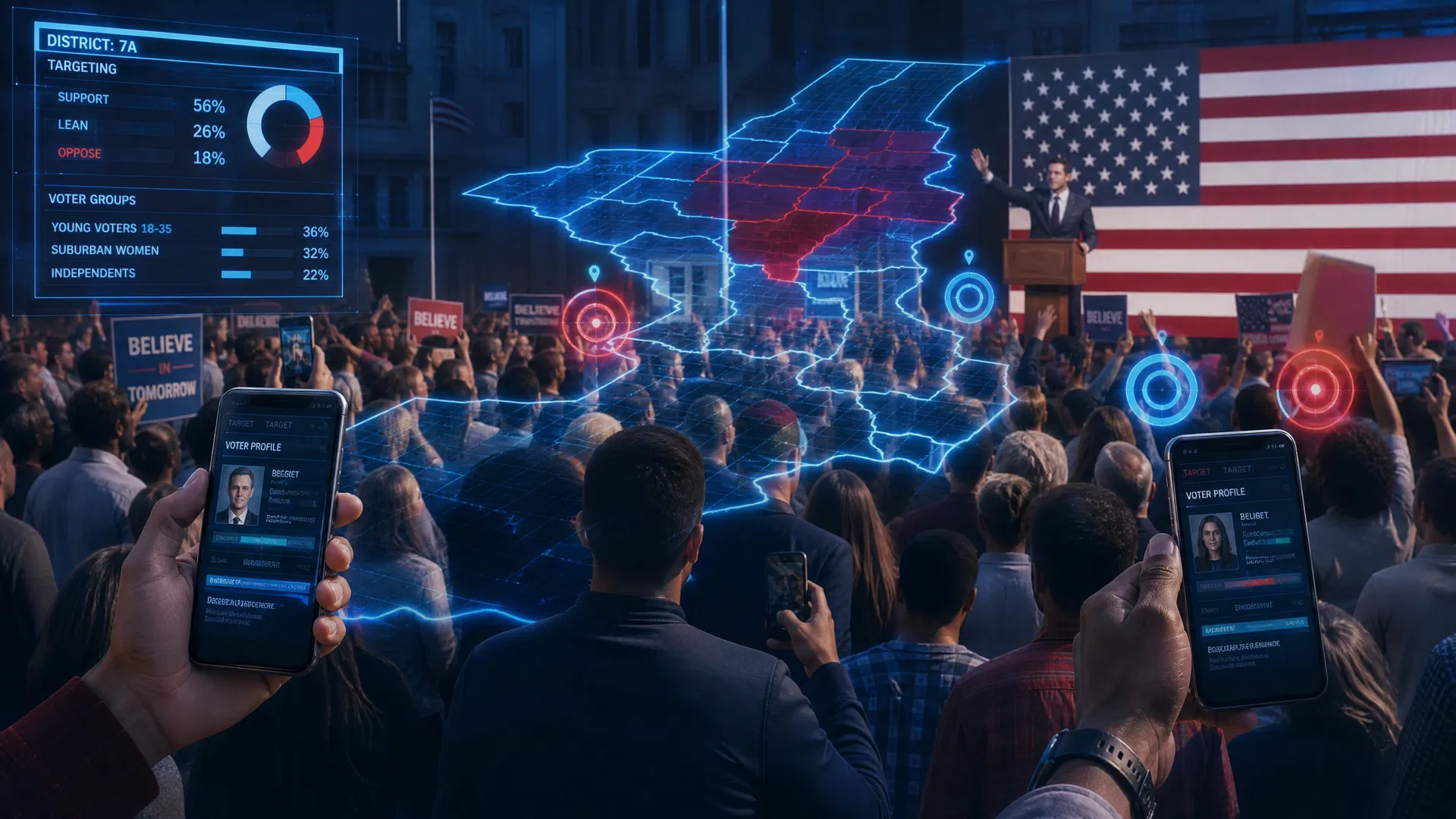
Stadium parking lots offer unparalleled volume, capturing tens of thousands of local consumers during weekend games and major concerts. However, stadium crowds represent a broad cross-section of the general population rather than active car buyers. Without advanced filtering, blanket geofencing of a sports stadium risks diluting ad spend on uninterested consumers.
To maximize efficiency in massive venues, marketers integrate addressable geofencing capabilities with demographic and household income overlays. By isolating attendees who match target buyer profiles—such as household income thresholds and vehicle ownership history—dealerships turn high-volume stadium footprints into qualified automotive prospecting pools.
Strategic Budget Allocation and Attribution Modeling
Determining the true ROI of event geofencing requires tracking the entire customer journey from initial venue capture to final showroom conversion. Advanced foot traffic attribution models link mobile ad exposure at auto shows and stadiums directly to physical visits on dealership lots weeks later.
While auto shows deliver higher conversion rates per thousand impressions due to focused buyer intent, stadium campaigns provide broader regional brand awareness when paired with sophisticated audience filtering. Balancing both tactics within an annual media plan ensures sustained showroom traffic across all seasonal cycles.
Furthermore, implementing advanced geofencing protocols allows dealership principals and general managers to analyze historical foot traffic trends, refine regional targeting parameters, and optimize advertising spend across seasonal sales peaks. By combining granular location data with robust multi-channel creative strategies, automotive retailers consistently outperform traditional broad-market advertising methods. Modern digital conquesting campaigns rely on precise spatial analytics, ensuring zero wasted impressions and maximizing return on investment across every dealership department, from new vehicle showrooms to pre-owned lots and service bays.
As consumer privacy regulations and advertising standards continue to evolve across global markets, ethical data collection practices remain paramount. Anonymized device ID mapping adheres strictly to industry compliance guidelines, protecting individual consumer identities while delivering high-performance foot traffic analytics. Dealerships partnering with experienced digital marketing agencies benefit from compliant, scalable campaigns that drive sustainable showroom traffic and long-term brand loyalty without violating regulatory frameworks or compromising consumer trust.
Additionally, integrating mobile location intelligence with customer relationship management (CRM) systems empowers sales teams to track conversion pathways from initial geofence entry to final vehicle delivery. Through robust foot-traffic attribution modeling, this seamless data synergy closes the attribution loop, providing unambiguous visibility into marketing performance and empowering dealer principals to make informed budgetary decisions. Comprehensive reporting also highlights which specific creative variants generate the highest quality showroom leads.
Ultimately, location-based mobile marketing represents an indispensable asset for forward-thinking automotive retailers. By capturing active car shoppers on competitor premises, analyzing cross-shopping behavior, and attributing physical showroom visits directly to digital ad exposure, dealerships secure a decisive competitive advantage in an increasingly crowded retail marketplace, driving sustainable sales growth and maximizing overall dealership profitability.
To maintain this competitive edge, marketing teams must continuously monitor campaign performance metrics, adjust geotargeting radiuses based on local traffic patterns, and refresh creative assets to reflect changing manufacturer incentives. Through disciplined execution and sophisticated data analytics, automotive geofencing delivers measurable, high-value returns that justify continuous investment in location-based advertising technology.
Strategic deployment of geofenced conquesting strategies also provides deep insights into regional consumer preferences, allowing dealerships to tailor their sales approach and inventory acquisition to match evolving market demands. Whether targeting auto shows, stadium parking lots, competitor showrooms, or service bays, location intelligence delivers unmatched precision and accountability across the entire automotive marketing ecosystem.
Investing in comprehensive geofencing campaigns also elevates dealership brand perception by reaching prospective buyers with highly personalized, contextually relevant messaging during critical decision windows. As digital channels continue to dominate consumer research phases, location-based advertising ensures your dealership remains top-of-mind from initial consideration to final vehicle purchase.
Maximizing dealership profitability in today's digital age requires embracing cutting-edge location intelligence solutions. By partnering with dedicated automotive marketing experts, dealerships can deploy highly targeted mobile campaigns that outmaneuver competitors, engage active buyers, and consistently drive high-margin showroom traffic across all inventory categories.
Moreover, continuous campaign optimization powered by machine learning algorithms ensures that ad delivery dynamically shifts toward high-performing geographic perimeters and consumer demographics. This agile approach guarantees sustained showroom foot traffic, increased conversion rates, and superior long-term return on advertising investment.
Ultimately, forward-looking automotive retailers who integrate geospatial intelligence into their core marketing mix establish enduring competitive moats. By turning location data into actionable insights, dealerships capture high-intent cross-shoppers, nurture existing customer relationships, and accelerate overall dealership growth for years to come.
Related Industry Pages
Ready to maximize your dealership event marketing ROI? Request a free automotive geofencing consultation with Mediavision2020 today.