The U.S. urgent care market generates approximately $38 billion in annual revenue, with over 11,000 urgent care centers nationwide. The market has grown rapidly as patients seek alternatives to expensive, time-consuming emergency room visits for non-life-threatening conditions. The average ER visit costs $2,200 and involves a 4-hour wait; the average urgent care visit costs $150–$300 and involves a 30-minute wait.
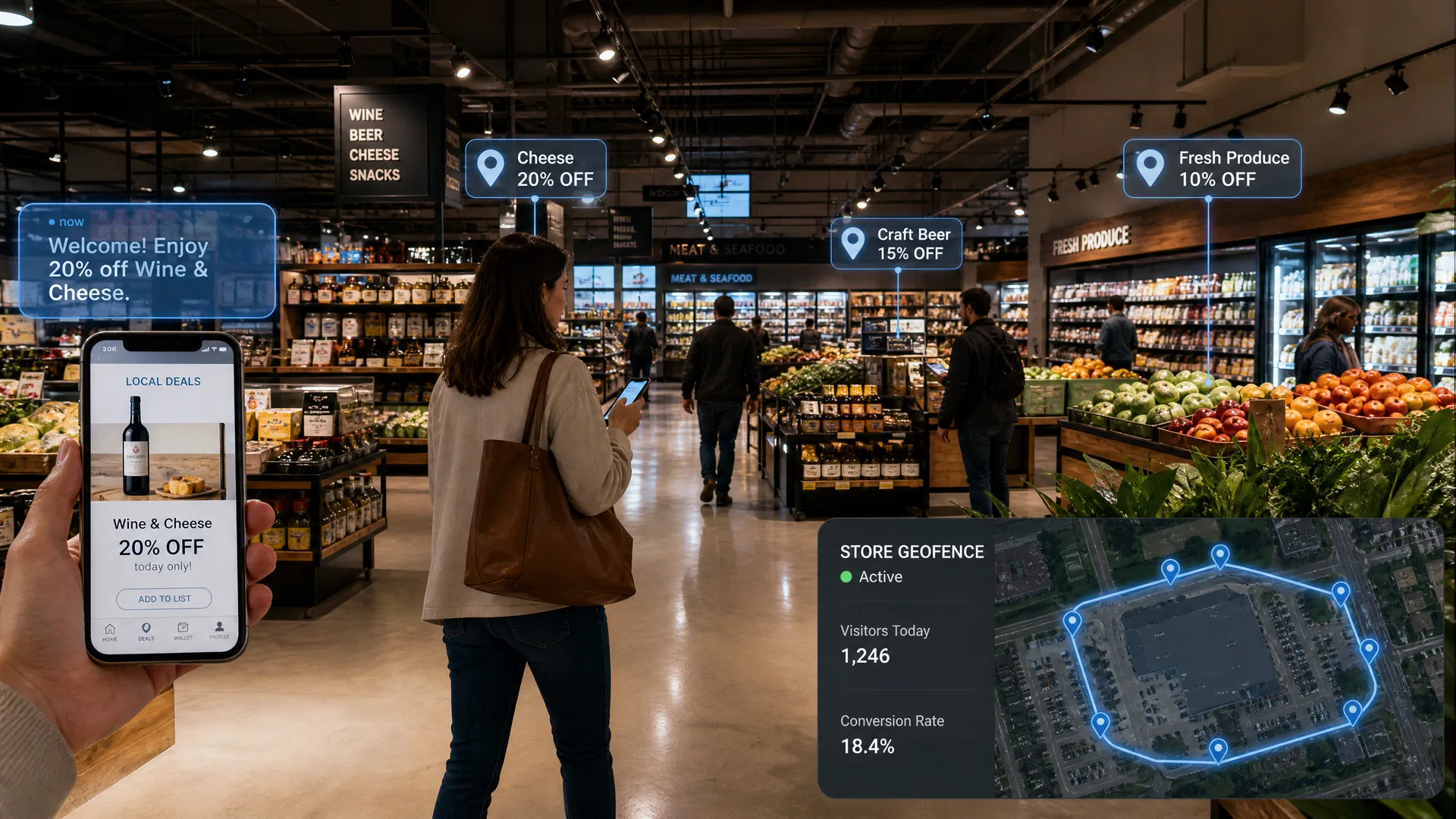
Geofencing advertising is uniquely effective for urgent care because it can target patients at the exact locations where the need for urgent care is highest: hospital emergency rooms, where patients are waiting for hours for non-emergency treatment. Reaching these patients with an ad that highlights your center's shorter wait times and lower costs can redirect the visit before the patient is triaged.
Hospital ER Targeting: The Highest-Intent Urgent Care Strategy
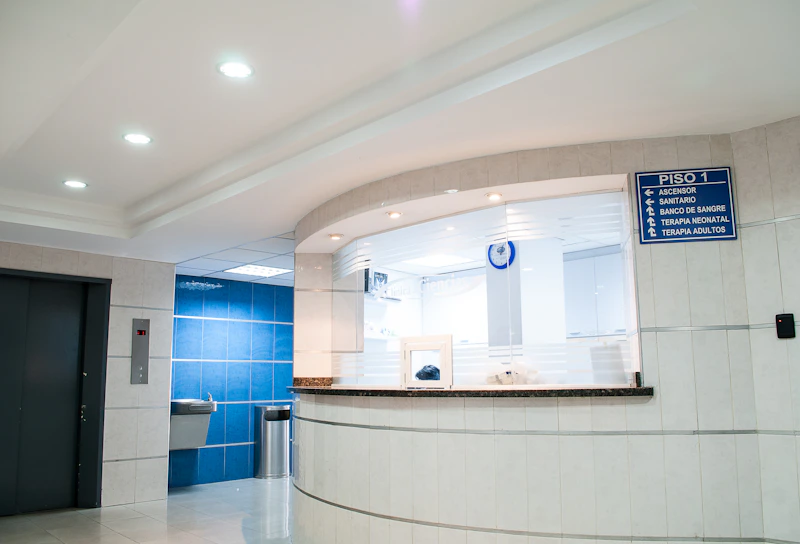
Geofencing hospital emergency room waiting areas and parking lots reaches patients who are experiencing a medical need that they believe requires immediate attention. For the majority of ER patients — those with non-life-threatening conditions like minor injuries, infections, and respiratory illness — an urgent care center is a faster, less expensive alternative.
The creative for ER targeting campaigns should be empathetic and informative: 'Shorter wait. Lower cost. Same quality care. [Urgent Care Name] is 2 miles away.' The message should not be dismissive of the patient's concern but should provide a clear, compelling reason to consider the alternative.
Primary Care Office Targeting
Primary care offices are a secondary targeting opportunity for urgent care centers. Patients who call their primary care physician for a same-day appointment and cannot get one are a highly qualified urgent care audience. Geofencing primary care offices and serving ads that highlight same-day availability reaches these patients at the moment of their unmet need.
| Urgent Care Geofencing Strategy | Target | Patient Type | Expected New Visits |
|---|---|---|---|
| Hospital ER targeting | ER waiting areas and parking lots | Non-emergency patients | 20–40 visits/month |
| Competing urgent care conquesting | Competing urgent care centers | All urgent care patients | 10–20 visits/month |
| Primary care targeting | Primary care offices | Same-day care seekers | 8–15 visits/month |
| Workplace targeting | Office parks, industrial areas | Occupational health patients | 5–10 visits/month |
For a free urgent care geofencing proposal, contact Mediavision2020 today.