The U.S. urgent care market has grown to over $26 billion annually with more than 10,000 centers competing for walk-in patients. The urgent care model — convenient, affordable, no-appointment care for non-emergency conditions — has disrupted traditional primary care and emergency medicine, but the market has become intensely competitive as major health systems, retail clinics, and independent operators all compete for the same patients.
Urgent Care Geofencing Strategies
Emergency Room Geofencing
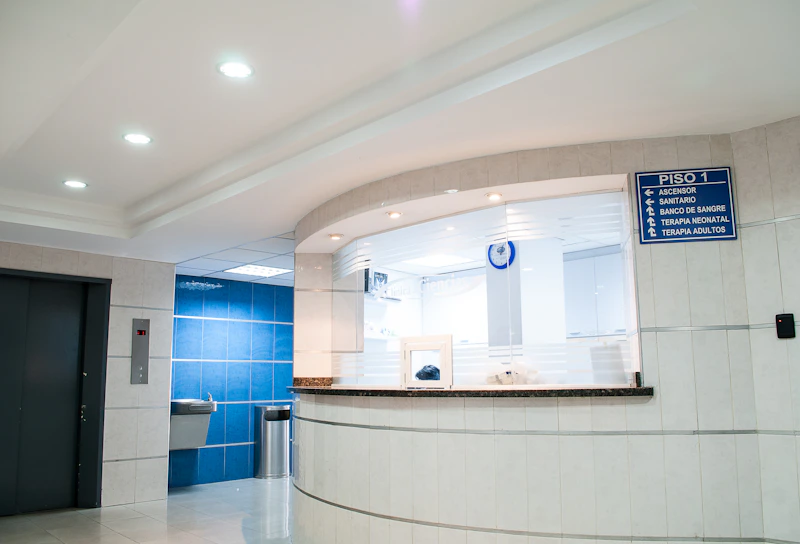
Hospital emergency rooms treat millions of patients annually for conditions that could be treated at urgent care at a fraction of the cost. Patients who visit emergency rooms for non-emergency conditions (minor injuries, infections, flu symptoms) are ideal urgent care prospects — they need urgent care, but they are using a more expensive and less convenient option. Geofencing emergency rooms and serving ads that highlight urgent care's advantages (shorter wait times, lower cost, no appointment needed) captures these patients at the moment of acute care need.
Competitor Urgent Care Geofencing
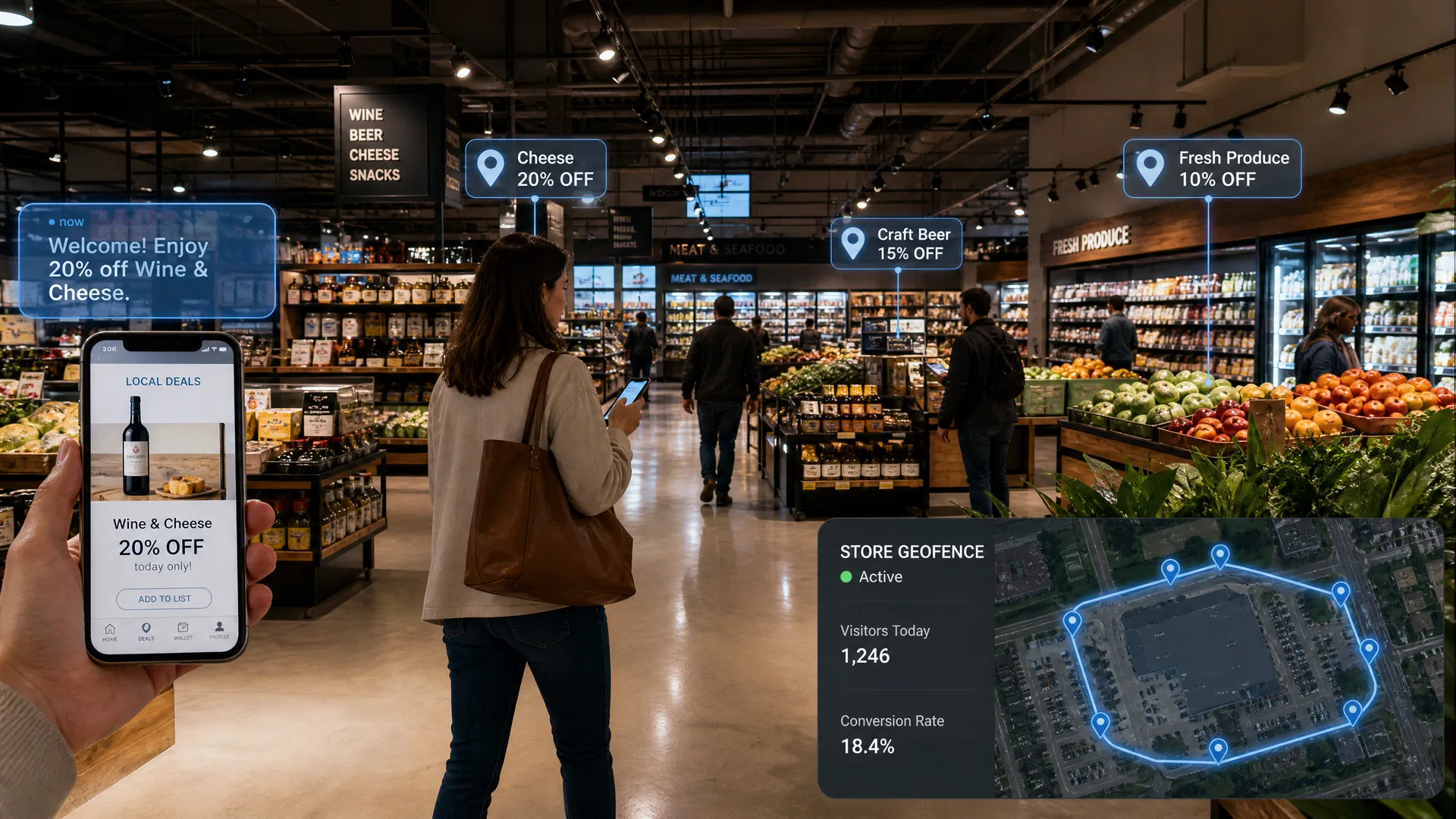
Patients who visit competitor urgent care centers are active urgent care users — they have already demonstrated a preference for urgent care over emergency rooms or primary care offices. Geofencing competitor centers and serving ads that highlight your center's advantages (shorter wait times, extended hours, specific services, insurance acceptance) captures these high-intent patients at the moment of urgent care engagement.
Employer Campus Geofencing
Employers are major consumers of occupational health and urgent care services — workers' compensation injuries, pre-employment physicals, drug testing, and occupational health screenings. Geofencing employer campuses and serving ads for your occupational health services captures HR managers and safety officers who are making occupational health vendor decisions.
Telehealth Geofencing
Telehealth providers can use geofencing to reach patients at locations where in-person care is inconvenient: airports (travelers who need care while away from home), rural areas (patients who live far from the nearest clinic), and employer campuses (employees who cannot leave work for a doctor's appointment). Telehealth ads should emphasize convenience, speed, and the ability to see a provider from anywhere.
Frequently Asked Questions
Can urgent care centers geofence primary care physician offices? Yes. Patients who visit primary care offices may have difficulty getting same-day appointments and may be receptive to urgent care as an alternative for acute conditions. Geofencing primary care offices and serving ads that highlight urgent care's same-day availability captures patients who are experiencing the limitations of appointment-based primary care.
Is urgent care geofencing HIPAA-compliant? Yes. Geofencing targets device IDs based on physical location, not health information. Targeting patients at emergency rooms or competitor urgent care centers based on their physical presence at those locations does not use PHI and is HIPAA-compliant.