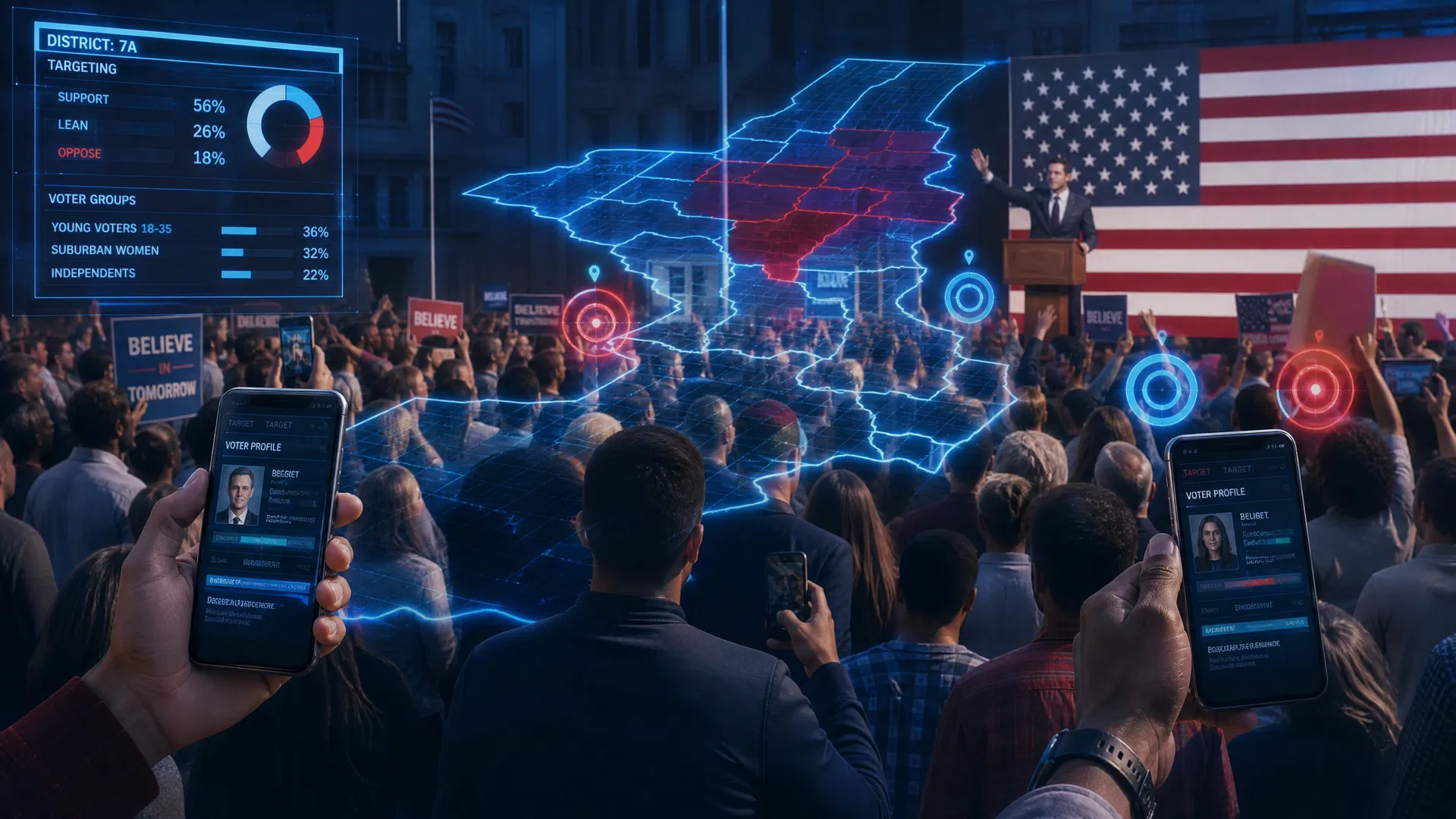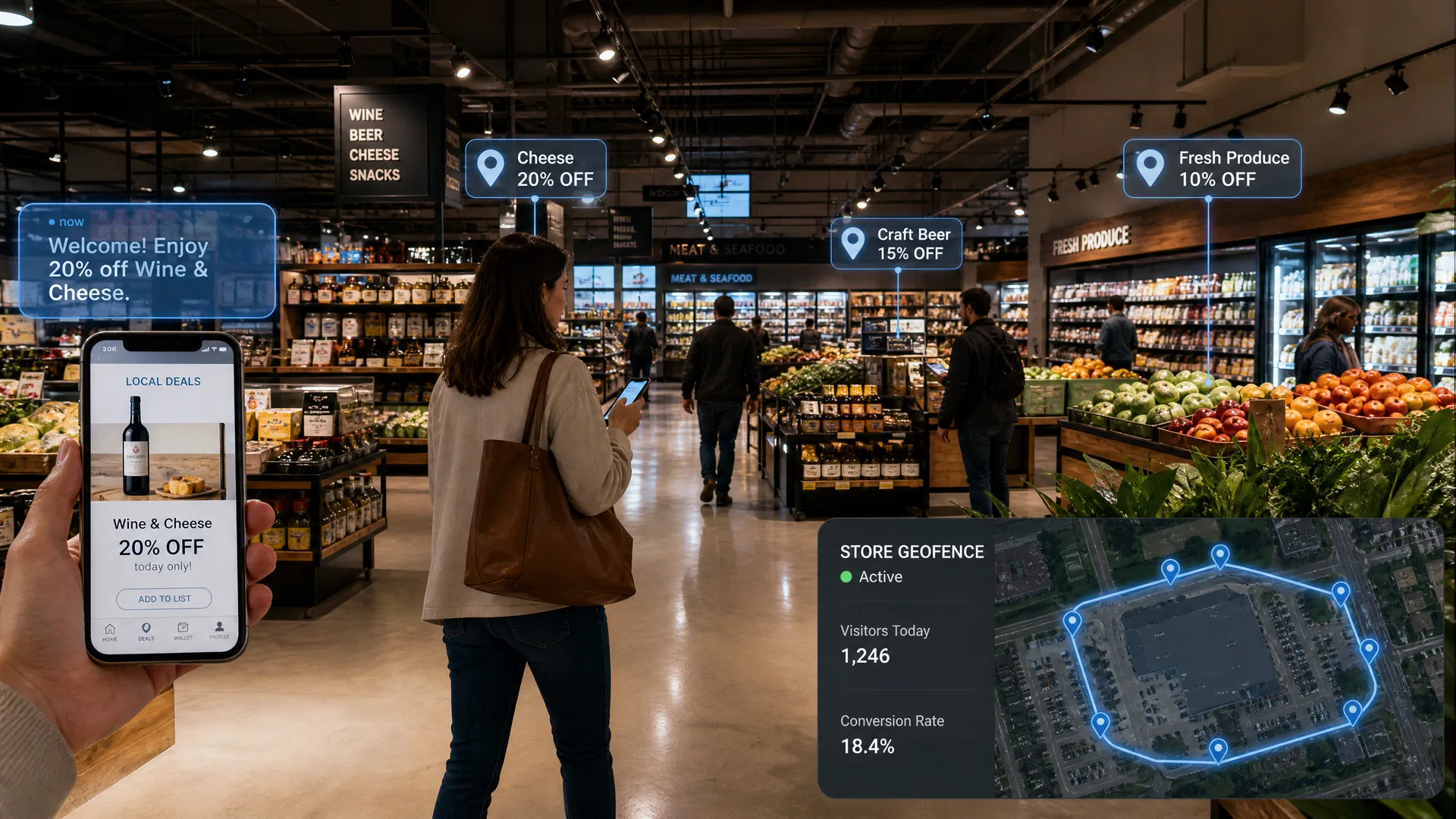
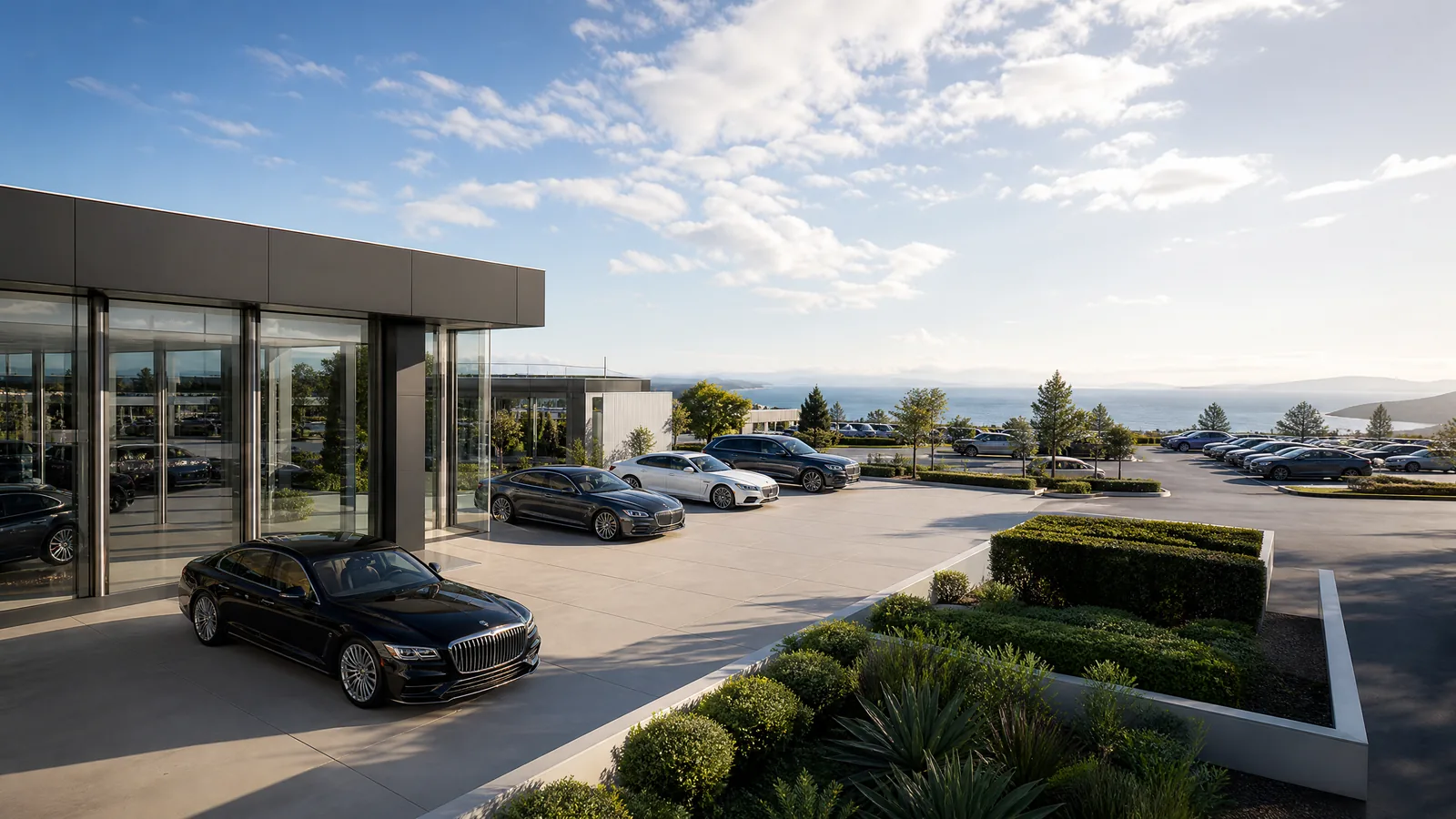
Car dealership geofencing has fundamentally transformed how modern automotive marketers approach local market share acquisition, allowing regional dealerships to engage active car shoppers right on competitor premises. When prospective buyers visit rival showrooms to inspect new inventory, compare trim levels, or negotiate pricing, location-based intelligence captures their mobile device footprints. By establishing precise virtual perimeters around competing lots, general managers can deliver compelling digital advertisements directly to these high-intent consumers.
In today's highly competitive automotive retail landscape, relying solely on broad demographic digital advertising results in substantial wasted ad spend and low conversion efficiency. Car buyers typically visit multiple physical dealerships before making a final purchasing decision, creating a unique window of opportunity for rival stores. Understanding how to intercept these shoppers through advanced competitor geofencing strategies provides an unfair competitive advantage, converting rival lot traffic into valuable showroom visits and closed vehicle sales.
The Mechanics of Competitor Lot Conquesting
Executing a successful conquesting campaign requires surgical precision in defining geofence boundaries. Unlike broad radius targeting that covers entire zip codes or metropolitan sectors, lot-level geofencing isolates the exact physical footprint of a competing dealership. When a consumer’s mobile device enters this defined perimeter, the device ID is logged into an audience segment for subsequent multi-channel retargeting.
To ensure marketing campaigns operate with maximum efficacy, digital strategists pair location tracking with comprehensive geofencing fundamentals, filtering out dealership employees, delivery personnel, and casual passersby through advanced dwell-time algorithms. This rigorous filtering guarantees that advertising budgets are spent exclusively on genuine automotive prospects who spent sufficient time evaluating vehicles on competitor lots. Furthermore, data cleaning protocols verify device authenticity to prevent fraud and ensure pristine audience quality.
Delivering Relevant Creative Across the Consideration Cycle
Capturing a device ID on a rival lot is only the foundational step; sustaining consumer engagement requires tailored, highly relevant ad creative. Consumers leaving a competitor dealership are actively comparing pricing, financing incentives, and warranty packages. Utilizing addressable geofencing allows dealerships to extend household-level digital reach, pairing mobile display ads with connected television commercials that reinforce dealership differentiators.
Messaging must address common consumer pain points observed throughout the car-buying journey. Highlighting transparent pricing, superior warranty coverage, or a larger pre-owned inventory selection encourages shoppers to reconsider their options and schedule a test drive at your showroom before signing elsewhere.
Measuring Showroom Lift and Attribution
Accountability is paramount for general managers and dealer principals investing in digital marketing budgets. Traditional advertising channels historically struggled to connect digital impressions with physical showroom floor traffic. Modern location analytics bridges this critical gap by tracking foot traffic attribution.
By measuring the exact percentage of targeted competitor visitors who subsequently cross your dealership geofence, marketing analytics platforms provide clear return on investment data. This transparency ensures continuous campaign optimization and justifiable ad spend allocation across all vehicle segments.
Furthermore, implementing advanced geofencing protocols allows dealership principals and general managers to analyze historical foot traffic trends, refine regional targeting parameters, and optimize advertising spend across seasonal sales peaks. By combining granular location data with robust multi-channel creative strategies, automotive retailers consistently outperform traditional broad-market advertising methods. Modern digital conquesting campaigns rely on precise spatial analytics, ensuring zero wasted impressions and maximizing return on investment across every dealership department, from new vehicle showrooms to pre-owned lots and service bays.
As consumer privacy regulations and advertising standards continue to evolve across global markets, ethical data collection practices remain paramount. Anonymized device ID mapping adheres strictly to industry compliance guidelines, protecting individual consumer identities while delivering high-performance foot traffic analytics. Dealerships partnering with experienced digital marketing agencies benefit from compliant, scalable campaigns that drive sustainable showroom traffic and long-term brand loyalty without violating regulatory frameworks or compromising consumer trust.
Additionally, integrating mobile location intelligence with customer relationship management (CRM) systems empowers sales teams to track conversion pathways from initial geofence entry to final vehicle delivery. Through robust foot-traffic attribution modeling, this seamless data synergy closes the attribution loop, providing unambiguous visibility into marketing performance and empowering dealer principals to make informed budgetary decisions. Comprehensive reporting also highlights which specific creative variants generate the highest quality showroom leads.
Ultimately, location-based mobile marketing represents an indispensable asset for forward-thinking automotive retailers. By capturing active car shoppers on competitor premises, analyzing cross-shopping behavior, and attributing physical showroom visits directly to digital ad exposure, dealerships secure a decisive competitive advantage in an increasingly crowded retail marketplace, driving sustainable sales growth and maximizing overall dealership profitability.
To maintain this competitive edge, marketing teams must continuously monitor campaign performance metrics, adjust geotargeting radiuses based on local traffic patterns, and refresh creative assets to reflect changing manufacturer incentives. Through disciplined execution and sophisticated data analytics, automotive geofencing delivers measurable, high-value returns that justify continuous investment in location-based advertising technology.
Strategic deployment of geofenced conquesting strategies also provides deep insights into regional consumer preferences, allowing dealerships to tailor their sales approach and inventory acquisition to match evolving market demands. Whether targeting auto shows, stadium parking lots, competitor showrooms, or service bays, location intelligence delivers unmatched precision and accountability across the entire automotive marketing ecosystem.
Investing in comprehensive geofencing campaigns also elevates dealership brand perception by reaching prospective buyers with highly personalized, contextually relevant messaging during critical decision windows. As digital channels continue to dominate consumer research phases, location-based advertising ensures your dealership remains top-of-mind from initial consideration to final vehicle purchase.
Maximizing dealership profitability in today's digital age requires embracing cutting-edge location intelligence solutions. By partnering with dedicated automotive marketing experts, dealerships can deploy highly targeted mobile campaigns that outmaneuver competitors, engage active buyers, and consistently drive high-margin showroom traffic across all inventory categories.
Moreover, continuous campaign optimization powered by machine learning algorithms ensures that ad delivery dynamically shifts toward high-performing geographic perimeters and consumer demographics. This agile approach guarantees sustained showroom foot traffic, increased conversion rates, and superior long-term return on advertising investment.
Ultimately, forward-looking automotive retailers who integrate geospatial intelligence into their core marketing mix establish enduring competitive moats. By turning location data into actionable insights, dealerships capture high-intent cross-shoppers, nurture existing customer relationships, and accelerate overall dealership growth for years to come.
Related Industry Pages
Ready to capture competitor lot traffic and accelerate your showroom sales? Request a free car dealership geofencing strategy session with Mediavision2020 today.