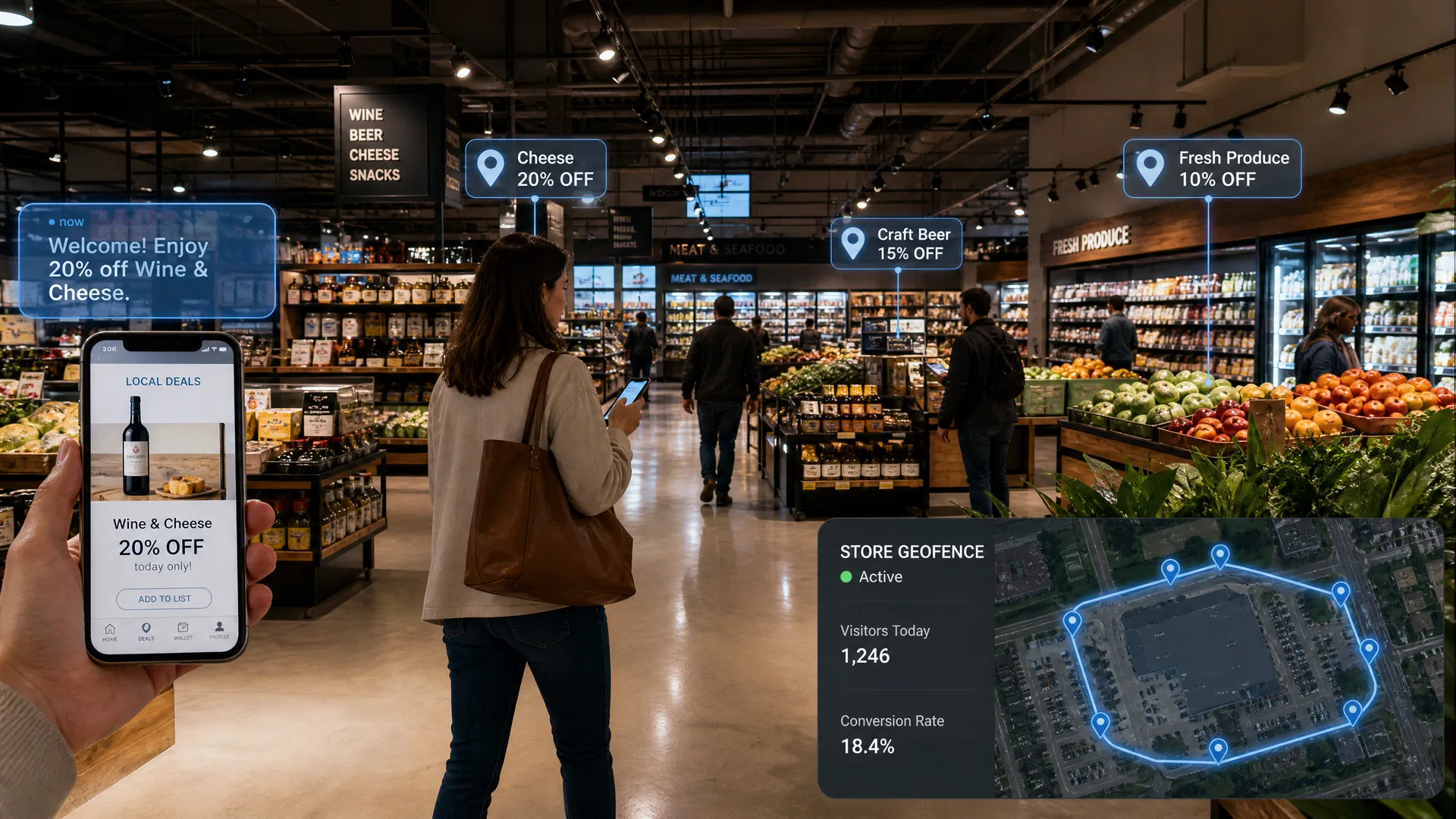

As talent acquisition budgets face increasing corporate scrutiny, human resources leaders continually evaluate whether emerging channels like recruiting geofencing outperform legacy platforms such as Indeed and LinkedIn. While major digital job boards remain staples of modern recruitment operations, saturated candidate pools, escalating cost-per-click auctions, and high applicant drop-off rates have driven organizations to seek higher-intent, hyper-targeted alternatives that deliver superior return on investment across every hiring vertical and operational department. Understanding the fundamental structural differences between digital keyword auctions and real-world location telemetry is critical for modern HR executives aiming to optimize recruitment marketing expenditure and drive sustainable hiring velocity.
Traditional job boards rely heavily on keyword searches and digital intent expressed on career aggregation sites. However, top-tier talent is frequently passive—fully employed, performing well in their current roles, and not actively browsing job boards during or after work hours. Geofence recruiting bridges this critical gap by reaching qualified professionals based on their real-world movements, physical presence, and daily professional routines without requiring them to visit a job board. By intercepting candidate attention during commutes, breaks, and industry events, location-based advertising establishes a direct pipeline to high-caliber talent that remains completely invisible to conventional recruitment platforms.
Evaluating Cost Efficiency and Candidate Quality
When comparing advertising channels, cost-per-hire and candidate relevance are decisive performance metrics. On platforms like LinkedIn, bidding wars for specialized engineering, executive, or healthcare titles can inflate marketing budgets rapidly while yielding low conversion rates. Conversely, utilizing competitor geofencing allows organizations to reach qualified personnel directly near competing industrial or corporate facilities at a fraction of the wasted programmatic spend.
When analyzing recruitment budgets, human resources executives must weigh the cost-per-click of digital job boards against the precision of physical location targeting. Traditional job boards often generate high volumes of unqualified traffic, resulting in wasted ad spend and extensive administrative overhead spent screening mismatched applicants. By contrast, programmatic location-based advertising ensures that marketing dollars are spent exclusively on verified mobile devices moving through designated high-value perimeters, dramatically increasing conversion efficiency.
Furthermore, integrating foot traffic attribution allows HR analytics teams to track exact conversion metrics, observing how mobile ad exposure translates into completed job applications, preliminary interviews, and physical facility visits across regional operational territories. This closed-loop visibility ensures complete fiscal accountability across every campaign.
Granular Targeting vs. Broad Keyword Bidding
One of the primary structural limitations of traditional job boards is the reliance on broad keyword bidding. When multiple employers bid on identical search terms such as 'software engineer' or 'administrative assistant,' ad costs spiral upward while relevancy diminishes due to unqualified applicants flooding the funnel. In contrast, geofencing relies on physical reality—individuals whose actual daily movements place them inside relevant geographic perimeters.
By bypassing crowded digital auction houses, recruitment geofencing ensures that advertising expenditures target verified professionals in relevant physical contexts, resulting in higher application completion rates and superior candidate quality across every recruitment campaign.
Additionally, programmatic geofencing allows talent acquisition teams to layer demographic and behavioral filters over location data, ensuring ads reach professionals with specific certifications or years of experience without violating privacy protocols or inflating media costs.
Strategic Integration with Digital Channels
Geofencing does not operate in a vacuum; it significantly enhances existing recruitment funnels by capturing upper-funnel brand awareness before candidates ever reach traditional application portals. Layering addressable geofencing ensures that once a mobile device is identified within a target zone, follow-up recruitment messaging reaches the candidate's residential address across multiple household devices.
This multi-channel synchronization reinforces employer branding and increases applicant conversion rates significantly compared to standalone job board listings. Candidates who encounter consistent messaging across both physical locations and residential devices demonstrate higher trust and engagement.
Blending location intelligence with programmatic display and social advertising creates a cohesive candidate journey that drives consistent inbound talent flow, bridging the gap between passive awareness and active application submission.
Analyzing Long-Term Return on Investment
When evaluating recruitment channel performance, talent leaders must examine long-term retention alongside initial application volume. Candidates sourced through targeted location intelligence frequently demonstrate higher engagement and longer tenure because they were reached during relevant professional routines rather than random web browsing.
By optimizing ad spend across high-performing geographic perimeters, enterprises achieve sustainable reductions in overall cost-per-hire metrics while simultaneously elevating the caliber of incoming applicant cohorts.
Comparing these metrics against legacy job board expenditures consistently demonstrates the superior efficiency of localized programmatic campaigns across regional markets and competitive employment verticals.
Future-Proofing Workforce Acquisition Models
As digital privacy standards evolve and traditional cookie-based tracking diminishes, location-based intelligence powered by consented mobile advertising IDs provides a durable, compliant foundation for enterprise talent acquisition. Adopting these advanced methodologies today positions organizations to capture exceptional talent ahead of competitors.
Embracing programmatic geofencing alongside traditional recruitment channels creates a diversified, highly resilient talent pipeline capable of navigating shifting labor market dynamics successfully. Organizations that proactively integrate these advanced tactics consistently outperform peers in talent retention and recruitment velocity.
Continuous optimization of location telemetry and ad creative ensures long-term hiring superiority across all competitive operational markets, securing organizational growth through precision-targeted workforce acquisition.
Related Industry Pages
Getting Started with Compliant Hiring Campaigns
Building an effective, modern talent acquisition funnel requires robust technical execution, sophisticated location intelligence, and strict adherence to legal standards. By partnering with experienced geofencing specialists, HR leaders can deploy targeted campaigns that respect candidate privacy while filling vital organizational roles with exceptional speed and precision. Explore our recruiting geofencing, competitor geofencing, and addressable geofencing solutions. To learn more about structuring your custom talent acquisition campaign, please request a free employee recruiting strategy quote today.