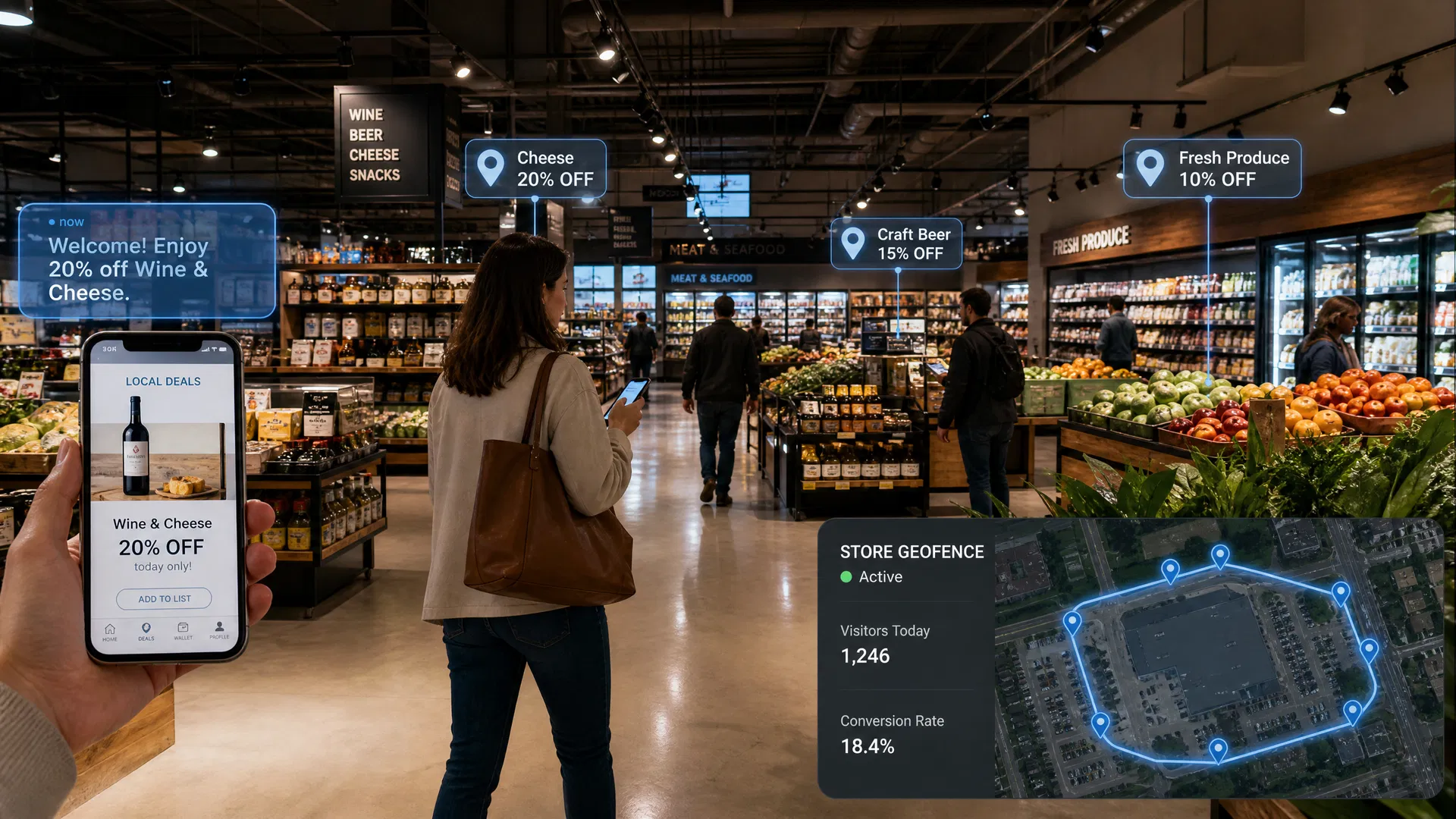

Bridal expo advertising can help businesses participate in the wedding-planning conversation through broad contextual placements, sponsorships, exhibitor outreach, and local partnerships. This article focuses on outreach tied to the event setting and wedding-planning content—not on building audiences from expo attendees or using health-related interest signals.
Wedding shows bring together vendors, publications, planners, and engaged couples around a shared planning topic. Businesses can use that context to introduce their brand, support event resources, and coordinate with approved partners without treating a person's attendance as a signal about their health, appearance, or care decisions.
Contextual Options for Bridal Expo Outreach
Venue-approved sponsorships, exhibitor directories, event-program advertising, and wedding-planning publisher placements can put a business alongside relevant event content. These options are selected for the setting, publication, or sponsorship opportunity rather than for an attendee-level audience.
Local wedding planners, venues, photographers, caterers, and other vendors may also offer professional-network opportunities that help businesses share general information with people planning an event. Any collaboration should use clear roles, appropriate approvals, and messaging that accurately reflects the business's offering.
Four Practical Planning Principles
1. Use the Event Context, Not Attendee Identifiers
Plan around the event schedule, exhibitor materials, sponsorship inventory, and wedding-planning editorial context. Do not collect or reuse bridal-expo attendee device identifiers to create advertising audiences.
2. Build Venue-Approved and Professional Partnerships
Coordinate with organizers, publishers, and local wedding professionals on approved sponsorships, resource guides, or exhibitor communications. A clear partnership plan helps keep the campaign focused on the event and the business's general message.
3. Keep Creative General and Event-Relevant
Creative can introduce a business, explain a general service, or point readers to event information and useful planning resources. It should not imply knowledge of an individual's health, appearance concerns, procedures, consultations, or care timeline.
4. Use Appropriate Measurement
Review placement delivery, aggregate site engagement, and direct campaign responses that fit the stated objective. Do not link advertising exposure to medical consultations, procedures, treatment series, or health-service conversion zones.
Considerations for Health-Related Advertising
Health-related businesses should keep event messaging general and avoid using bridal-event participation to create or expand audiences based on care, procedures, consultations, or clinical status. Before activation, review the data involved, vendor roles, permissions, applicable state law, and platform rules for the specific campaign. Mediavision2020 does not certify legal compliance.
Maintaining a Useful Wedding-Planning Presence
A consistent presence can come from recurring sponsorship opportunities, helpful event resources, and relationships with organizers and wedding professionals. Focus campaign planning on the audience-facing context and the quality of the information offered, rather than on retaining or repurposing information about individual attendees.
Related Industry Pages
Getting Started with Bridal Event Outreach
For campaign planning focused on contextual placements, sponsorship opportunities, and professional outreach around wedding events, contact our team to request a proposal.