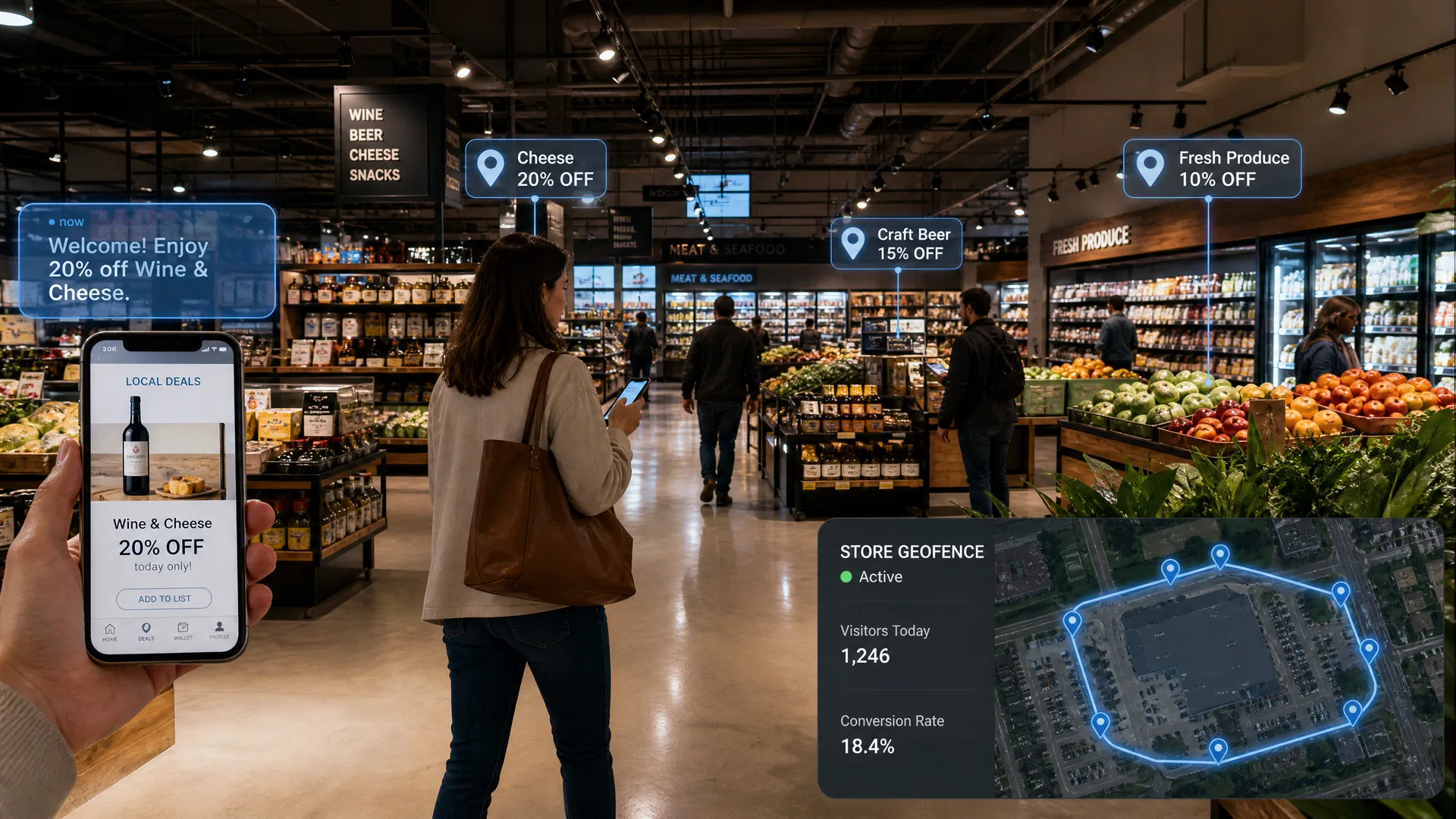

When marketers first encounter geofencing technology, they immediately associate it with retail applications—sending coupons to shoppers walking past a storefront or driving immediate foot traffic into a car dealership. However, applying location intelligence to B2B software demand generation requires a fundamentally different strategic mindset. Demand generation geofencing treats physical location footprints not as point-of-sale triggers, but as top-of-funnel engagement signals within extended enterprise sales cycles.
Understanding foot traffic attribution models in a B2B context requires tracking how physical visits to industry conferences, corporate headquarters, and innovation labs translate into digital website traffic, whitepaper downloads, and eventual software demo requests.
Translating Foot Traffic Metrics into B2B Pipeline
In retail, success is measured by same-day store visits and immediate point-of-purchase transactions. In enterprise software, sales cycles routinely span three to twelve months, involving committee evaluations and security reviews. Consequently, geofenced demand generation campaigns measure success through multi-touch attribution metrics connected to CRM pipeline creation.
When combined with lead generation geofencing strategies, tech marketers use physical location data to identify accounts entering market research phases, nurturing them continuously across digital channels.
Measuring Long-Term Attribution Windows
Because software purchases take time, attribution windows must be configured to capture delayed conversions. A developer or IT director visiting a geofenced tech hub today may not authorize a software purchase for six months. Robust location analytics platforms track these long-term attribution paths seamlessly.
For a fuller campaign strategy, explore what geofencing advertising can do, then adapt the tactic to your market and approved audience strategy.
Related Industry Pages
Optimizing Software Demand Generation
Revolutionize your B2B demand generation strategy by integrating advanced location intelligence and multi-touch attribution. To explore custom geofencing solutions for your software brand, request a free technology geofencing strategy session with our team today.