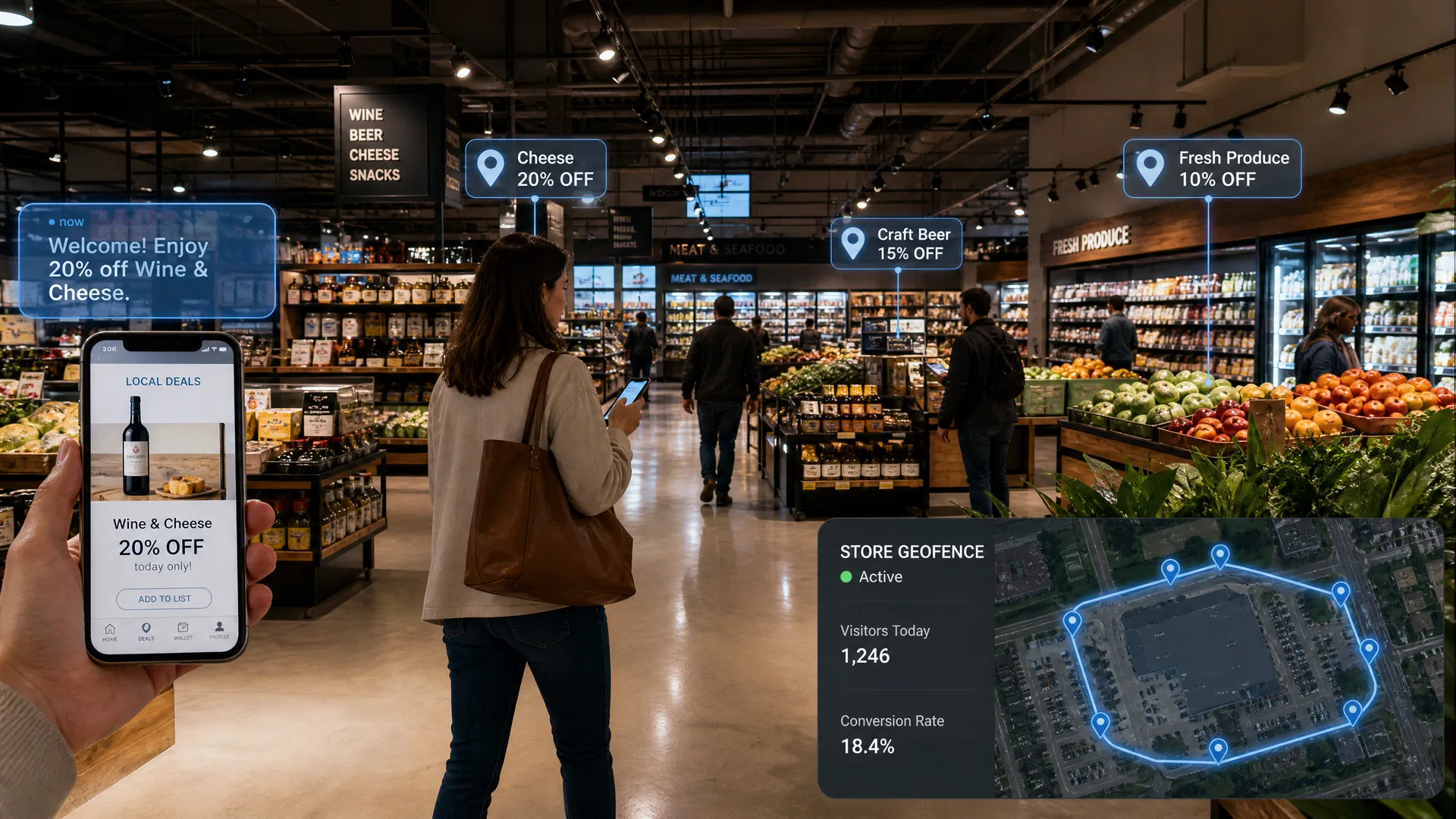

Choosing the right ad tech partner is one of the most critical operational decisions advertising agency executives will make. When evaluating geofencing vendors, agency media buyers must look beyond polished sales presentations and interrogate the underlying technical infrastructure. With clients demanding pristine campaign transparency and verifiable foot traffic attribution, partnering with a substandard geofencing provider can severely damage an agency's reputation and client retention rates.
To protect client budgets and ensure superior campaign performance, agency principals need a rigorous due diligence framework. Asking the right technical and financial questions before signing a contract separates enterprise-grade partners from unreliable middlemen. Let us examine the essential questions every advertising agency must ask their prospective geofencing technology provider to ensure long-term success, operational alignment, and maximum campaign profitability in an increasingly complex digital ecosystem.
Evaluating wholesale ad tech partners also requires examining their customer support infrastructure, account management dedication, and platform onboarding speed. Agencies operating on tight deadlines cannot afford to wait days for technical support or polygon adjustments when launching time-sensitive client campaigns. Premium vendors provide dedicated agency support teams and intuitive self-serve mapping interfaces that streamline operations across all account tiers and geographic markets without friction.
1. What Is Your Primary Source of Location Data?
The foundation of any geofencing campaign is the absolute quality of its underlying location data. Agencies must ask vendors whether their location pings are derived from deterministic software development kits (SDKs) embedded in popular mobile applications or probabilistic IP address estimation. Deterministic SDK data provides precise physical coordinates accurate to within a few meters, whereas IP-based targeting often results in massive geographic drift and wasted ad impressions.
Furthermore, inquire about sample size and device graph breadth across target markets. A robust platform should access millions of active opted-in devices daily across the target geographic area to ensure sufficient impression volume for local and national businesses alike. Understanding data provenance protects your agency from investing in flawed location feeds that fail to deliver real-world foot traffic results.
Vendors should be able to explain their data supply chain transparently, detailing how mobile publisher partnerships ensure high consent rates and precise latitude-longitude coordinate captures without relying on outdated triangulation methods.
2. How Do You Handle Ad Fraud and Bot Traffic?
Mobile ad fraud remains a persistent threat across programmatic channels. Agencies must demand transparency regarding how geofencing vendors filter out invalid traffic (IVT) and sophisticated bot activity. Leading platforms integrate third-party verification tools such as IAS or DoubleVerify to ensure that ads served inside defined geofences are viewed by genuine human consumers.
When executing competitor geofencing campaigns, eliminating bot traffic is doubly important because competitor footprints represent high-value audiences where targeting precision is paramount for success. Guarding against click farms and emulated device signals preserves client trust and advertising efficiency.
Ad fraud prevention must operate in real-time, blocking fraudulent bidding requests before ad spend is committed across programmatic exchanges.
3. What Are the Pricing Structures and Minimum Commitments?
Financial alignment between the agency and the ad tech vendor is crucial for long-term profitability. Agencies should clarify whether pricing is based on a wholesale cost-per-mille (CPM) model or flat platform licensing fees. Be vigilant about hidden costs, such as extra charges for custom polygon mapping, data export fees, or advanced reporting modules.
Additionally, evaluate contract flexibility. If a client scales down their ad spend during a seasonal dip, will the vendor penalize the agency with exorbitant minimum spend penalties? Negotiating flexible scaling terms protects agency profit margins and ensures long-term operational viability.
Agencies must ensure that their wholesale contracts allow for seamless scaling across diverse client portfolios without locking them into rigid, unyielding commitments that stifle growth.
4. What Level of Attribution and Reporting Transparency Is Provided?
Clients expect definitive proof that their ad dollars generated tangible business outcomes. Agencies should review sample reporting dashboards to verify whether data is presented clearly. Vendors should offer advanced foot traffic attribution analytics that track incremental store visits, dwell time, and return visits over time.
For specialized campaigns such as event geofencing activations, real-time reporting is essential to monitor pacing and impression delivery during live conferences or sports tournaments, allowing account managers to optimize campaigns dynamically.
Robust reporting bridges the gap between raw programmatic metrics and executive-level business intelligence, ensuring client satisfaction and long-term retainer renewals.
5. How Do You Ensure Privacy Compliance and Data Security?
Data privacy regulations are increasingly stringent across global markets. Agencies must ensure that vendor partners adhere strictly to CCPA, GDPR, and mobile industry privacy standards. Ask whether location data is fully anonymized at the point of collection and whether consumers have clear opt-in mechanisms.
Ensuring absolute compliance shields both the agency and its enterprise brand clients from costly regulatory penalties and reputational damage.
Related Industry Pages
Securing Your Agency's Ad Tech Stack
Rigorous vendor evaluation protects your agency's bottom line and elevates your standing with enterprise clients. By asking probing questions about data quality, fraud prevention, and pricing flexibility, your media team can forge bulletproof partnerships that drive consistent results. To explore how Mediavision2020 supports agency partners with transparent, enterprise-grade infrastructure, request a free agency geofencing strategy session with our team today.