
Facebook Ads and geofencing are both location-capable advertising channels, but they use fundamentally different targeting methodologies — and the difference matters enormously for local advertisers. Understanding when each channel's targeting approach is the right tool for your goal is the key to efficient local advertising.
How Facebook Location Targeting Works
Facebook's location targeting allows advertisers to target users within a radius of a specific address, city, or zip code. The minimum radius is 1 mile for most targeting options. Facebook also offers demographic, interest, and behavioral targeting that can be layered on top of location targeting — allowing advertisers to reach, for example, women aged 25–45 who are interested in fitness and live within 5 miles of a specific gym.
The limitation of Facebook location targeting is its precision. A 1-mile radius around a competitor gym will include hundreds of thousands of people, most of whom have never visited that gym and have no current intent to join a gym. Facebook's interest and behavioral targeting can narrow this audience, but it cannot replicate the precision of geofencing — which targets only people who have physically been at a specific location.
How Geofencing Location Targeting Works
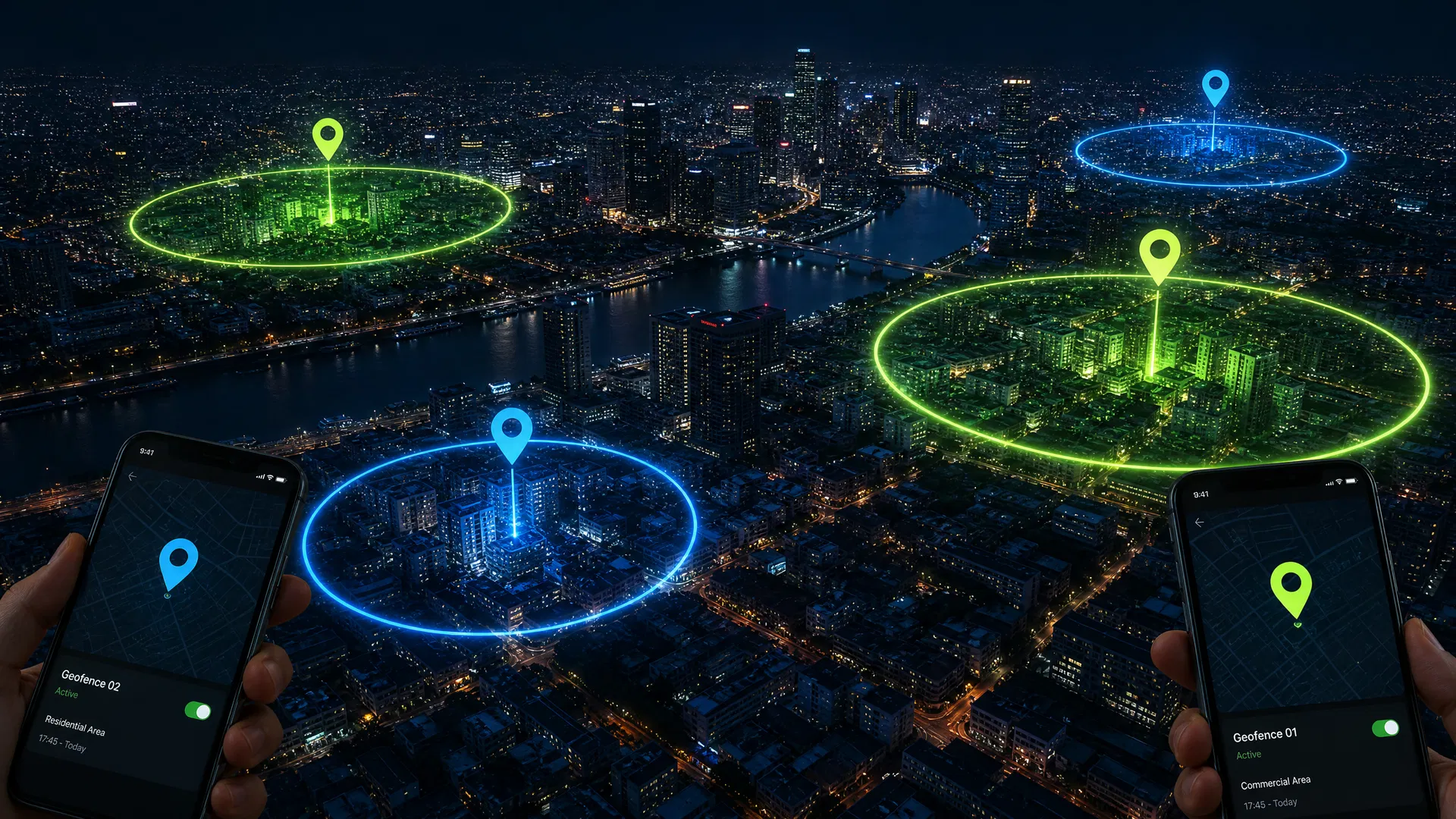
Geofencing targets devices based on their physical GPS location — specifically, devices that have been detected within a defined geographic boundary (the geofence). This means that a geofencing audience of 'people who visited competitor Gym X in the past 30 days' contains only people who have actually been to that gym — not people who live nearby or are interested in fitness in general.
This physical presence signal is a significantly stronger indicator of purchase intent than demographic or interest data. Someone who has physically visited a competitor gym is demonstrably in the market for gym membership — they are actively evaluating their options, not just theoretically interested in fitness.
Performance Comparison
In head-to-head comparisons for local campaigns, geofencing typically delivers higher CTRs (0.8–1.5% vs. Facebook's 0.5–0.9% for display) and lower cost per qualified lead because the audience is more precisely defined by physical behavior. However, Facebook's reach advantage is significant — Facebook can reach a much larger audience at lower CPMs, making it more efficient for broad awareness campaigns.
Frequently Asked Questions
Can I use Facebook Ads and geofencing together? Yes, and this is the recommended approach for most local advertisers. Use Facebook for broad demographic awareness (reaching your target demographic in your service area) and geofencing for high-intent location-based targeting (reaching people at competitor locations, relevant retail environments, and key venues). The two channels complement each other across the purchase funnel.
Which channel is better for a restaurant? Geofencing typically delivers better ROI for restaurants because it can target people at competitor restaurants and nearby offices during lunch hours — a much more precise audience than Facebook's radius-based location targeting.