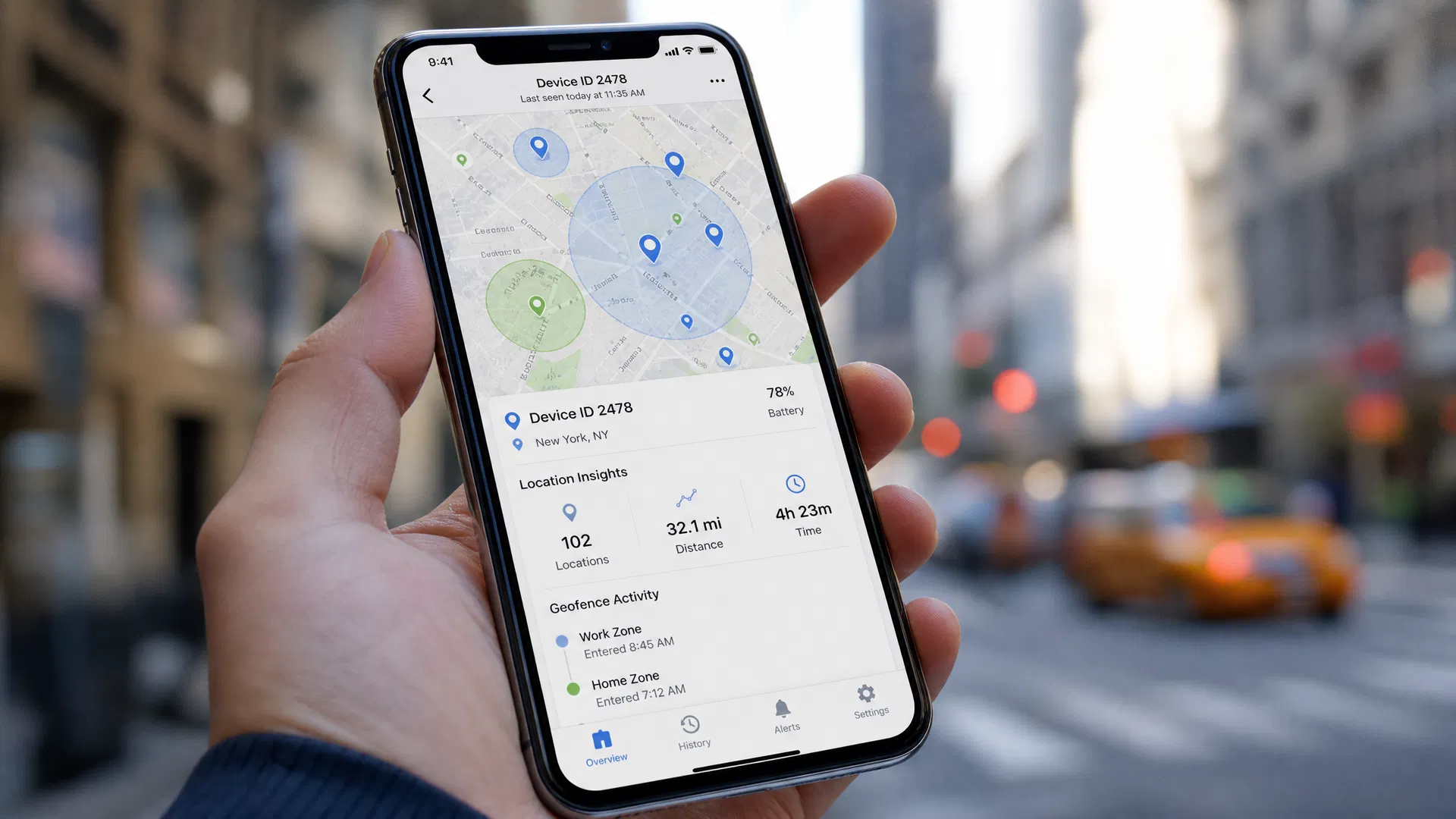
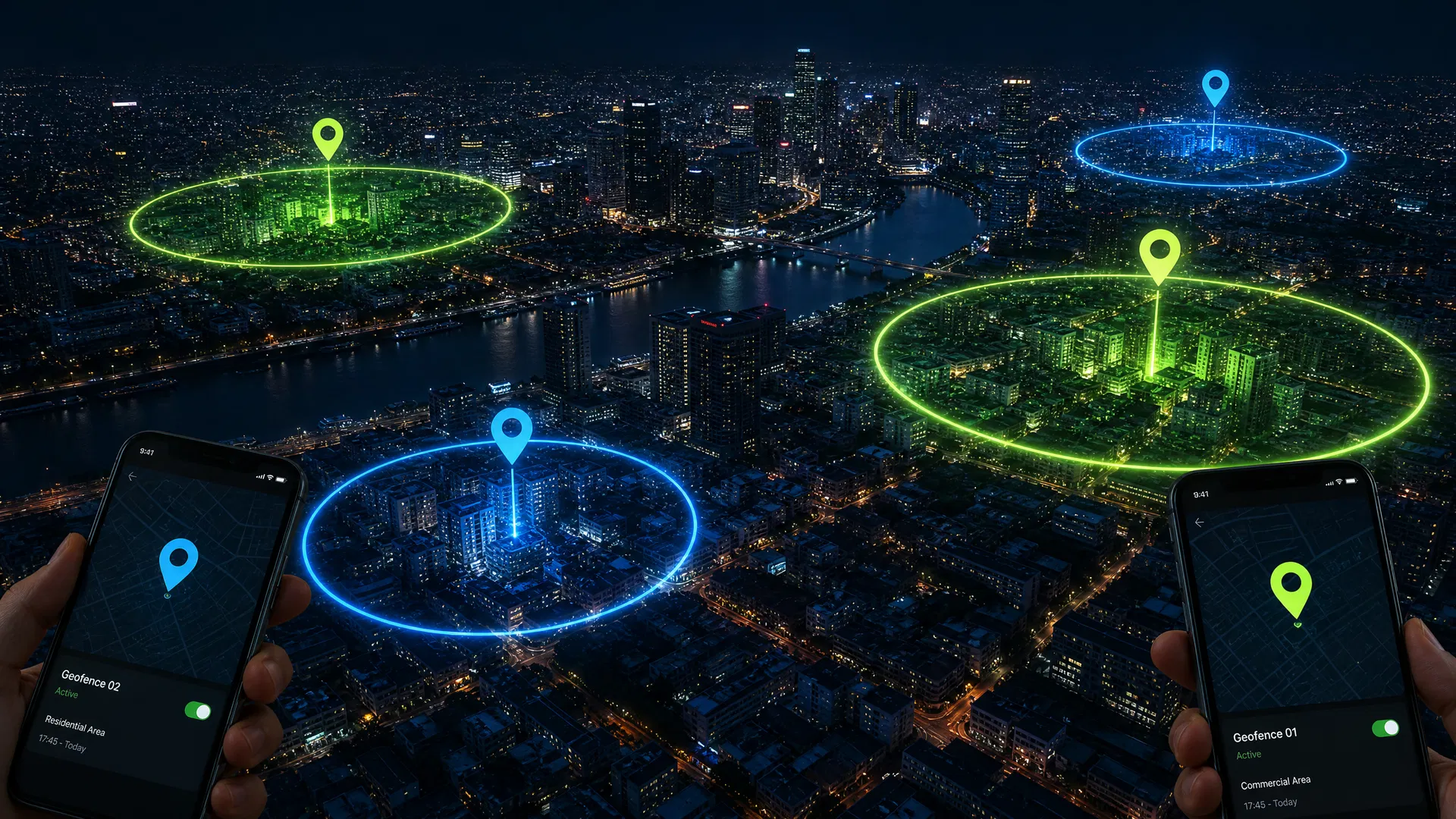
Geofencing is a powerful location-based marketing strategy that uses GPS, Wi-Fi, or cellular data to create a virtual perimeter around a real-world geographical area. When a mobile device enters or exits this predefined boundary, it triggers a pre-programmed action, such as sending a targeted advertisement, a push notification, or an SMS message. This allows businesses to engage with potential customers at the most relevant moments and locations, transforming proximity into powerful marketing opportunities.
How Geofencing Works: The Technology Behind Location-Based Engagement
At its core, geofencing relies on precise location data. Here's a simplified breakdown:
- Defining the Geofence: Businesses use specialized software to draw virtual boundaries (geofences) on a map. These can be as small as a single store or as large as an entire neighborhood or event venue. The shape can be a simple circle or a complex polygon.
- Location Detection: Mobile devices constantly communicate their location through various technologies:
- GPS (Global Positioning System): Highly accurate, but can consume more battery and is less effective indoors.
- Wi-Fi: Uses Wi-Fi signals to pinpoint location, often more accurate indoors and less battery-intensive than GPS.
- Cellular Data (Cell Towers): Provides broader, less precise location data, useful for larger geofences.
- Triggering Actions: When a device crosses the geofence boundary, the system detects this event. This triggers a pre-set action, which could be:
- Delivering a mobile ad (e.g., a display ad on an app).
- Sending a push notification (e.g., a special offer for a nearby store).
- Sending an SMS message (e.g., a reminder for an appointment).
- Triggering an app action (e.g., opening a specific page within an app).
Real-World Examples: Geofencing in Action
Geofencing isn't just theoretical; it's a powerful tool used across various industries to drive engagement and sales. Here are a few common scenarios:
- Retail: A clothing store sets up a geofence around its location. When a potential customer who has their app installed enters the geofence, they receive a push notification with a discount code for their latest collection. This encourages immediate foot traffic and purchases.
- Restaurants: A fast-food chain places geofences around competitor locations. When a customer is detected near a rival, they receive an ad for a special deal at the fast-food chain, aiming to divert their business.
- Automotive: Car dealerships can geofence their lot. When a customer who previously visited the dealership returns, they might receive a notification about new models or financing options, prompting them to re-engage with a salesperson.
- Events & Entertainment: A concert venue can geofence its perimeter. Attendees might receive notifications about merchandise sales, food and beverage specials, or even post-event surveys, enhancing their experience and driving additional revenue.
- Healthcare: Hospitals or clinics can use geofencing to send appointment reminders to patients as they approach the facility, reducing no-shows and improving operational efficiency.
Campaign Implications: Maximizing Your Geofencing Strategy
Implementing a successful geofencing campaign involves more than just drawing lines on a map. Consider these key implications:
- Target Audience: Understand who you're trying to reach. Are they existing customers, new prospects, or a specific demographic? This will influence your messaging and the locations you choose to geofence.
- Messaging Relevance: The message delivered must be highly relevant to the user's current location and context. A generic ad will likely be ignored. Think about what value you can offer at that precise moment.
- Timing: When is the best time to send a notification? During business hours? Before a specific event? Timing can significantly impact engagement rates.
- Call to Action (CTA): What do you want the user to do after receiving your message? Visit your store? Download an app? Make a purchase? A clear and compelling CTA is crucial.
- Privacy Considerations: Always be mindful of user privacy. Ensure your geofencing efforts comply with all relevant regulations and that users have opted in to receive communications. Transparency builds trust.
- Measurement and Optimization: Track the performance of your geofencing campaigns. Which locations are most effective? Which messages resonate best? Use this data to refine and optimize future campaigns.
Why Geofencing is Essential for Modern Marketing
In today's mobile-first world, consumers expect personalized and timely interactions. Geofencing allows businesses to cut through the noise by delivering highly relevant messages directly to individuals who are physically close to a point of interest. This hyper-local targeting capability leads to:
- Increased Foot Traffic: Driving more customers into physical locations.
- Higher Conversion Rates: Engaging customers when they are most likely to make a purchase decision.
- Enhanced Customer Experience: Providing valuable information or offers at opportune moments.
- Competitive Advantage: Reaching customers before your competitors do.
Geofencing is not just a trend; it's a fundamental shift in how businesses connect with their audience in the real world. By leveraging location intelligence, companies can create more impactful and effective marketing strategies.
Contact our team at Mediavision2020 for a free consultation at /request-quote.