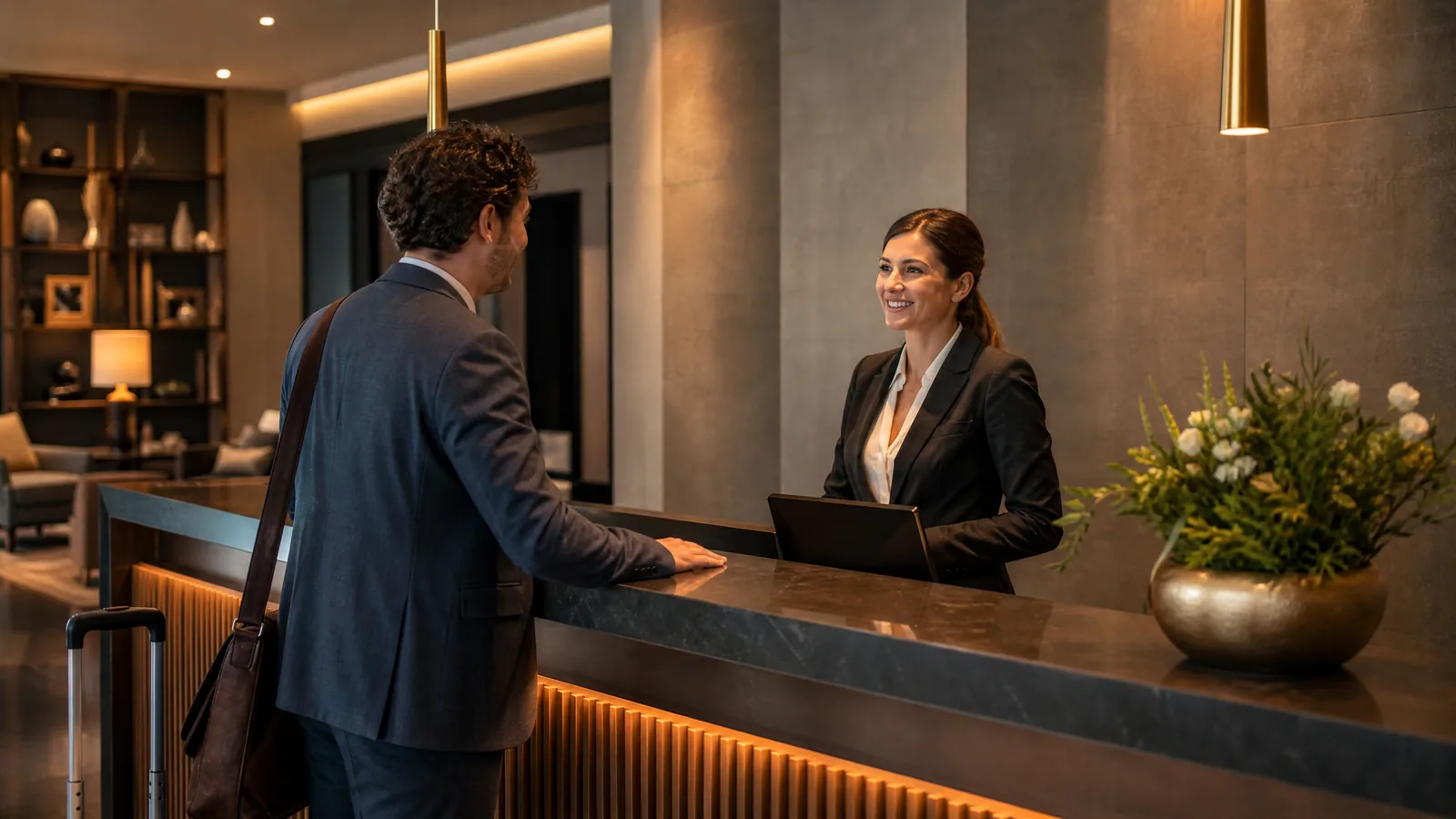

Hotel geofencing has transformed how forward-thinking hospitality properties acquire high-intent guests by leveraging precise mobile location data. When travelers arrive in a new destination, their smartphones become active radar systems for lodging, dining, and entertainment. Understanding what is geofencing allows hospitality marketers to establish virtual perimeters around rival hotels, airports, and tourist hubs, positioning their brand front and center precisely when visitors are evaluating accommodation options. By intercepting traveler consideration sets at competing properties, independent hotels and major chains alike can effectively capture walk-ins and last-minute bookings without relying solely on expensive third-party channels.
The hospitality industry operates in an intensely competitive ecosystem where room inventory is a perishable asset. Every vacant night represents unrecoverable revenue that can never be recouped once the calendar date passes. Traditional broad-stroke digital advertising often wastes valuable marketing budget on broad demographics who are not currently traveling or have already finalized their lodging plans. In contrast, location-based mobile marketing concentrates ad spend exclusively on verified in-market visitors who are actively moving through the local geographic landscape and experiencing accommodation conditions firsthand.
The Mechanics of Competitor Conquesting in Hospitality
Deploying competitor geofencing requires precise polygon mapping around rival hotels, boutique inns, and branded resorts. Unlike simple radius targeting that spans entire zip codes or broad city blocks, custom polygon boundaries trace the exact property lines, parking garages, and entrance lobbies of competing venues. When a mobile device enters these digital boundaries, the user's location ping is captured via SDK-level precision within authorized mobile applications across programmatic advertising exchanges.
Once a device is captured inside a competitor's perimeter, the user enters an active conquesting audience pool. Over the duration of their trip, these travelers receive compelling mobile banner and video ads highlighting your hotel's unique amenities, complimentary breakfast, luxury spa services, or exclusive direct-booking discounts. This continuous micro-moment exposure influences consumer choice during the critical evaluation window when guests experience service friction, billing disputes, or dissatisfaction at competing properties.
Advanced Strategies for Maximizing Walk-In Conversion
Successfully converting transient visitors requires a structured tactical approach that combines real-time delivery with irresistible value propositions. Here are three core implementation strategies utilized by leading hospitality brands to dominate local market share:
1. Real-Time Lobby and Lagniappe Intercepts
By geofencing rival hotel lobbies, conference centers, and registration desks, properties can reach guests who may be dealing with overbooked rooms, outdated facilities, or subpar customer service. Serving immediate mobile ads offering a seamless upgrade, complimentary valet, or airport shuttle can prompt frustrated guests to switch hotels before unpacking.
2. Multi-Day Impression Retargeting and Addressable Expansion
Travelers rarely book accommodation the exact second they step into a rival location. Through advanced addressable geofencing and device graph matching, hospitality marketers can follow captured device IDs back to their evening dining spots or tourist attractions, reinforcing brand messaging throughout their entire travel itinerary.
3. Rigorous Attribution and Conversion Measurement
Proving the value of location-based marketing demands verifiable performance metrics. Leveraging foot-traffic attribution enables hotel operators to track exact conversion rates—measuring the precise number of mobile devices that visited a competitor geofence and subsequently crossed the physical threshold of your hotel property to check in.
Understanding the Compliance and Privacy Framework
In the modern digital landscape, privacy compliance is paramount. Hospitality marketers must ensure that all location intelligence initiatives adhere strictly to regulatory standards and consumer privacy guidelines. Compliant geofencing relies entirely on anonymized, opted-in mobile location signals gathered via software development kits (SDKs) embedded in popular consumer apps. Personal identifying information (PII) is never tracked or exposed, ensuring that conquesting campaigns operate with absolute transparency and integrity while delivering exceptional return on investment for hotel ownership groups.
Maximizing Campaign Return on Investment Through Creative Customization
Achieving sustainable success with mobile location marketing requires continuous refinement of creative assets and audience segmentation. Generic ad copy often underperforms compared to dynamic creatives that respond to local conditions, current weather patterns, or immediate room availability. By testing different promotional incentives—such as waived resort fees versus food and beverage credits—hotel marketing teams can identify the exact psychological triggers that resonate most strongly with transient travelers in their specific destination market.
Furthermore, integrating foot-traffic analytics with property management system (PMS) data allows hoteliers to calculate true return on ad spend (ROAS). By connecting mobile ad exposure directly to front-desk check-in logs, revenue managers gain complete visibility into campaign profitability, enabling smarter budget allocation across peak travel seasons and major local events.
Case Study: Boosting Mid-Week Occupancy Through Location Intelligence
A premier downtown boutique hotel faced chronic mid-week occupancy slumps while competing against massive convention hotels nearby. By deploying hyper-targeted location perimeters around major business centers and rival conference hotels, the property delivered tailored business-traveler packages highlighting high-speed fiber internet and executive lounges. Within ninety days, direct mid-week bookings increased by 34%, while customer acquisition costs dropped significantly compared to traditional search engine marketing.
Related Industry Pages
Getting Started with Hospitality Location Marketing
Implementing a high-performing geofencing campaign requires expert geofencing architecture, privacy compliance, and continuous campaign optimization. To discover how custom location targeting can fill your rooms and elevate your brand, request a free hotel geofencing strategy session with our expert team today.