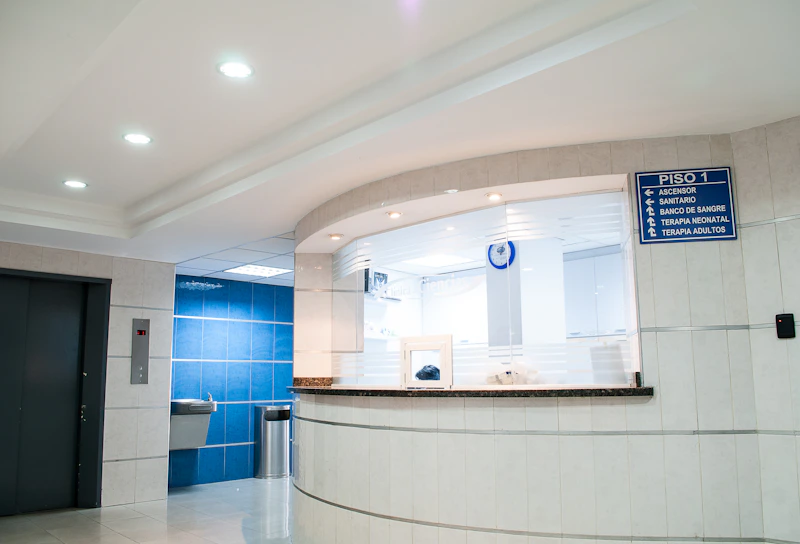

Medical practices may need to introduce a service line, provide accurate public information about a consultation, or support community awareness. Medical practice geofencing should be limited to broad geographic, community, professional, education, or referral-awareness contexts that do not use visits to in-person health-care providers to build an audience or infer a person's care.
Start With Accurate Public Information
Choose a clear public next step, such as learning about an available service or reviewing a public contact or appointment path. The creative should accurately describe what the practice offers and avoid promises about care outcomes. The supporting page should continue the same message and make the information process clear. Any appointment or request flow should be reviewed separately for tracking and recipient-data handling.
Use Permitted Contexts
Use broad geographic, community, professional-event, education, or referral-awareness contexts. Do not use visits to specialist clinics or other in-person health-care providers as audience triggers, and do not create audience segments that infer care, a condition, or a procedure. Healthcare campaigns require campaign-specific review of data sources, vendor roles, permissions, state law, and platform rules; this page does not certify legal compliance.
Measure Without Health-Linked Inputs
Define a measurement plan that does not connect audience selection to health visits, clinical inputs, or care or procedure inferences. ChattaBase Real-Time Reporting can help teams examine campaign delivery alongside their own process. Visit Medical Geofencing for more industry-specific planning guidance.