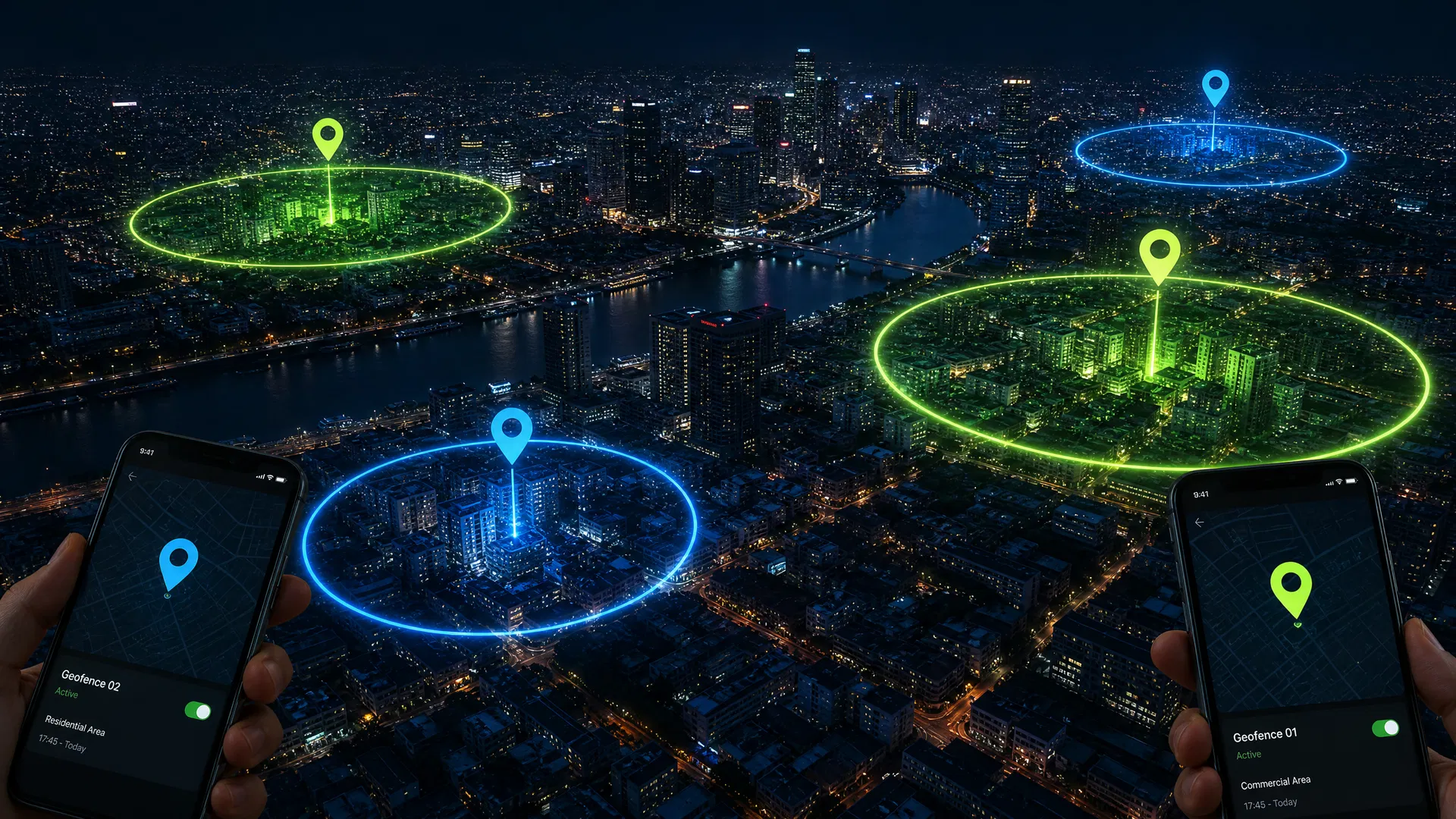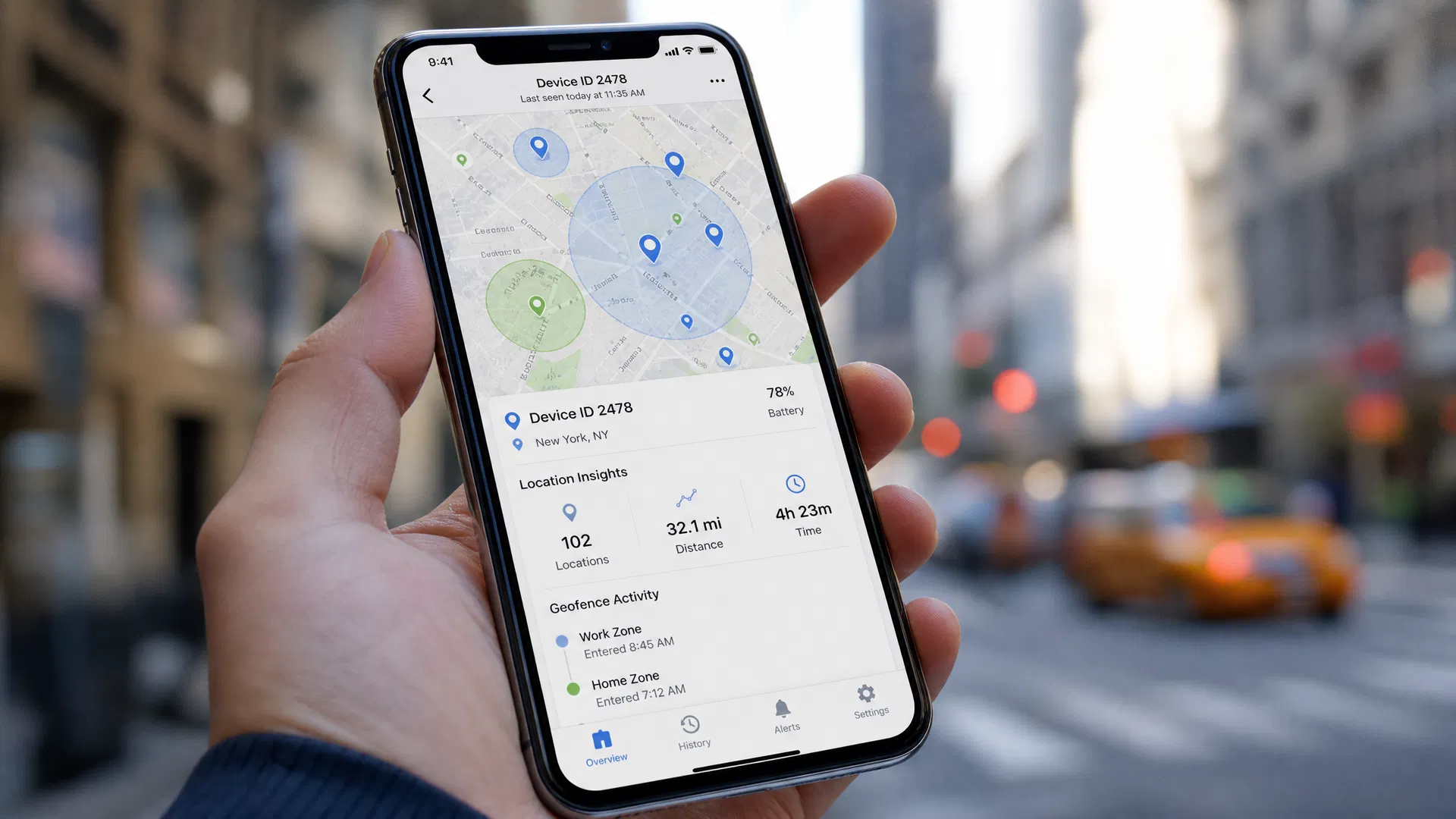

So you just returned from a seminar where a breakout session — or maybe even the keynote — talked about the marvels of geofencing. Now it's up to you to figure out how to harness the power of location-based targeting for your company. Here are three things to know to get you started.
1. Types of Geofencing
Geofencing tactics have evolved significantly since the early days of beacon technology. Savvy marketers can now target in three distinct ways:
- Real-time targeting — Serve ads to users while they are physically inside a defined geofence area
- Mobile ID retargeting — Capture mobile IDs of users who entered a geofence and continue serving ads to them after they leave
- Look-back windows — Target users who were within a geofence in the past, allowing you to achieve scale from day one of a campaign
These capabilities have reshaped how time and place can be leveraged in advertising. Mobile retargeting, in particular, allows marketers to extend the conversation with prospects long after they've left a location.
2. fully managed service vs. Fully Managed Platforms
Choosing the right platform model matters as much as choosing the right tactic.
fully managed platforms offer the most flexibility — you can swap ad units mid-campaign, pause, or change geolocations by logging in directly. However, they often require larger minimum spends and can be tricky for casual users who don't have time to learn campaign optimization.
Fully managed platforms rely on an expert for campaign setup and optimization, often with a digital strategist who helps conceptualize the campaign. The best full-service platforms use analysts who optimize several times per week or daily. The trade-off is slightly higher cost and a business day or two for creative and campaign changes.
3. Lead Generation
Geofencing is an excellent way to prospect for new leads. It fills your sales pipeline with new top- and mid-funnel prospects — and it's a powerful add-on when your search campaign isn't generating enough volume, because it reaches prospects who may not be actively searching for your business yet.
Think passive job candidates at a university campus. Shoppers at your competitor's store. Attendees at a trade show in your industry. These are audiences that search simply cannot reach — but geofencing can.