In the dynamic world of digital marketing, location-based strategies have become indispensable tools for reaching consumers with precision. Among these, **geo-targeting** and **geofencing** are frequently discussed, often interchangeably, yet they represent distinct approaches with unique applications. Understanding the nuances between these two powerful techniques is crucial for marketing managers and business owners looking to optimize their campaigns and maximize return on investment. This deep-dive will clarify what each strategy entails, highlight their key differences, and provide guidance on when to leverage each for optimal campaign performance.
What Is Geo-Targeting?
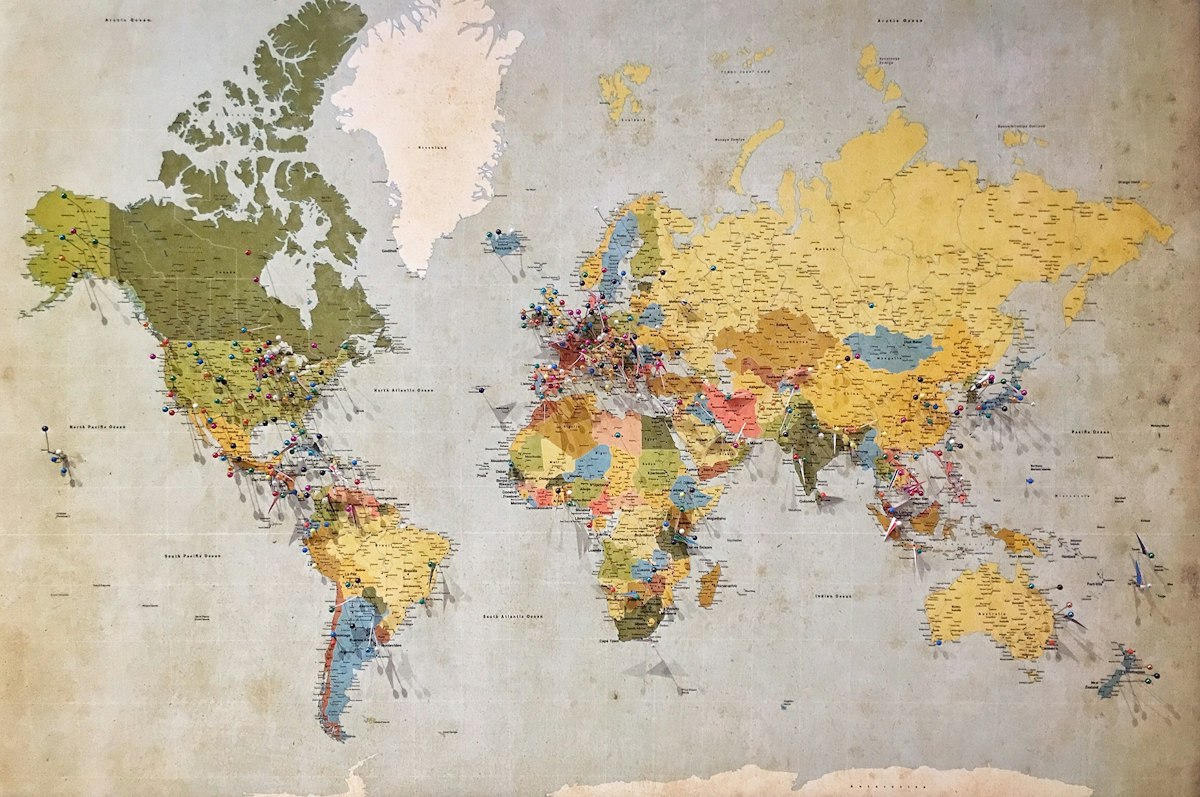
Geo-targeting is a broad location-based marketing strategy that delivers content or advertisements to users based on their general geographic location, such as country, region, state, city, or even postal code. It leverages IP addresses, GPS data, Wi-Fi, and cellular tower triangulation to identify a user's location. Unlike geofencing, geo-targeting does not require a user to enter or exit a predefined virtual boundary; instead, it focuses on serving relevant content to individuals *within* a larger, more static geographical area.
How Geo-Targeting Works
Geo-targeting operates by identifying a user's location through various data points and then serving them tailored content. This can include:
- **IP Address:** The most common method, identifying a user's general location.
- **GPS Data:** More precise, often used in mobile applications.
- **Wi-Fi and Cellular Data:** Provides location information, especially in urban areas.
Marketers use geo-targeting to customize campaigns based on local preferences, language, weather, or cultural relevance. For instance, a national retail chain might geo-target advertisements for winter coats to customers in colder northern states, while promoting swimwear in warmer southern regions.
Real-World Examples of Geo-Targeting
- **Retail Promotions:** A large electronics retailer runs ads for specific product discounts only visible to customers searching within a 50-mile radius of their physical stores.
- **Restaurant Chains:** A fast-food chain promotes a new menu item in specific cities where it has a strong presence, using localized language and imagery.
- **Service Providers:** A home repair service targets homeowners in particular zip codes with ads for seasonal maintenance, such as furnace checks in autumn or AC servicing in spring.
- **Event Promotion:** Concert promoters target potential attendees within a certain radius of a venue to advertise upcoming shows.
What Is Geofencing?
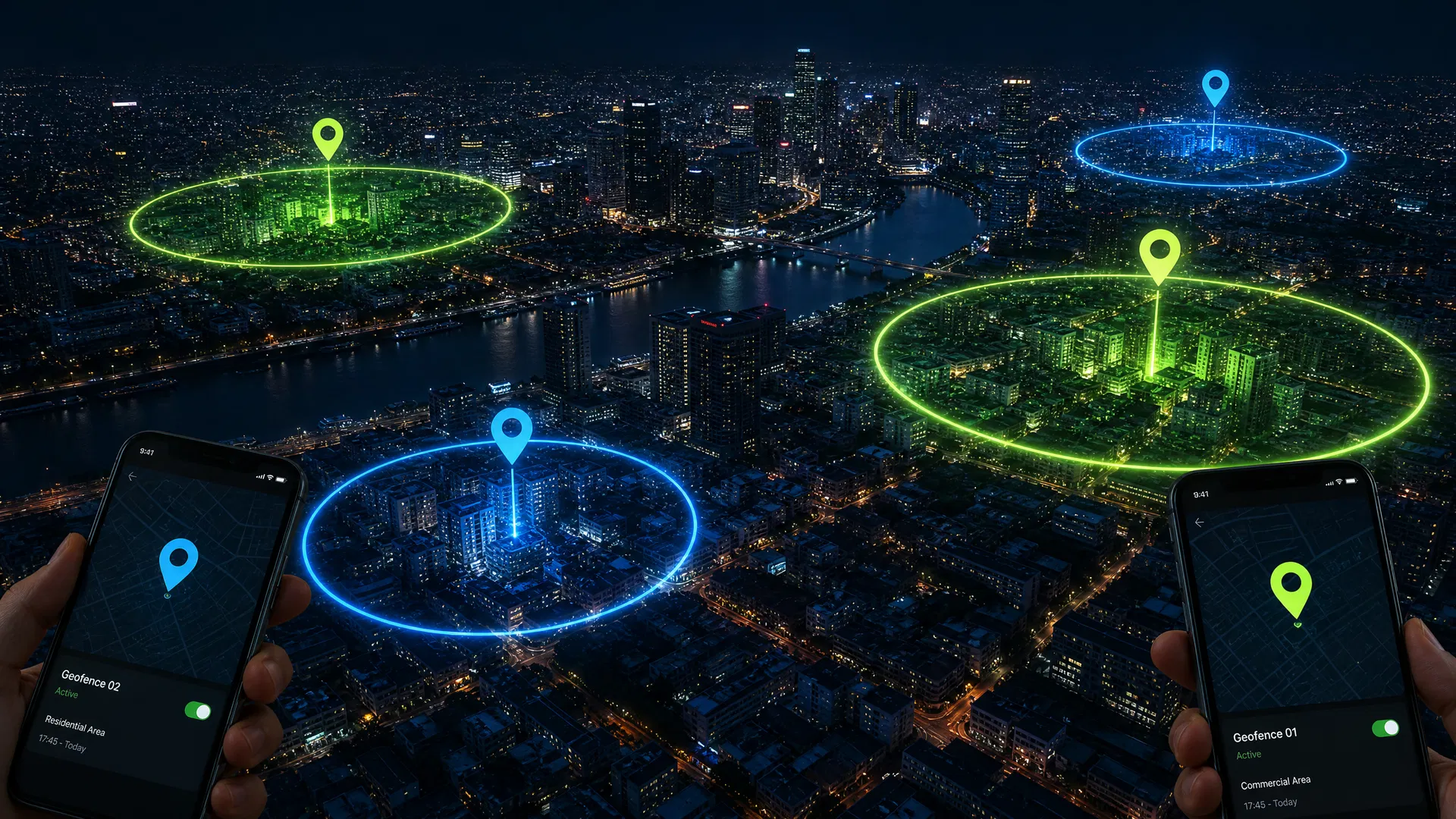
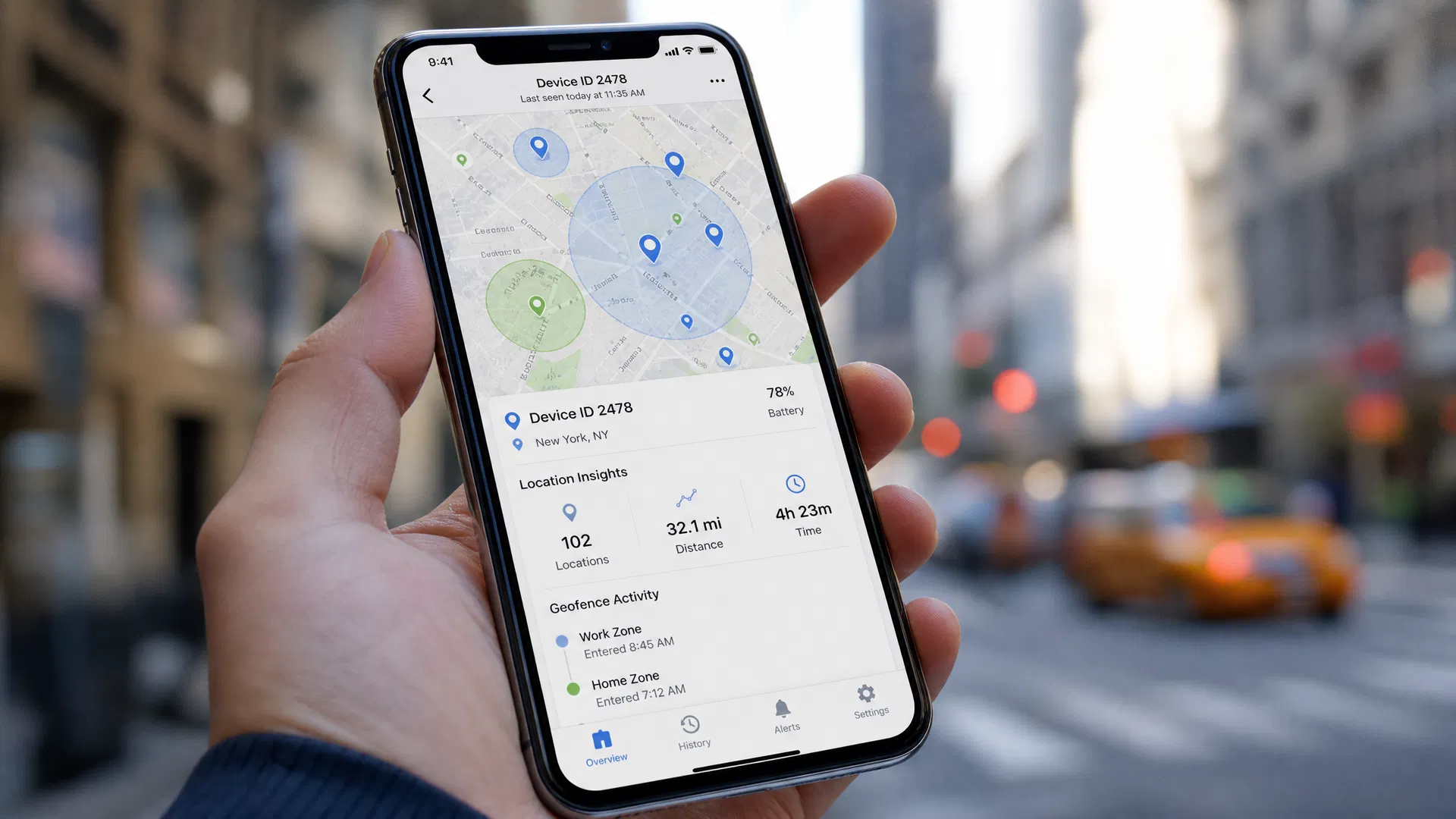
Geofencing is a more precise, dynamic location-based marketing technique that involves setting up a virtual perimeter, or "geofence," around a specific geographical area. When a mobile device user enters or exits this predefined boundary, it triggers a pre-programmed action, such as sending a push notification, an SMS message, or displaying a targeted advertisement. Geofences can be as small as a single store or as large as an entire shopping mall, making them ideal for hyper-local engagement.
How Geofencing Works
Geofencing relies on GPS, Wi-Fi, or cellular data to detect when a device crosses a virtual boundary. Key aspects include:
- **Virtual Boundary:** A digital perimeter drawn around a specific location using mapping software.
- **Triggered Actions:** Once a device enters or exits the geofence, an action is initiated.
- **Opt-in Requirement:** Users typically need to have location services enabled and often opt-in to receive notifications from a specific app.
This technology is particularly effective for businesses looking to engage customers at critical moments, such as when they are near a point of sale or a competitor's location.
Real-World Examples of Geofencing
- **Coffee Shops:** A coffee shop sends a push notification with a discount offer to customers who enter a two-block radius around their store.
- **Retail Stores:** A clothing boutique sends a welcome message and highlights current sales to customers who walk into their store.
- **Auto Dealerships:** An auto dealership sets up a geofence around a competitor's lot, sending ads for their own deals to potential customers visiting the competitor.
- **Event Venues:** A sports arena sends real-time updates or concession stand promotions to attendees once they enter the venue.
Key Differences Between Geo-Targeting and Geofencing
While both strategies leverage location data, their operational mechanisms and ideal use cases differ significantly:
- Scope: Geo-targeting operates over broader, more static geographical areas (e.g., cities, states), while geofencing focuses on highly specific, dynamic virtual boundaries (e.g., a store, a block).
- Trigger Mechanism: Geo-targeting serves ads based on a user's general location within a defined area. Geofencing triggers actions (notifications, messages) when a user *enters or exits* a specific virtual perimeter.
- Precision: Geofencing offers hyper-local precision, often down to a few meters, making it ideal for immediate, in-the-moment engagement. Geo-targeting is less precise, suitable for broader regional campaigns.
- Interaction: Geofencing is inherently interactive and event-driven, reacting to a user's movement. Geo-targeting is more passive, serving ads to a user simply because they are in a general area.
- Data Usage: Geo-targeting often relies on IP addresses and broader demographic data. Geofencing heavily utilizes real-time GPS and mobile data for boundary detection.
When to Use Each: Campaign Implications
When to Use Geo-Targeting
Geo-targeting is best suited for campaigns that aim for broader reach within a defined region or for customizing content based on regional characteristics. Consider geo-targeting when:
- You want to reach a large audience in a specific city, state, or country.
- Your product or service has regional relevance (e.g., weather-dependent products, local news).
- You are running brand awareness campaigns across a wider geographic area.
- You need to localize content, pricing, or promotions for different markets.
- You are targeting online users who may not be physically near your business but are located in a relevant area.
For example, an e-commerce brand selling winter sports equipment would geo-target ads to mountainous regions during the winter months, regardless of whether the user is physically near a store.
When to Use Geofencing
Geofencing is ideal for driving immediate action and engaging customers at precise moments and locations. Opt for geofencing when:
- You want to drive foot traffic to a physical store or event.
- You aim to engage customers while they are near your business or a competitor's location.
- You have time-sensitive offers or promotions that are best delivered in real-time.
- You want to gather insights into customer behavior within specific physical locations.
- You are looking to create highly personalized, context-aware marketing messages.
A classic example is a car dealership setting up a geofence around its showroom to send special offers to visitors, or around a competitor's lot to entice their customers.
Conclusion
Both geo-targeting and geofencing are powerful location-based marketing strategies, each with distinct advantages. Geo-targeting provides a broader, more static approach, perfect for regional campaigns and content localization. Geofencing offers hyper-local precision and real-time engagement, ideal for driving immediate actions and in-store traffic. The most effective marketing strategies often involve a combination of both, strategically deployed to achieve different campaign objectives.
By understanding their differences and knowing when to apply each, businesses can craft highly effective, location-aware campaigns that resonate with their target audience and deliver measurable results. Contact our team at Mediavision2020 for a free consultation to discover how these strategies can transform your marketing efforts. Contact our team at Mediavision2020 for a free consultation