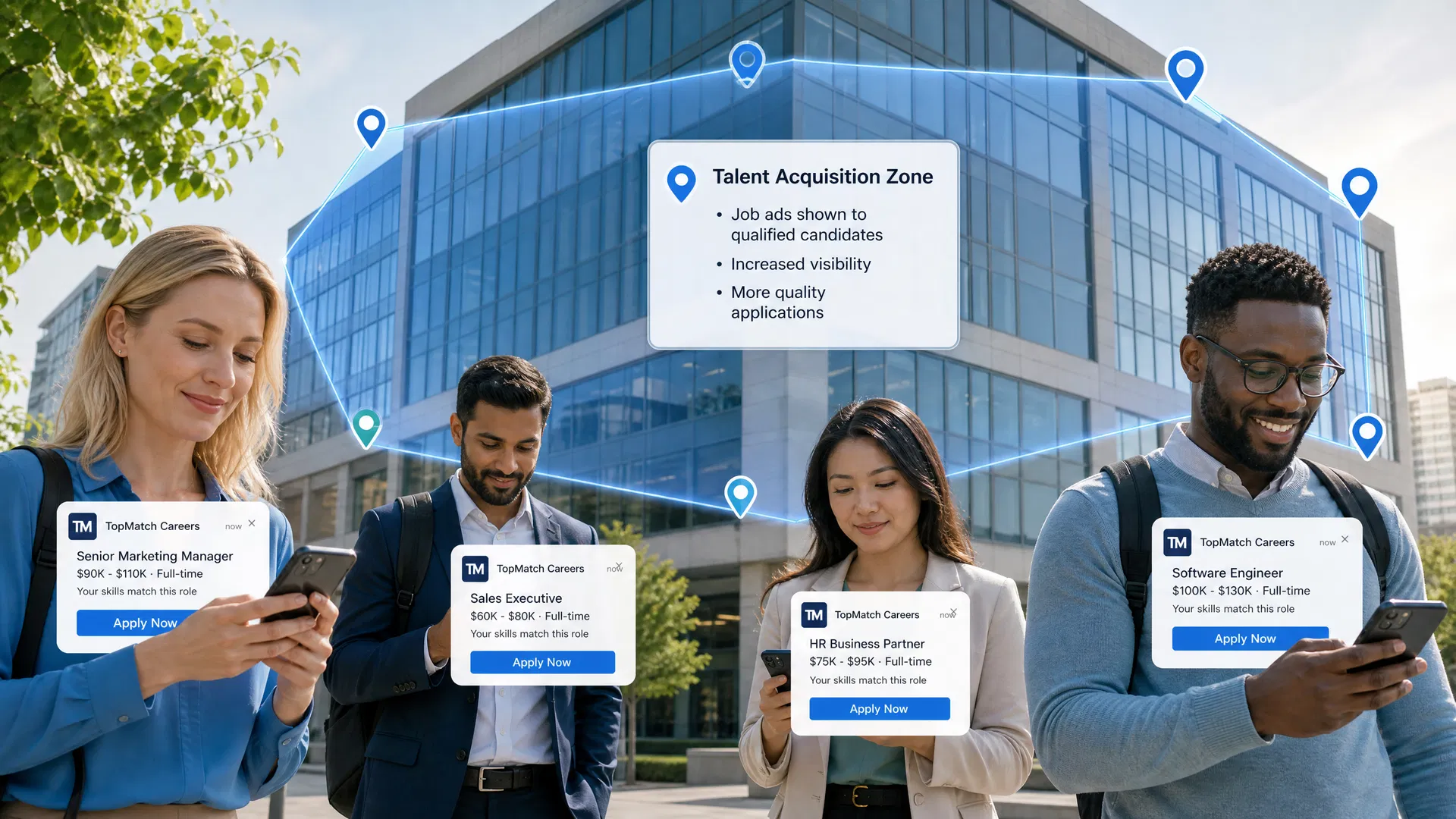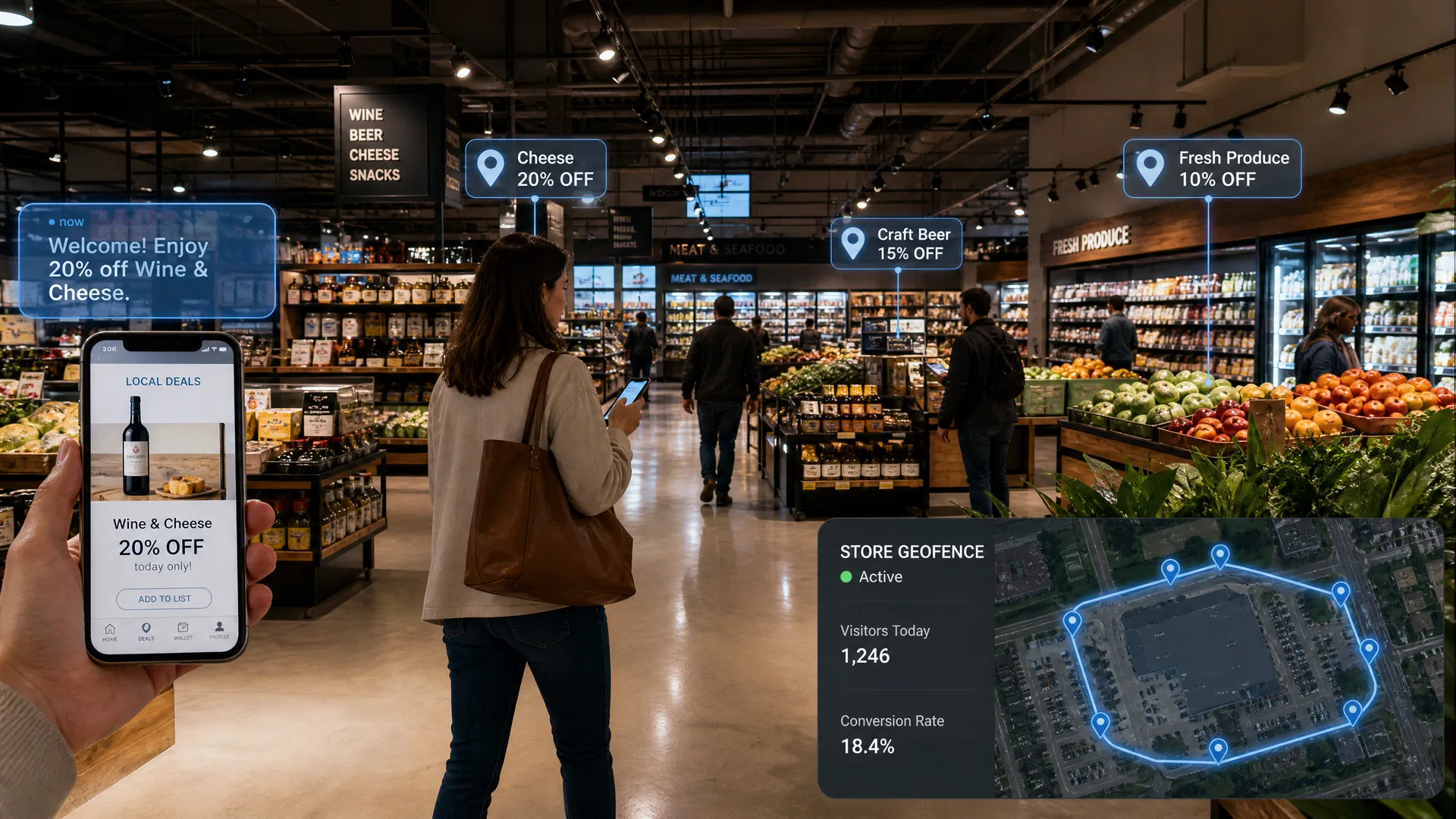

Geofencing is one of the most effective tools available for modern recruiting — but like any tactic, it works best when executed with a clear strategy. Here's a proven framework for building a geofence recruiting campaign that delivers qualified candidates.
Step 1: Build Your Mobile ID Target Audience
Write down a list of places where your best recruits live, work, or study. From that list, build an audience of mobile device IDs captured from those locations. Think about:
- Universities and community colleges with relevant programs
- Competitor office buildings and campuses
- Industry-specific training centers and certification facilities
- Professional associations and networking event venues
This audience becomes the foundation of your campaign — real people who have demonstrated proximity to the skills, experience, or background you're looking for. The same audience-building logic applies to education: charter school enrollment campaigns use identical techniques to reach parents at competitor school open houses and feeder school campuses.
Step 2: Craft Compelling Creative
Recruiting ads need to speak directly to what candidates care about: career growth, compensation, culture, and flexibility. Your creative should answer the question "why would I leave my current job for this one?" before the candidate even asks it.
Best practices for recruiting ad creative:
- Lead with a specific, compelling benefit — not just "We're hiring"
- Use imagery that reflects your actual workplace and team
- Include a clear, frictionless call to action — "Apply in 2 minutes" outperforms "Learn more"
- A/B test headlines focused on compensation vs. culture vs. growth opportunity
Step 3: Activate Across All Screens
Your candidates don't live on one device. A winning geofence recruiting strategy reaches them across mobile apps, mobile web, desktop, and connected TV — ensuring your message reaches them wherever they consume content, not just when they happen to be on their phone.
Step 4: Measure and Optimize
Track applications, cost-per-applicant, and quality-of-hire metrics from the start. The best geofencing">geofencing platforms provide real-time reporting that allows you to shift budget toward the locations and creative combinations that are driving the most qualified applicants — and away from those that aren't.