
The U.S. tour and activity market generates approximately $30 billion in annual revenue, with the global tours and activities market estimated at $183 billion. The market has been significantly disrupted by online booking platforms (Viator, GetYourGuide, Airbnb Experiences), which charge tour operators commissions of 20–30% per booking. For tour operators, geofencing advertising offers a direct-to-consumer channel that eliminates OTA commissions and builds direct customer relationships.
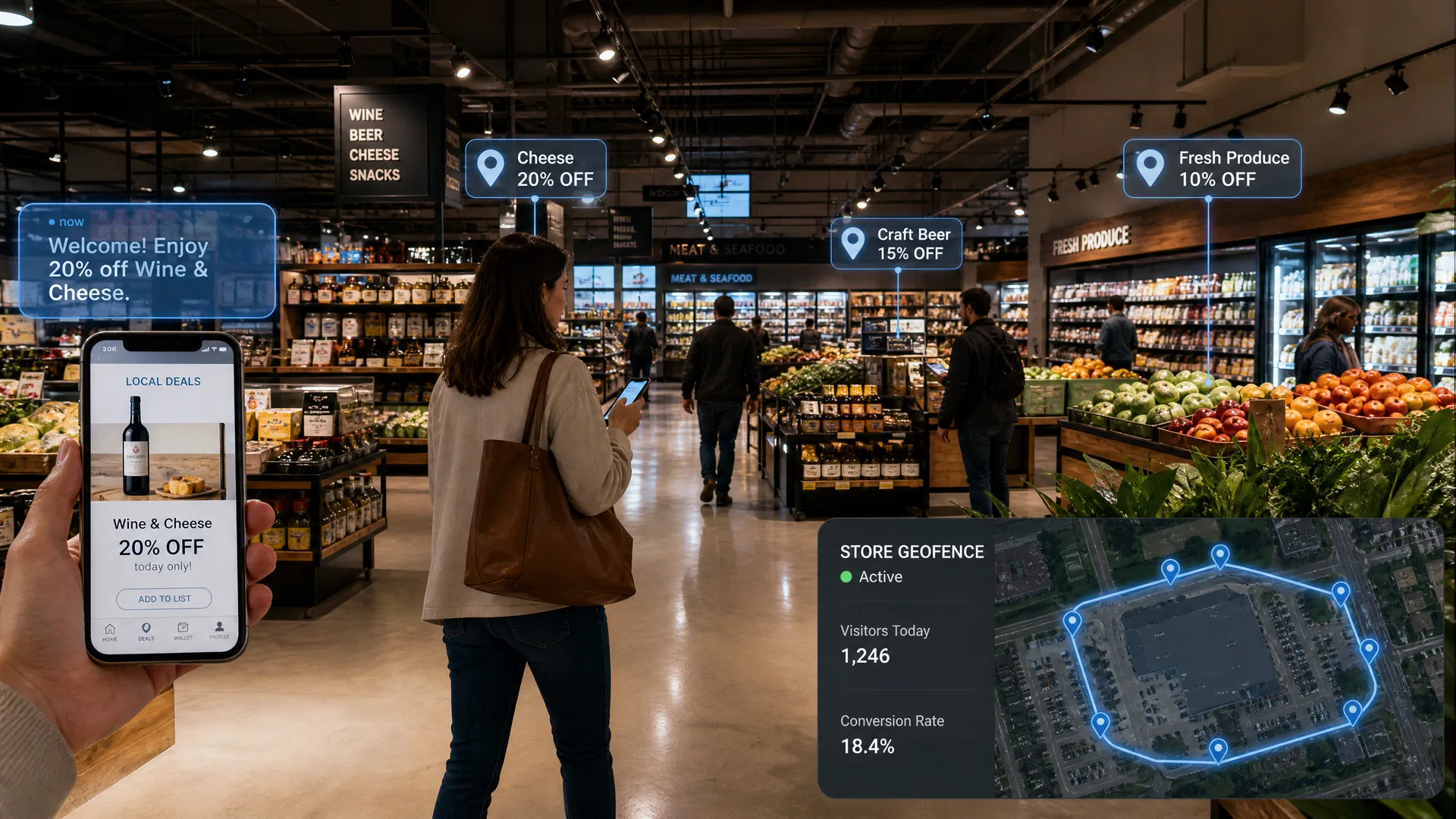
Geofencing is particularly effective for tour operators because the purchase decision is made in a specific geographic context — at a destination, in a hotel, or at a tourist attraction — and the consumer is in an active activity-seeking mindset. Reaching them with a targeted ad at these moments produces significantly higher conversion rates than reaching them at a random time through social media or search advertising.
Hotel Targeting: The Highest-Intent Tour Buyer Audience
Hotels are the highest-concentration tour buyer locations in any destination market. Guests who are staying at hotels are actively planning their activities for the day or the trip — they have discretionary time, they are in an exploratory mindset, and they are physically in the destination. Geofencing hotels within the tour's primary visitor catchment area and serving ads that highlight a specific tour experience and a direct booking offer reaches this audience at the peak of their activity-seeking mindset.
The creative for hotel targeting should be visually compelling — featuring the most striking image from the tour experience — and should include a specific offer that creates urgency: 'Book today and save 10%. Limited spots available.' This combination of visual appeal, urgency, and a direct booking incentive consistently produces higher conversion rates than generic tour branding.
Tourist Attraction Targeting
Tourist attractions — museums, landmarks, national parks, theme parks — are secondary targeting opportunities for tour operators. Visitors at these attractions are already in an active tourism mindset and are receptive to ads for complementary experiences. A food tour operator that targets museum visitors, a wine tour operator that targets vineyard visitors, or an adventure tour operator that targets national park visitors is reaching a highly qualified audience with a contextually relevant message.
| Tour Operator Geofencing Strategy | Target | Tour Type | Expected Bookings |
|---|---|---|---|
| Hotel targeting | Hotels in destination market | All tour types | 10–25 bookings/month |
| Tourist attraction targeting | Museums, landmarks, parks | Complementary experiences | 5–15 bookings/month |
| Airport targeting | Airport arrivals areas | All tour types | 3–8 bookings/month |
| Competitor tour conquesting | Competing tour operators | All tour types | 5–10 bookings/month |
For a free tour operator geofencing proposal, contact Mediavision2020 today.