
Reaching consumers in a relevant way is often profoundly tied to place. Historically, retailers and suppliers have focused on contextual, physical mediums for tapping the power of place inside the store — signage, displays, shelf talkers, and so on. Beacons haven't really worked. Promotional touch screens don't get used much. By and large, efforts to innovate inside the store have failed.
But the game is finally changing — and ironically, the new way to leverage place doesn't involve anything marketers put inside the store at all. Customers are bringing your most powerful marketing asset with them: the smartphone. We're on the forefront of understanding how to use it.
Why Geofencing Struggled at First
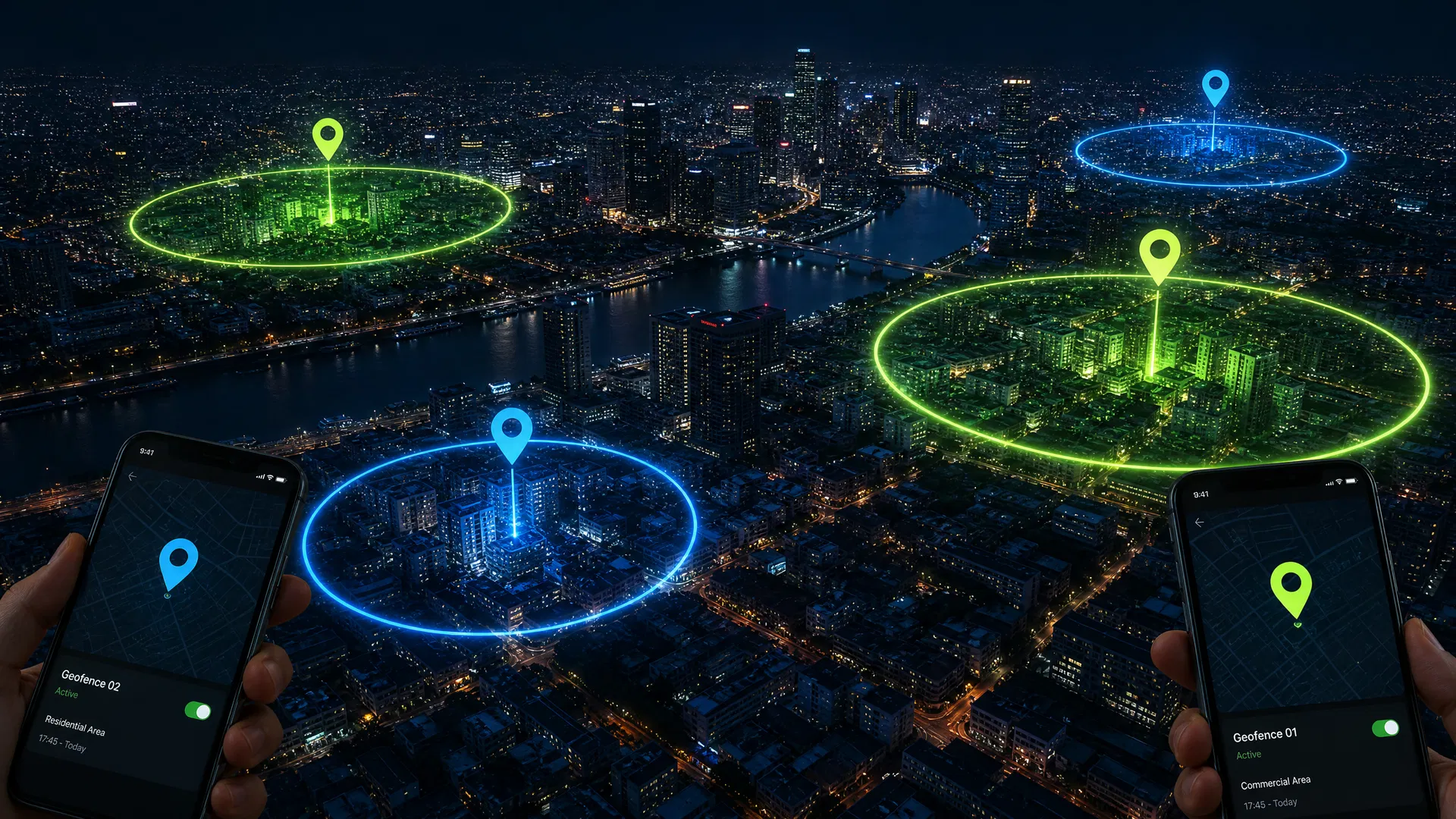
Geofencing means showing banner ads to customers on mobile browsers and apps whenever they're inside a virtual "fence" defined by latitude and longitude coordinates on a map. Sounds powerful — and it is. But at first, many marketers were sold geofencing in a way that won larger budgets without tapping the precision that drives real results.
Imagine being told to put your shelf-talkers on every shelf in the store, or to send email promotions to everyone who visited a major retailer in a given timeframe. That's essentially what some geofencing companies were doing when they suggested brands geofence an entire retailer's footprint.
Geofencing Reborn
With the maturity of media analytics and the emergence of new geofencing platforms built to deliver the true potential of the medium, the game is finally changing. New players are integrating geofencing tech with other data sources and figuring out how to measure real outcomes.
Here are three guiding principles to help you get the most out of geofencing:
1. Find Someone Doing It Differently
Go with a partner who has something unique to offer — something that gets you closer to your audience in a way you haven't been able to through other tactics. Be suspicious when:
- They assume they're the answer before understanding your needs
- They claim to do everything but can't tell you where they aren't specialized
- They can't clearly explain how they measure results
- They're doing vanilla geofencing — a 1–2 mile radius around a store
2. Vet the Techno-Babble
If the company pitching you can't explain their technology in plain language, or won't go deep on how it actually works, it's not worth your time. Precision geofencing is complex — but a great partner makes it understandable.
3. Stick to Your Guns
Rigidly insist on targeting your specific audience and filter out the noise. Instead of signing up for a massive campaign that blasts an entire retail store and the surrounding miles, stop and consider who you're actually trying to reach. If your core audience over-indexes on fresh and visits several times a week, you need a dedicated budget to reach that audience — and you should protect it.
If you want to leverage the power of place in your advertising, geofencing needs to be in your media mix. We're here to help you take the next step and launch a winning hyper-targeted strategy.