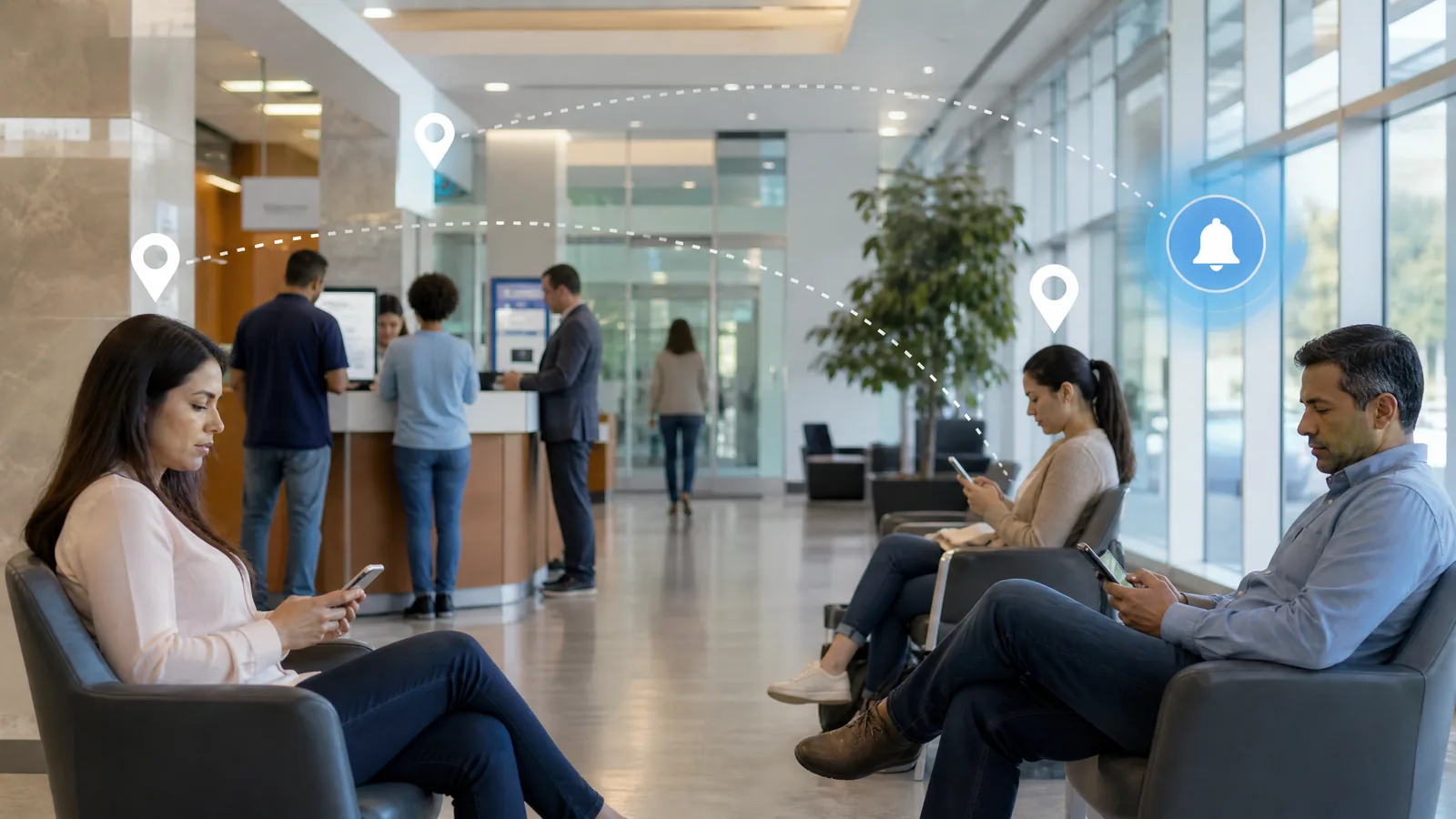
State Department of Motor Vehicles (DMV) offices and municipal licensing centers are universally recognized as symbols of bureaucratic delay, characterized by crowded waiting rooms and extended service queues. Yet, a significant percentage of citizens standing in these lines are visiting to complete routine transactions—such as vehicle registration renewals, license address updates, and duplicate title requests—that could easily be accomplished online. By implementing geofencing DMV lines, state agencies can deliver targeted mobile prompts to waiting citizens, promoting self-service digital portals and dramatically cutting physical wait times.
Digital transformation in government is most successful when it meets citizens at the exact moment of friction. Waiting in a physical queue creates high receptivity to alternative solutions. By engaging mobile users currently inside or immediately adjacent to licensing offices, agencies can successfully divert routine traffic toward digital channels, relieving strain on front-line staff.
The Challenge of Legacy Queue Management
Traditional queue management relies on physical ticket dispensers and announcements, doing nothing to reduce overall visitor volume. When physical lobbies become overwhelmed, customer satisfaction plummets, and operational costs escalate for state agencies.
While most states have invested heavily in robust online portals, citizen adoption remains uneven due to lack of awareness or difficulty finding the right landing page. Geofencing licensing centers bridges this gap by placing direct links to online renewal portals onto the screens of citizens while they wait.
Core Strategies for DMV Digital Diversion
1. Precise Perimeter Geofencing Around Lobbies
Agencies draw exact virtual perimeters around physical DMV offices and parking lots. These zones utilize lead generation geofencing principles adapted for public service to engage mobile users with messages highlighting instant online alternatives.
2. Streamlined Mobile Portal Integration
Promotional banners and notifications link directly to mobile-optimized government portals, allowing citizens to complete transactions on their smartphones, exit the physical line, and drive away.
3. Measuring Success Through Attribution Analytics
To evaluate efficiency gains, agencies deploy foot-traffic attribution models to correlate digital ad impressions with reduced physical lobby wait times and increased online portal throughput.
Related Industry Pages
Transforming Citizen Experience Through Technology
Modernizing public service delivery through smart digital diversion creates a win-win scenario for citizens and state agencies alike. Shifting routine tasks online reduces lobby congestion and frees up agency resources to assist citizens with complex, in-person requirements.
Getting Started
Improving government efficiency and enhancing citizen satisfaction requires innovative digital tools. To learn how your state or municipal agency can implement queue-reduction geofencing, Request a free government geofencing strategy session today.