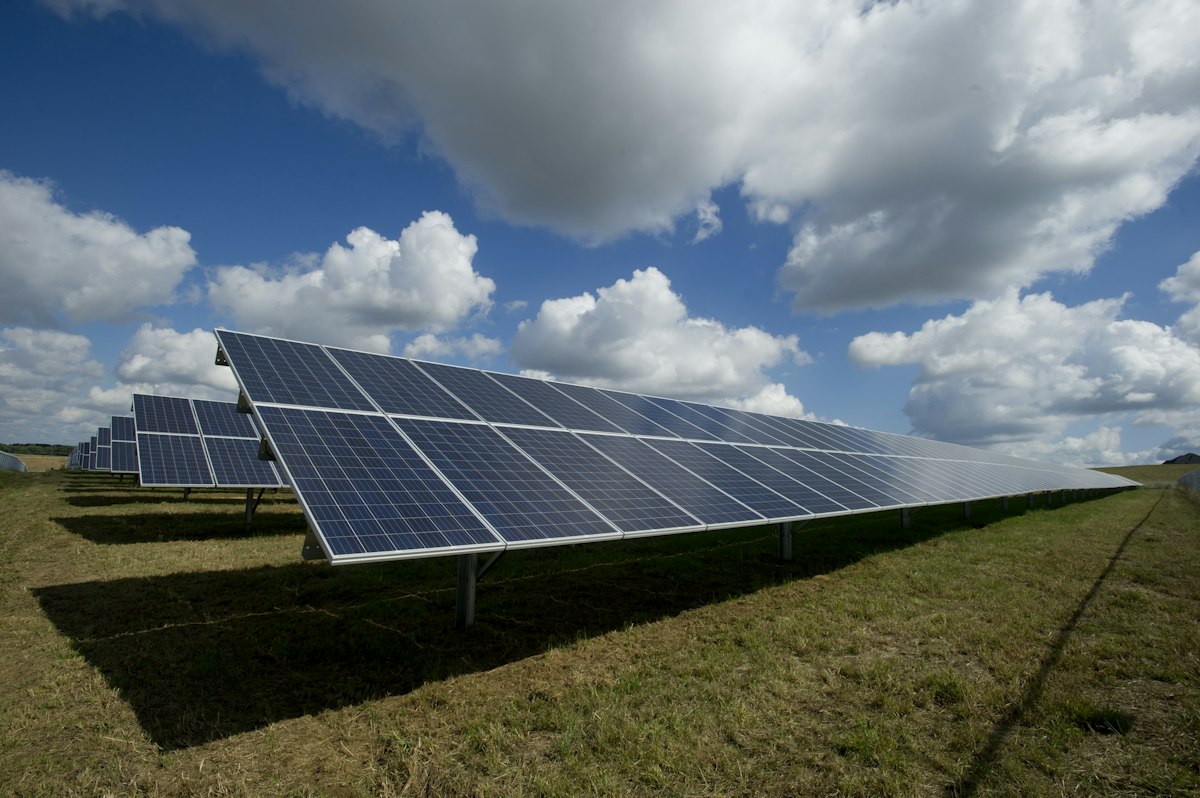
U.S. residential solar installations grew 51% in 2023 according to the Solar Energy Industries Association, with over 1.3 million residential systems installed in a single year. This explosive growth has intensified competition for solar leads — the average cost per solar lead has risen from $30–$50 in 2018 to $80–$150 in 2024 through traditional digital channels, driving solar companies to seek more cost-effective alternatives.
Solar Geofencing Strategies
Home Improvement Store Geofencing
Homeowners who visit home improvement stores for major projects (roofing, HVAC, windows) are actively investing in their homes and may be receptive to solar as another home improvement investment. Geofencing Home Depot and Lowe's locations and serving ads that position solar as a home improvement investment — with specific ROI messaging ('Average homeowner saves $1,500/year') — captures this high-intent audience at the moment of home improvement decision-making.
Utility Office Geofencing
Homeowners who visit utility offices are often there to dispute a high bill, set up new service, or inquire about rate increases. These homeowners are experiencing energy cost pain — the primary motivation for solar adoption. Geofencing utility offices and serving ads that address energy cost concerns directly ('Stop paying high electric bills — go solar') captures this high-motivation audience at the moment of maximum energy cost frustration.
Neighborhood Solar Saturation
Solar adoption follows neighborhood patterns — when one homeowner in a neighborhood goes solar, neighbors are significantly more likely to consider solar themselves. Geofencing neighborhoods with existing solar installations (identifiable through satellite imagery and permit data) and serving ads that leverage neighborhood social proof ('Your neighbors at 123 Oak Street are saving $150/month with solar') captures the neighborhood adoption dynamic that drives solar sales.
Electric Vehicle Dealership Geofencing
EV owners are the highest-propensity solar prospects — they have already demonstrated a commitment to clean energy, and solar panels can offset the cost of home EV charging. Geofencing EV dealerships (Tesla, Rivian, Lucid, and EV sections of traditional dealerships) and serving solar ads that specifically address EV charging costs captures this premium prospect audience.
Frequently Asked Questions
What is the best offer for a solar geofencing campaign? Free solar assessment offers consistently deliver the highest conversion rates for solar geofencing. The assessment removes the upfront commitment barrier and allows the solar company to demonstrate value (showing the homeowner their specific savings potential) before asking for a purchase decision. Pair the assessment offer with a specific savings estimate ('Homeowners in [zip code] save an average of $X/year') for maximum relevance.
How do I target homeowners specifically (not renters) with solar geofencing? Addressable geofencing allows targeting of specific residential addresses. By uploading a list of owner-occupied addresses (available from property tax records or data providers), you can serve solar ads exclusively to homeowners — significantly improving lead quality since renters cannot install solar panels.