
Why Geofencing Works for Home Improvement
Home improvement is a $600 billion industry in the United States (Harvard Joint Center for Housing Studies, 2024), with homeowners spending an average of $13,000 per year on home maintenance, repairs, and improvements. The challenge for contractors and service providers is reaching homeowners at the moment they are actively considering a project — before they have already found a contractor.
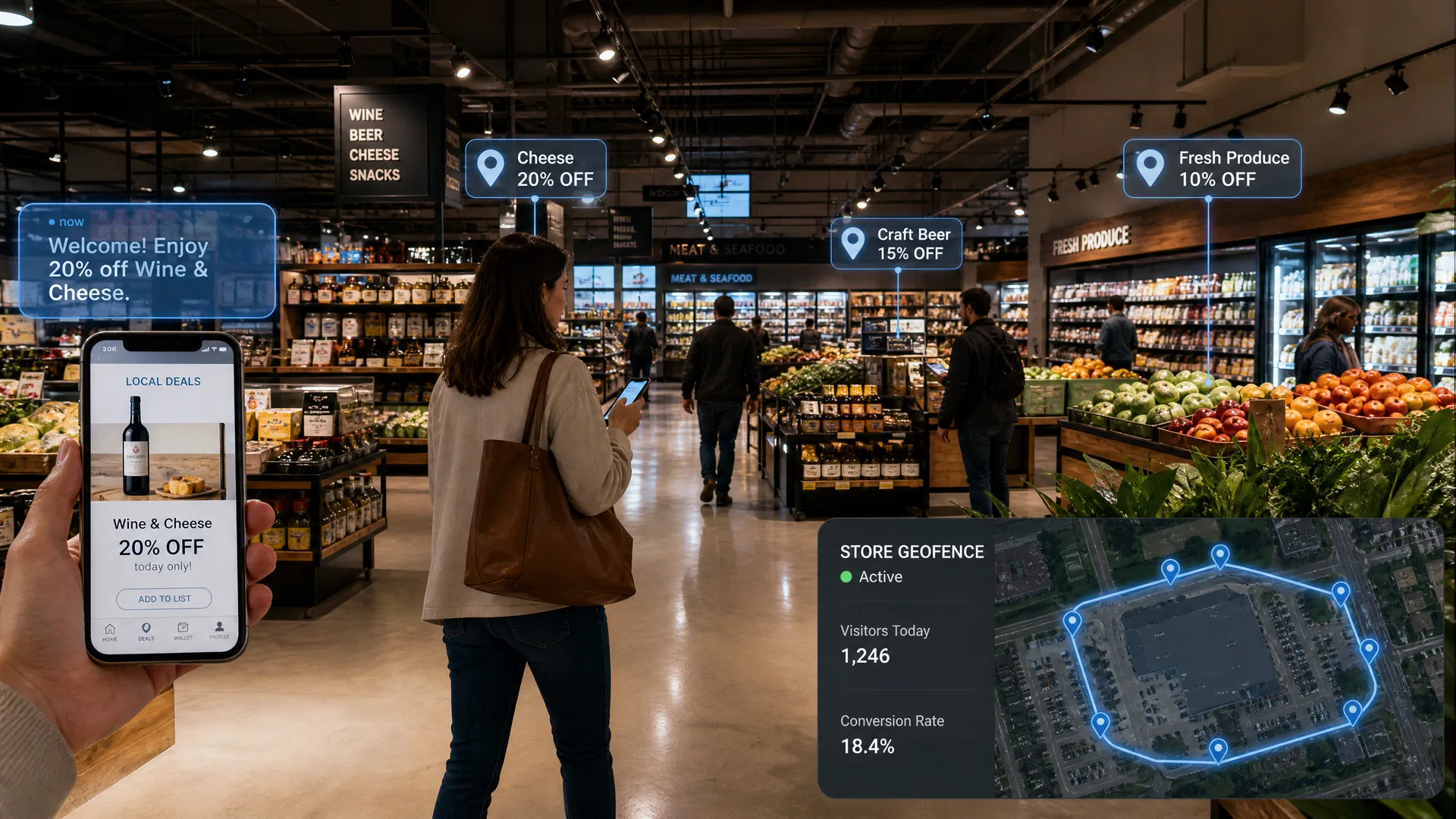
Geofencing solves this problem by identifying homeowners through their physical behavior: attending home shows (active research), visiting hardware stores (DIY consideration or project planning), living near competitor job sites (social proof and neighbor influence), and moving into new construction (immediate service needs).
Top Geofencing Locations for Solar and Home Improvement
Home Shows and Remodeling Expos
Home shows are the single best geofencing opportunity for home improvement companies. Attendees are homeowners who have taken time out of their weekend to research home improvement options — they are in active research mode with a defined project in mind. Geofencing home show venues and serving ads before, during, and after the event captures this high-intent audience across multiple touchpoints.
Hardware Stores and Home Centers
Homeowners who visit Home Depot, Lowe, and Menards are actively engaged in home improvement projects. They are researching materials, getting quotes, and planning work. Geofencing these locations reaches homeowners who are in the project planning phase — before they have committed to a contractor.
Competitor Job Sites
When a solar company or roofing contractor is working on a home, the neighbors notice. Geofencing active competitor job sites and serving ads to residents within 0.25-0.5 miles captures the neighbor effect — the well-documented phenomenon where home improvement projects spread through neighborhoods as homeowners see their neighbors upgrading.
New Construction Neighborhoods
New construction homes represent immediate opportunities for solar, HVAC, landscaping, smart home, and security system companies. New homeowners are making purchasing decisions about all of these services simultaneously, and they have not yet established relationships with local providers.
Solar-Specific Geofencing Strategy
Solar companies face a unique challenge: the consideration cycle is long (3-6 months from first interest to installation), the transaction value is high ($15,000-$35,000 average installation), and the decision involves multiple stakeholders (both homeowners in a household). Geofencing works best for solar as a top-of-funnel awareness and lead generation tool, with retargeting handling the longer nurture cycle.
The highest-performing solar geofencing tactic is targeting neighborhoods with high solar adoption rates — areas where 10%+ of homes already have solar panels. These neighborhoods have already overcome the social proof barrier, and neighbors of solar adopters are 4-6x more likely to install solar than the general population (Lawrence Berkeley National Laboratory, 2024).
Performance Benchmarks
| Tactic | Avg Cost Per Lead | Lead Quality | Avg Project Value |
|---|---|---|---|
| Home show geofencing | $25-$50 | Very High | $8,000-$35,000 |
| Hardware store targeting | $30-$65 | High | $3,000-$15,000 |
| Competitor job sites | $20-$45 | High | $5,000-$25,000 |
| Solar neighborhood targeting | $35-$70 | Medium-High | $15,000-$35,000 |