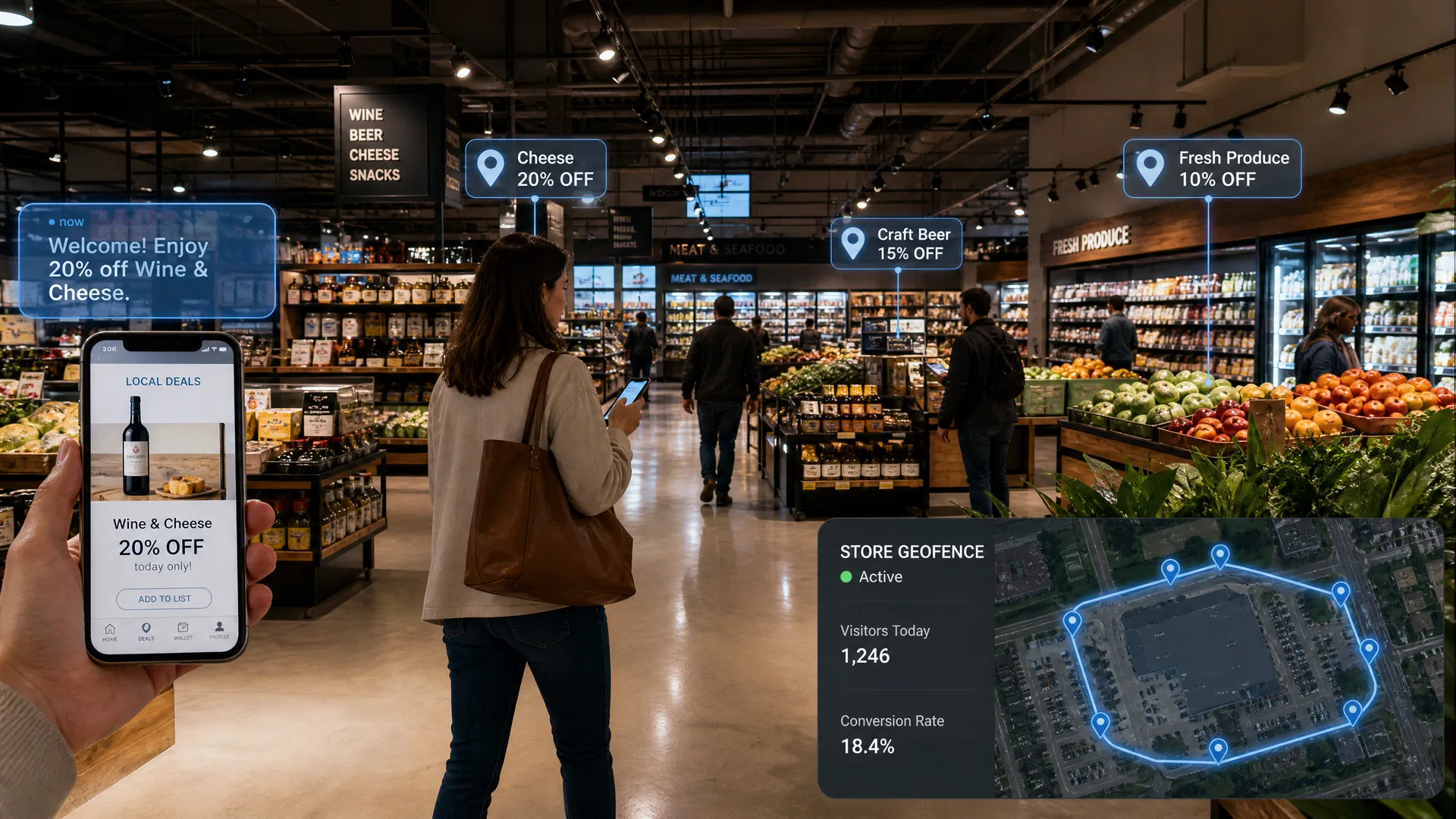

Municipal geofencing represents a powerful advancement in how local governments connect with their constituents, transforming traditional public outreach into a precise, data-informed strategy. When cities and towns need to increase attendance at vital town hall meetings and public hearings, relying solely on static website notices or traditional print media often falls short of engaging modern citizens. By leveraging privacy-safe location intelligence, municipal leaders can deliver timely, relevant announcements directly to mobile users currently residing or working within specific geographic perimeters.
Engaging citizens on local tax policies, zoning changes, and infrastructure budgets requires overcoming widespread civic apathy and busy modern schedules. Traditional advertising methods struggle to capture attention because they lack geographic and contextual relevance. In contrast, public sector location targeting ensures that important civic announcements reach the exact neighborhoods and commercial districts most directly impacted by pending municipal legislation.
Why Traditional Civic Outreach Falls Short
For decades, local governments depended on local newspapers, bulletin boards, and passive website postings to inform the public about upcoming public hearings. Unfortunately, newspaper readership has plummeted, and few citizens routinely check city hall websites unless they are actively seeking a permit. This communication gap often leads to low town hall attendance, followed by public surprise when local ordinances are enacted.
Furthermore, broad broadcast campaigns waste taxpayer dollars by serving ads to entire metropolitan areas when only specific district residents are affected. Municipal geofencing solves this inefficiency by enabling hyper-targeted awareness campaigns that respect both public budgets and constituent convenience.
Core Strategies for Municipal Geofencing
1. Strategic Perimeter Targeting Around Civic Hubs
By establishing virtual boundaries around community centers, public libraries, and major transit corridors, local agencies can remind commuting residents about upcoming evening town hall discussions. These campaigns utilize event geofencing principles to capture audience attention during natural pauses in their daily routines, encouraging them to participate in local governance.
2. Neighborhood-Specific Impact Campaigns
When proposed infrastructure projects or zoning amendments affect specific neighborhoods, agencies can draw custom polygons around those exact geographic areas. This ensures that only residents whose property values or daily commutes are directly affected receive informational notices, maximizing relevance and minimizing notification fatigue.
3. Measuring Engagement Through Attribution
Evaluating the effectiveness of public communication has historically been challenging for local governments. Modern campaigns incorporate advanced foot-traffic attribution to measure the direct correlation between digital awareness ads and physical check-ins or attendance counts at municipal facilities.
Related Industry Pages
Ensuring Strict Compliance and Privacy
Public sector agencies face rigorous legal standards regarding data collection and citizen privacy. Ethical geofencing campaigns for municipal governments operate strictly on anonymized, aggregated device signals without collecting personally identifiable information. Adhering to these strict privacy guardrails protects civil liberties while fostering community trust.
Getting Started
Modernizing municipal outreach strengthens local democracy by empowering informed participation. To learn how your agency can implement secure location-based civic engagement campaigns, Request a free government geofencing strategy session today.