Geofencing marketing is one of the most precise and powerful forms of digital advertising available today. Here's how it works — and why it delivers results that traditional digital tactics simply can't match.
The Process, Step by Step
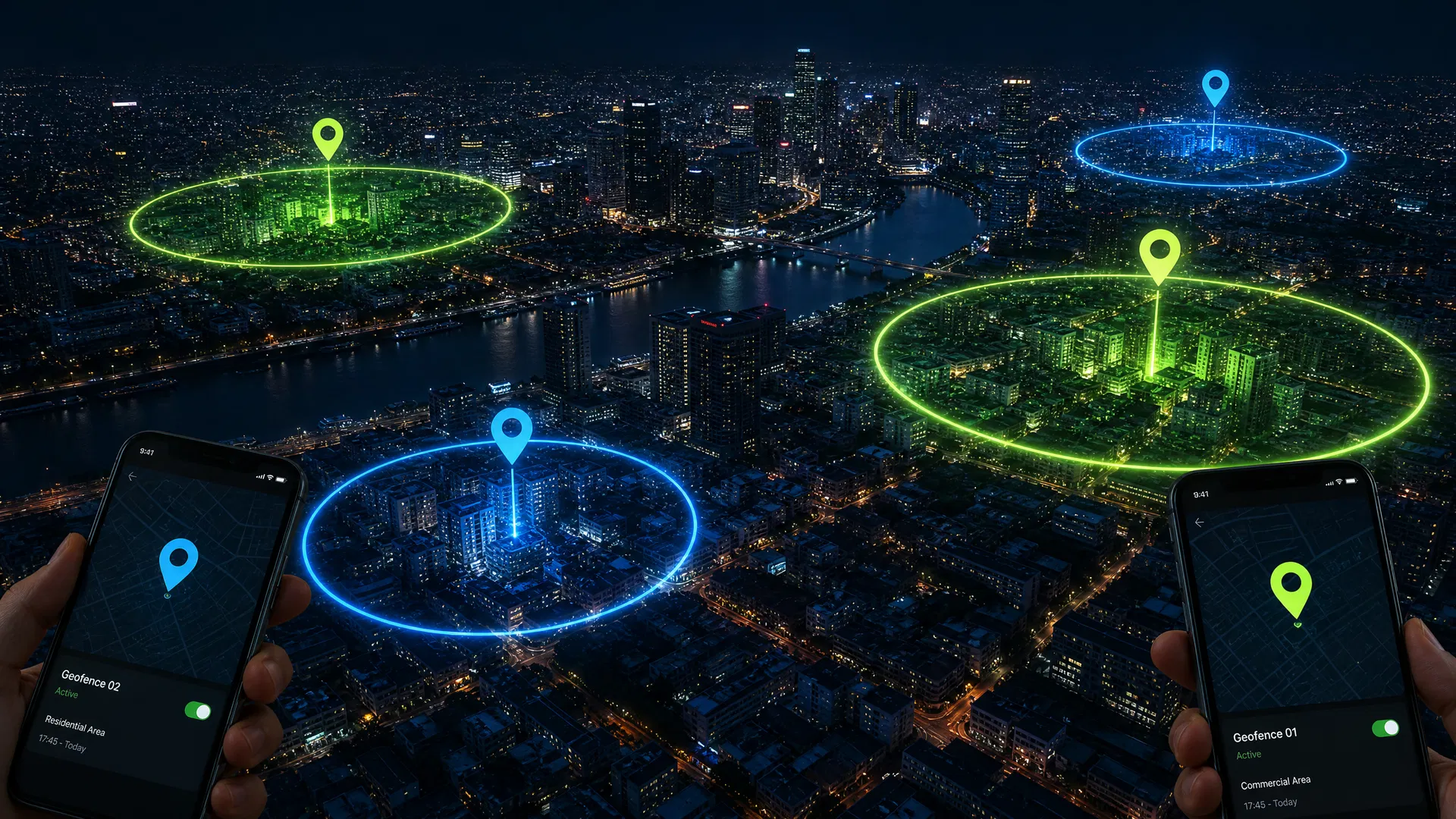
The process begins by creating geofences around places that your customers frequently visit — stores, restaurants, stadiums, zip codes, or cities. Your ads serve inside those geofences, reaching your audience at the most relevant moment: when they're physically present at a location that signals intent.
But geofencing doesn't stop when someone leaves the fence. Using mobile ID capture, you can continue serving ads to those same individuals after they've left — reaching them at home, at work, or on the go. This retargeting capability is what separates modern geofencing from simple location-based advertising.
What Makes It Different
- Precision — Target specific buildings, store sections, or event venues rather than broad zip codes or DMAs
- Intent signals — Physical presence at a location is one of the strongest indicators of purchase intent available in digital advertising
- Cross-device reach — Ads follow your audience across all their devices, not just the phone they had in the geofence
- Measurable outcomes — Foot traffic attribution reports show exactly how many ad-exposed users visited your location after seeing your campaign
Who It Works For
Geofencing marketing works for virtually any business with a physical location or a competitor with a physical location. Car dealerships, medical practices, law firms, retailers, event venues, restaurants, and recruiting teams have all seen strong results. If your customers go somewhere before they buy — geofencing can reach them there.