Campground geofencing represents one of the most innovative yet underutilized customer acquisition strategies for modern recreational vehicle dealerships. Traditional advertising reaches consumers while they sit on their couches or browse social media feeds. In contrast, geofencing regional campgrounds, state parks, and private RV resorts allows dealerships to connect with consumers while they are actively immersed in the outdoor lifestyle. To understand how location-based data architecture powers these hyperlocal campaigns, review our guide on what is geofencing and mobile device tracking standards.
For RV dealerships, the greatest pool of potential buyers is not sitting at home searching Google—it is sitting around campfires across regional parks, often experiencing the limitations of older equipment firsthand. Whether dealing with cramped sleeping quarters, outdated appliances, or towing fatigue, campers in the field are prime candidates for an equipment upgrade.
The Psychology of Reaching Campers in Their Element
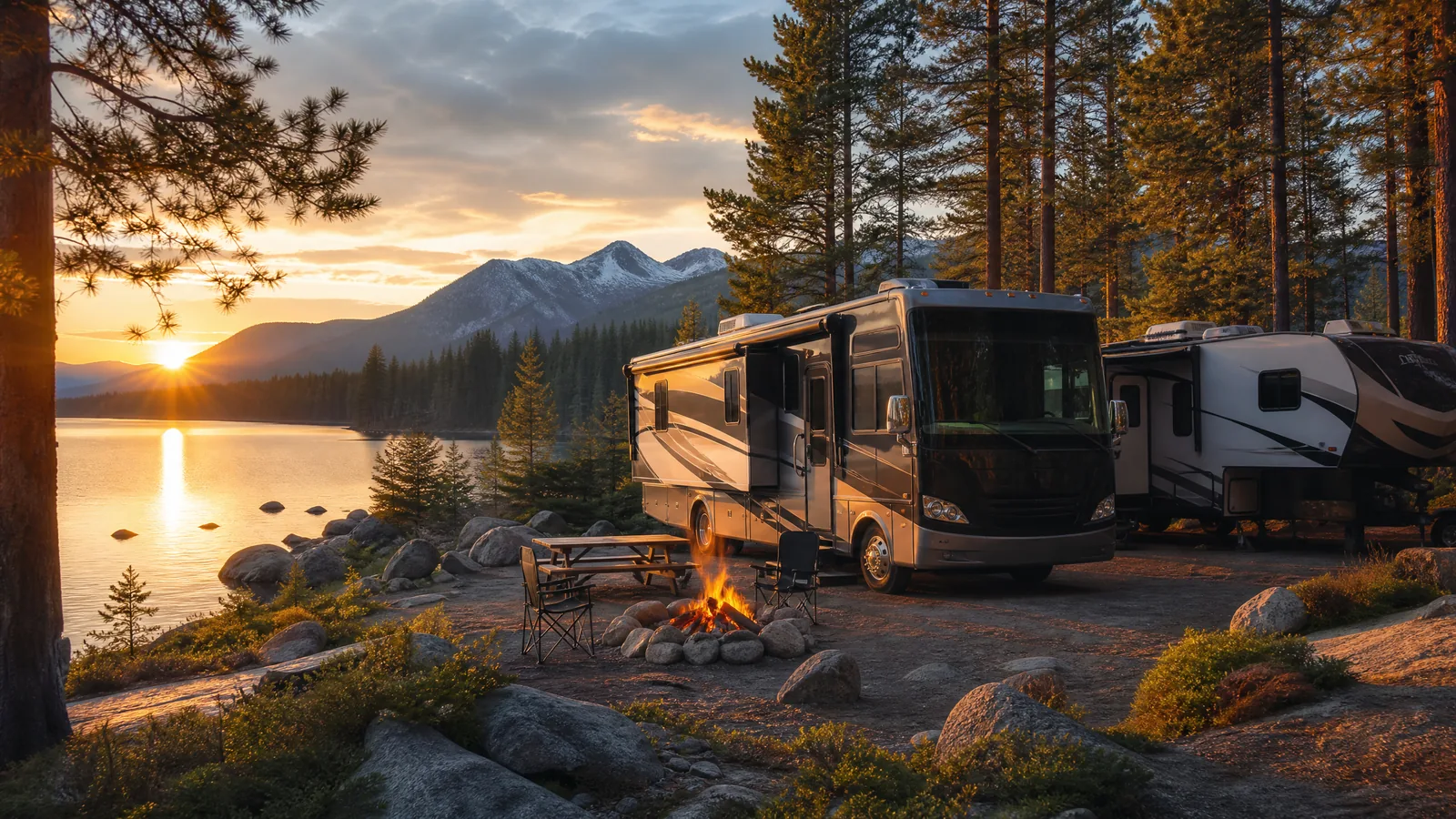
Marketing effectiveness heavily depends on contextual relevance. When an outdoor enthusiast is spending a weekend at a scenic state park or private resort, their mindset is entirely focused on recreation, relaxation, and adventure. Delivering targeted mobile advertisements during this exact window creates a powerful psychological resonance that static billboard ads simply cannot match.
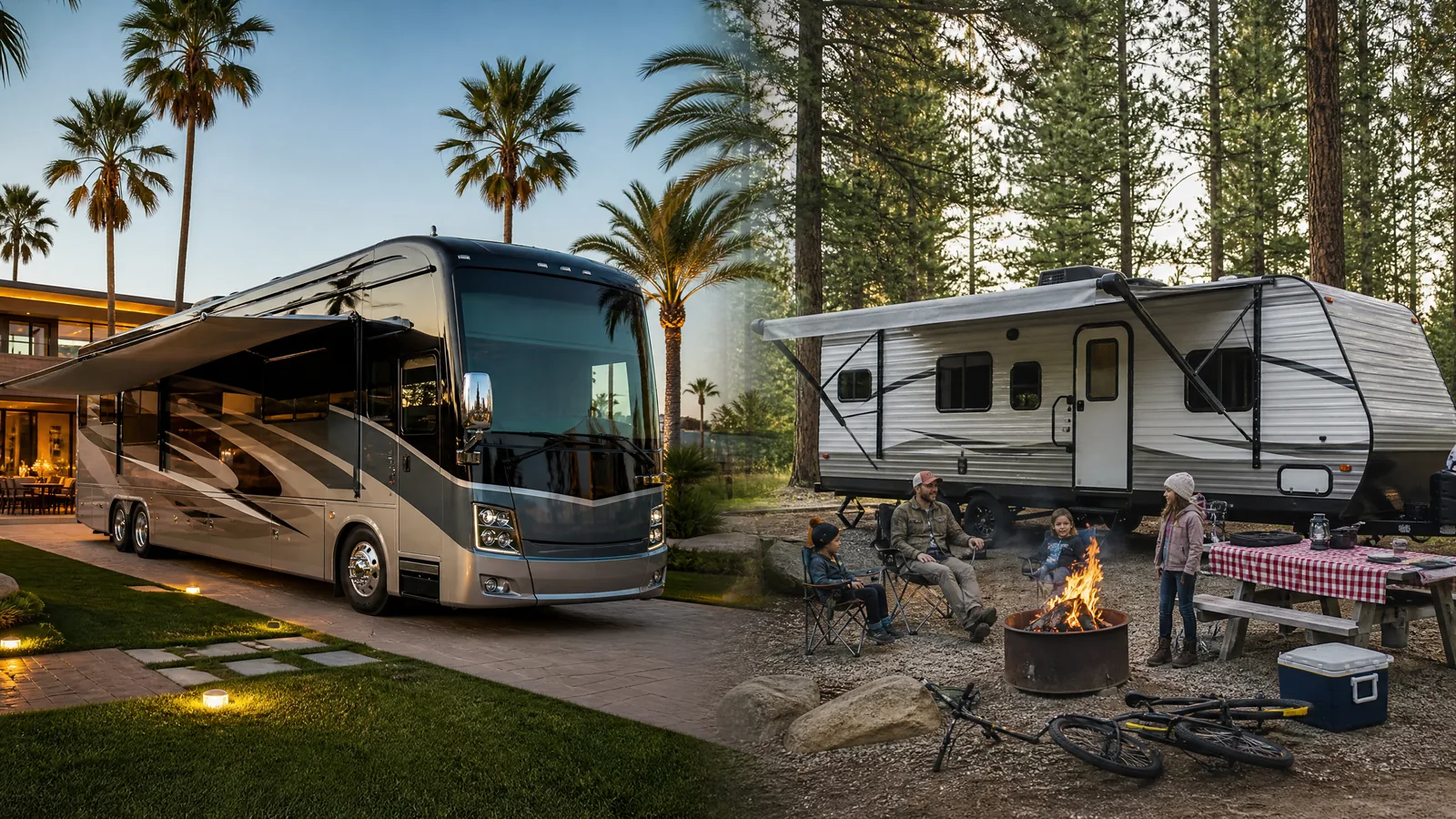
Furthermore, many campers observe neighboring sites with newer, more luxurious motorhomes or spacious fifth wheels, sparking natural curiosity and upgrade aspirations. By establishing digital perimeters around popular regional campgrounds, dealerships can capture these device IDs and deliver inspiring creative content highlighting modern floorplans and luxury amenities.
Consider a family spending a chilly autumn weekend in a pop-up tent trailer at a state park. As temperatures drop and packing gear becomes cumbersome, their desire for a climate-controlled travel trailer with an indoor bathroom and comfortable mattress intensifies. Delivering targeted mobile video ads highlighting modern towable convenience right to their devices while they are experiencing campground friction creates an exceptionally high conversion probability.
Beyond capturing immediate weekend campers, campground geofencing builds a persistent seed audience of verified outdoor recreation enthusiasts. Because these consumers repeatedly visit state parks and private resorts throughout the spring, summer, and fall seasons, their location footprints confirm genuine hobbyist behavior rather than random transient traffic.
Integrating this data with advanced addressable geofencing allows dealerships to translate campground device IDs into physical household postal addresses. This enables multi-channel marketing campaigns combining mobile video ads, connected TV commercials, and direct mail catalogs delivered straight to the camper's home address after their trip.
Additionally, modern dealerships can leverage lead generation geofencing around campground visitor centers and registration offices to capture immediate digital inquiries from campers actively seeking local dealership recommendations or seasonal maintenance assistance.
Related Industry Pages
Core Strategies for Campground Geofencing Campaigns
Executing an effective campground targeting initiative requires precise planning, compliance adherence, and sophisticated audience refinement.
1. Mapping Regional Parks and Private Resorts
Dealers collaborate with digital strategists to map accurate polygonal boundaries around high-volume state parks, national forest campgrounds, and premium private RV resorts within a 150-mile radius of the dealership showroom. Capturing devices during weekend stays creates an elite seed audience of proven outdoor enthusiasts.
2. Integrating Addressable Household Matching
To maximize engagement beyond mobile device screens, advanced campaigns integrate addressable geofencing protocols. By translating campground device IDs into physical household postal addresses, dealerships can deploy direct mail pieces and connected TV (CTV) commercials to the camper's home address once the weekend trip concludes.
3. Capturing Competitor Campground Visitors
Many regional dealers also incorporate competitor geofencing around rival dealership lots and service centers, ensuring comprehensive coverage across both outdoor recreation sites and retail competitor rooftops.
Nurturing Campaigns Across Off-Season Months
Campground geofencing is not limited to active weekend trips. Once device IDs are captured during summer and fall camping excursions, dealerships can deploy long-term nurturing sequences throughout the winter months. By showcasing winterization guides, indoor RV show invitations, and spring pre-order incentives, dealerships stay top-of-mind when consumers begin planning their next season of outdoor adventure.
Measuring Return on Investment
Campground geofencing campaigns eliminate guesswork through rigorous attribution modeling. By tracking whether devices captured at regional campgrounds subsequently appear at the dealership lot using foot traffic attribution, marketing directors can calculate precise cost-per-visit and revenue return metrics.
Advanced Analytics and Conversion Optimization in RV Dealership Geofencing
Modern location-based advertising goes far beyond simple device ID collection and basic ad serving. To maximize return on ad spend (ROAS) and achieve sustained competitive advantage in the recreational vehicle sector, dealerships must implement rigorous conversion rate optimization (CRO) and attribution analytics. When a prospective buyer enters a geofenced campground, competitor lot, or trade show exhibition, their digital footprint initiates a multi-touch attribution sequence that requires careful data orchestration across mobile platforms, connected television networks, and CRM sales pipelines.
One of the most critical components of advanced geofencing execution is real-time audience feedback loops. As mobile users interact with targeted video ads and display banners following a location visit, machine-learning algorithms analyze engagement patterns, click-through rates, and video completion metrics. This behavioral data allows marketing teams to dynamically adjust creative messaging—shifting emphasis from family-focused towable features to luxury motorhome amenities depending on which specific inventory categories resonate most with the captured audience segment.
Furthermore, integrating offline foot traffic attribution with customer relationship management (CRM) systems empowers dealership sales managers to track individual lead journeys from initial geofence capture to final showroom purchase. When a visitor walks onto your dealership lot after having been exposed to a geofencing campaign weeks prior, the attribution platform logs an offline conversion event. Sales consultants can then review the prospect's location history and engagement touchpoints, enabling personalized sales conversations that address specific vehicle interests and financing questions.
As digital privacy standards and mobile advertising frameworks continue to evolve, relying on deterministic, consented location data provided by specialized geofence marketing agencies ensures long-term campaign stability and compliance. By combining precise polygonal mapping, multi-channel retargeting, and sophisticated attribution modeling, RV dealerships can confidently scale their digital marketing budgets and capture high-margin buyers throughout every season of the year.
Getting Started
Unlocking the full potential of outdoor enthusiast marketing requires partnering with experienced digital geofencing experts who understand the nuances of the recreational vehicle industry. Request a free RV dealership geofencing strategy session today to discuss custom campground targeting programs for your showroom.