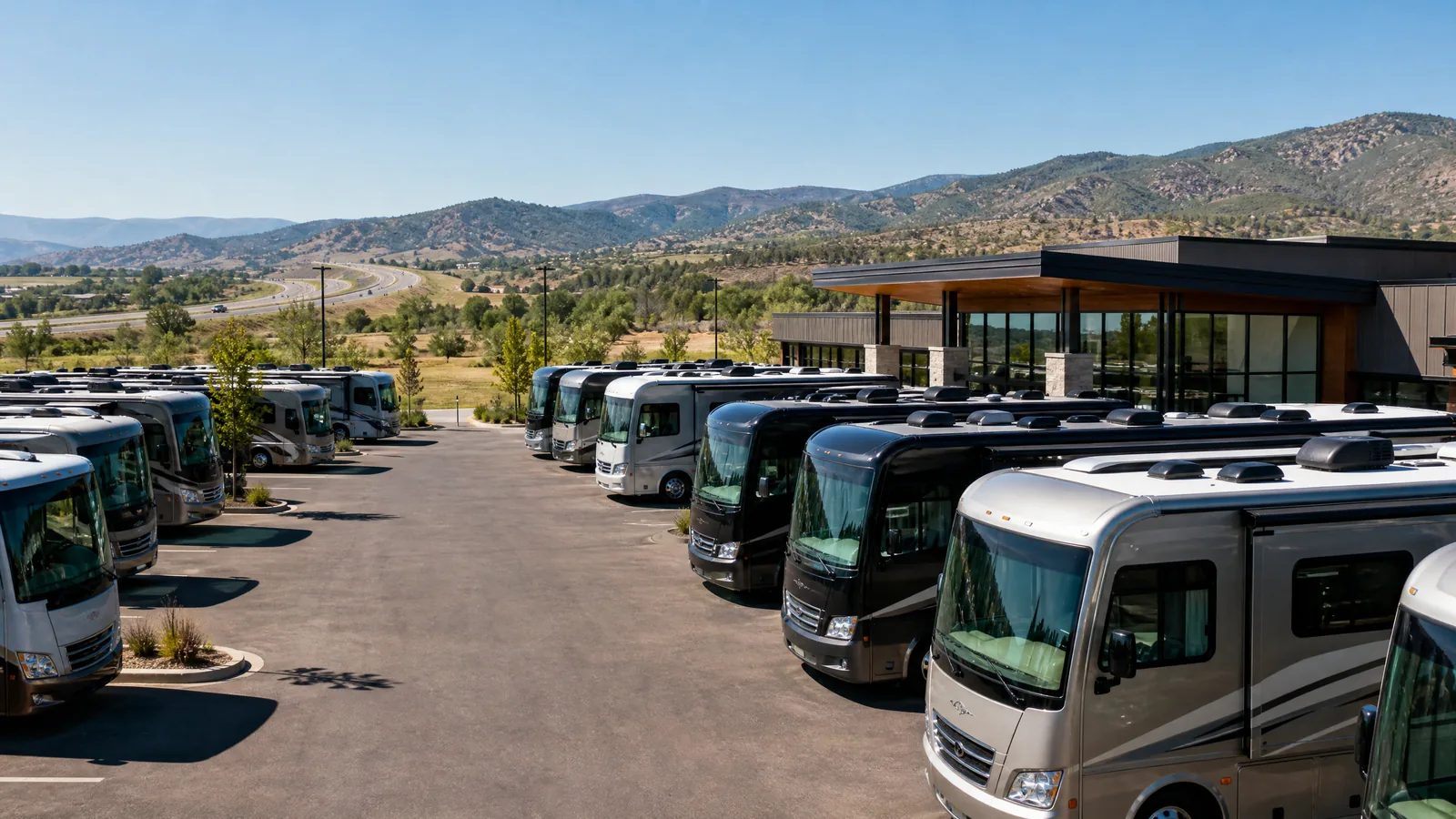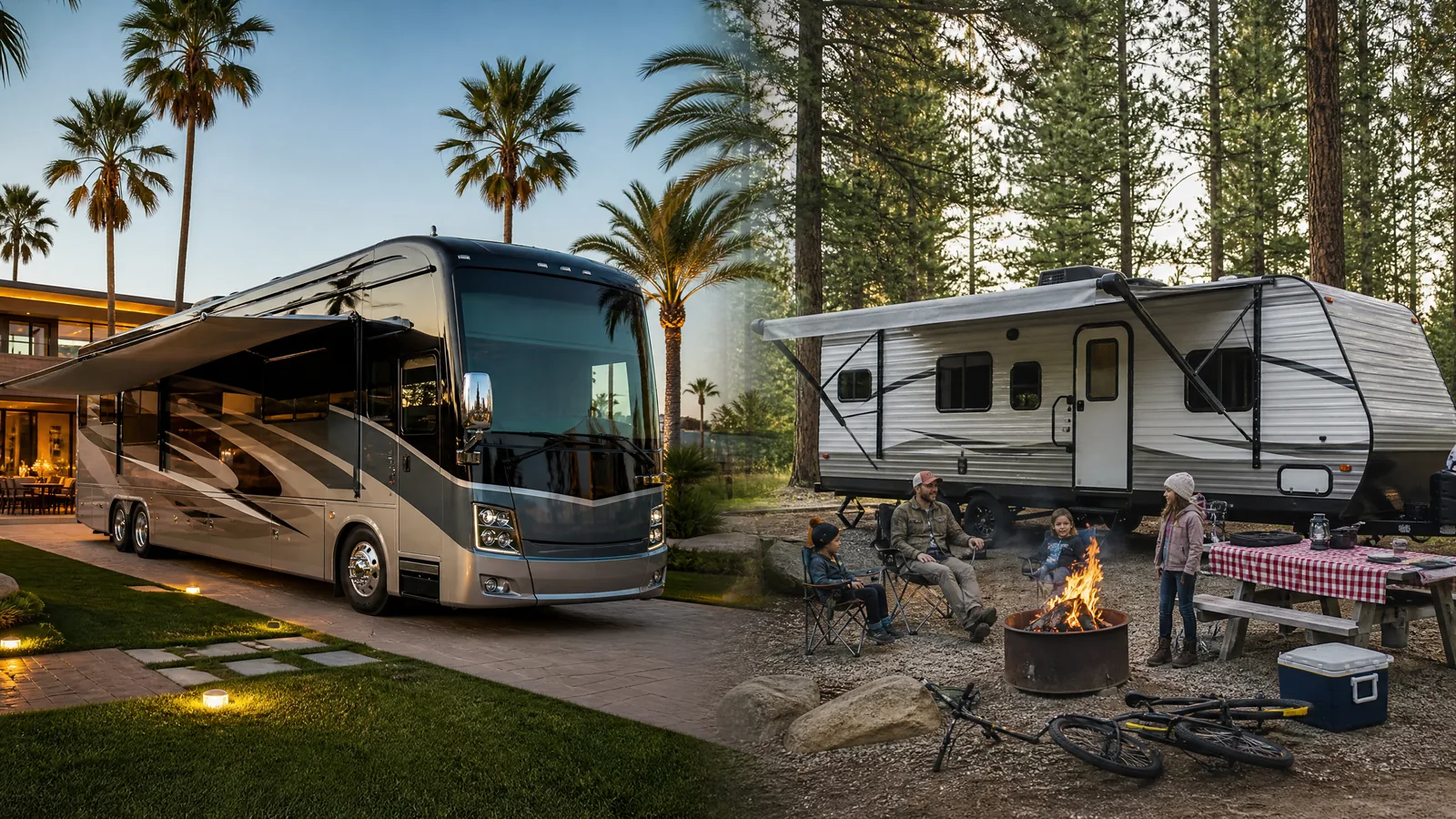
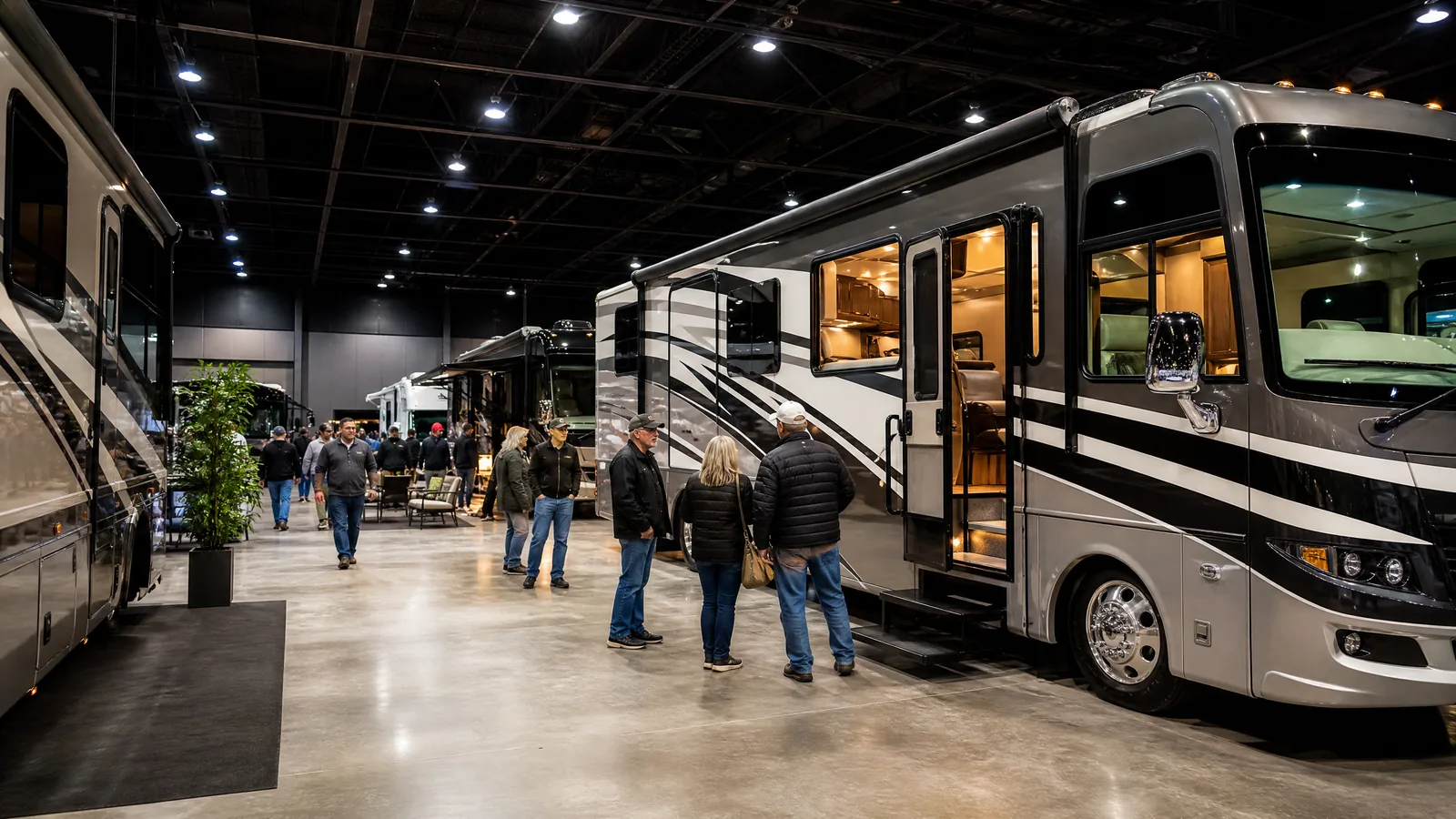
Rv show geofencing has fundamentally transformed how modern recreational vehicle dealerships acquire high-intent buyers, turning massive convention center gatherings into long-term sales pipelines. When regional consumer RV shows take place, thousands of passionate camping enthusiasts gather under one roof to compare motorhomes, travel trailers, and fifth wheels. By deploying precision digital perimeters around these convention centers, forward-thinking dealerships can capture device identifiers of everyone in attendance and engage them long after they return home. To understand the foundational mechanics behind these location-based campaigns, review our guide on what is geofencing and how modern mobile advertising SDKs capture precise location data.
For decades, RV dealers relied on expensive print brochures, local television spots, and billboard advertising to drive traffic during peak show season. While traditional media creates general brand awareness, it offers zero ability to track who attended the show, what specific vehicle classes they inspected, or whether they eventually visited your showroom lot. Precision geofencing bridges this gap by replacing guesswork with deterministic mobile device intelligence.
Why Traditional RV Show Marketing Falls Short
Major RV and boat exhibitions attract tens of thousands of visitors over a three-to-four-day weekend. Dealers invest substantial capital renting booth space, transporting inventory fleet models, and staffing sales teams. However, relying solely on walk-up inquiries at a trade show booth is inherently limiting. Many serious buyers browse quietly, collect brochures, and leave without speaking to a sales representative. Without event-based digital tracking, those valuable prospects vanish into the crowd forever.
Furthermore, buying an RV is rarely an impulsive weekend purchase. The consumer consideration cycle often spans three to twelve months, involving extensive online research, floorplan comparisons, and family discussions. A standard trade show appearance only captures a fleeting moment in that extended journey. This is where specialized event geofencing strategies become indispensable for regional dealerships aiming to dominate their local market.
Consider the typical consumer journey at a regional RV exposition. A family from three hours away spends Saturday walking through dozens of Class A motorhomes and luxury fifth wheels. They take photos, discuss layouts, and converse with factory representatives. By Sunday evening, they drive home. Without location-based tracking, the local dealership hosting a booth at that show has no way of reaching that family again. Event geofencing solves this exact dilemma by capturing consented device IDs during their time on the exhibition grounds.
Related Industry Pages
The Multi-Phase RV Show Geofencing Playbook
Executing a successful RV show campaign requires a structured, multi-phase methodology that engages prospects before, during, and long after the exhibition doors close.
1. Pre-Show Perimeter Setup and Awareness
Before the exhibition begins, digital architects map exact polygonal boundaries around the convention halls, parking structures, and outdoor staging areas. While ads cannot be served while users are inside restricted historical or exclusion zones depending on platform policies, building the geofence allows continuous data logging of consented device IDs as visitors dwell within the exhibition footprint throughout the weekend.
2. Post-Event Retargeting Across Digital Channels
The true power of event geofencing emerges once attendees leave the venue. The captured device IDs enter a dedicated retargeting audience pool. Over the subsequent 60 to 90 days, these prospects receive targeted video ads, mobile banner creatives, and social placements showcasing your dealership's inventory, financing specials, and customer service guarantees. To amplify this competitive advantage, many dealers pair event capture with competitor geofencing around rival dealer lots across the region.
3. Measuring Showroom Conversions Through Foot Traffic Attribution
Measuring digital marketing ROI in the RV industry has historically been challenging. Modern geofencing platforms solve this by integrating foot traffic attribution models. When a device that was present at the RV show subsequently enters your dealership lot weeks later, the system records an offline conversion, proving exact campaign effectiveness.
Advanced Audience Filtering and Behavior Modeling
Not everyone walking through an RV exposition is an immediate buyer. Some attendees are children, casual sightseers, or industry competitors. To maximize advertising efficiency, modern geofencing platforms utilize machine learning algorithms and dwell time filtering. By analyzing how long a device remains stationary within specific manufacturer displays or luxury motorhome booths, algorithms separate casual spectators from high-intent buyers.
Furthermore, behavioral data layers can be integrated to assess household income indicators, home ownership status, and creditworthiness. This ensures that your dealership's ad spend is directed exclusively toward qualified prospects who possess the financial capacity to purchase high-ticket recreational vehicles.
Case Study: Regional Motorhome Dealer Generates 4.2x ROI
A multi-location RV dealer in the Midwest deployed an advanced event geofencing campaign during a major four-day regional RV expo. By capturing attendees and retargeting them across mobile apps and connected TV for 75 days post-event, the dealership tracked 142 verified physical showroom visits and 22 closed motorhome and travel trailer sales, yielding a verified 4.2x return on ad spend.
Getting Started with RV Show Geofencing
Implementing a robust location-based marketing strategy ensures your dealership never misses another high-intent prospect at regional exhibitions or industry showcases. By combining precise device ID capture with multi-month retargeting and offline visit attribution, your sales team can convert convention curiosity into profitable showroom revenue. Request a free RV dealership geofencing strategy session to discover how Mediavision2020 can elevate your dealership's advertising ROI.