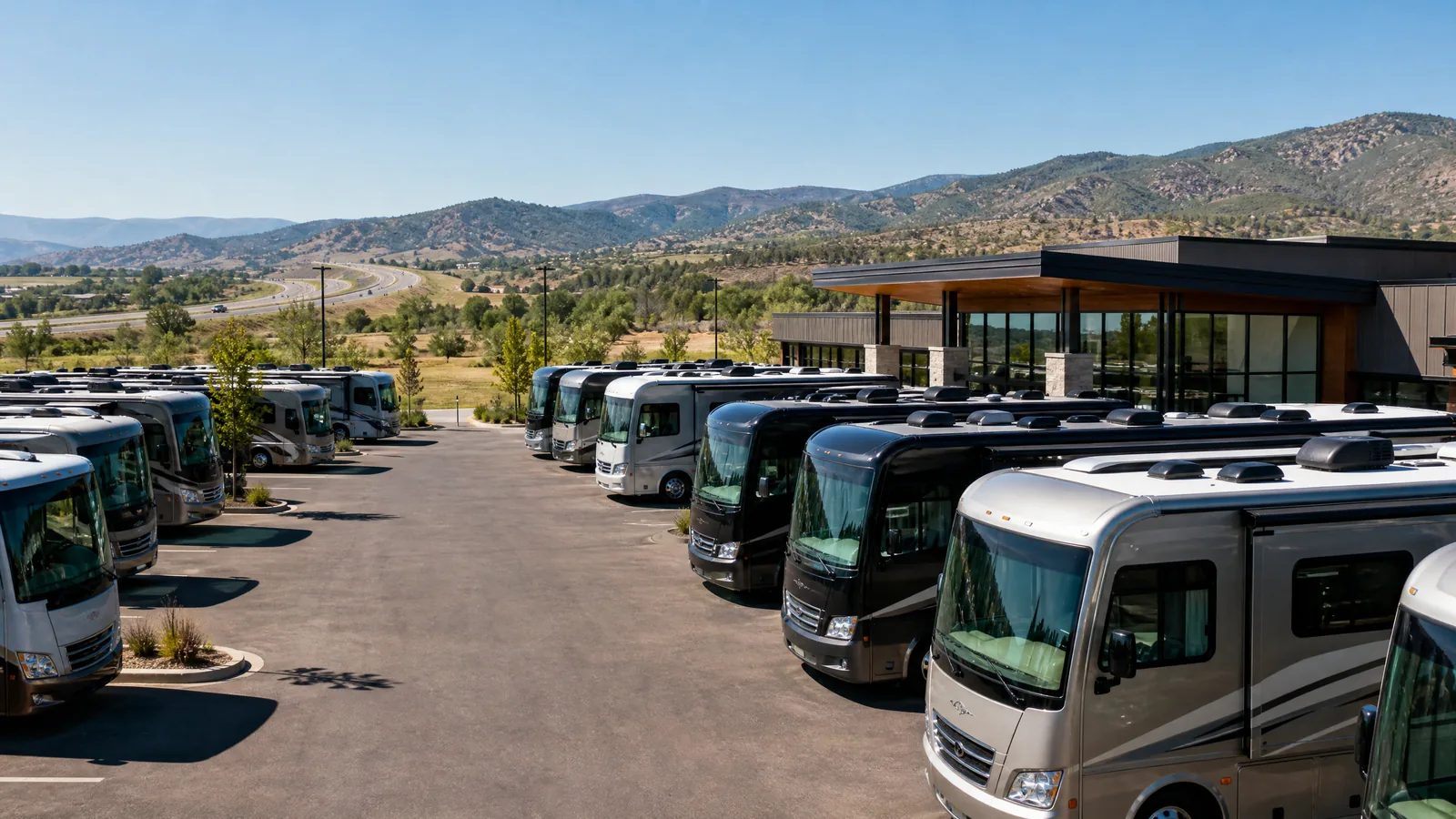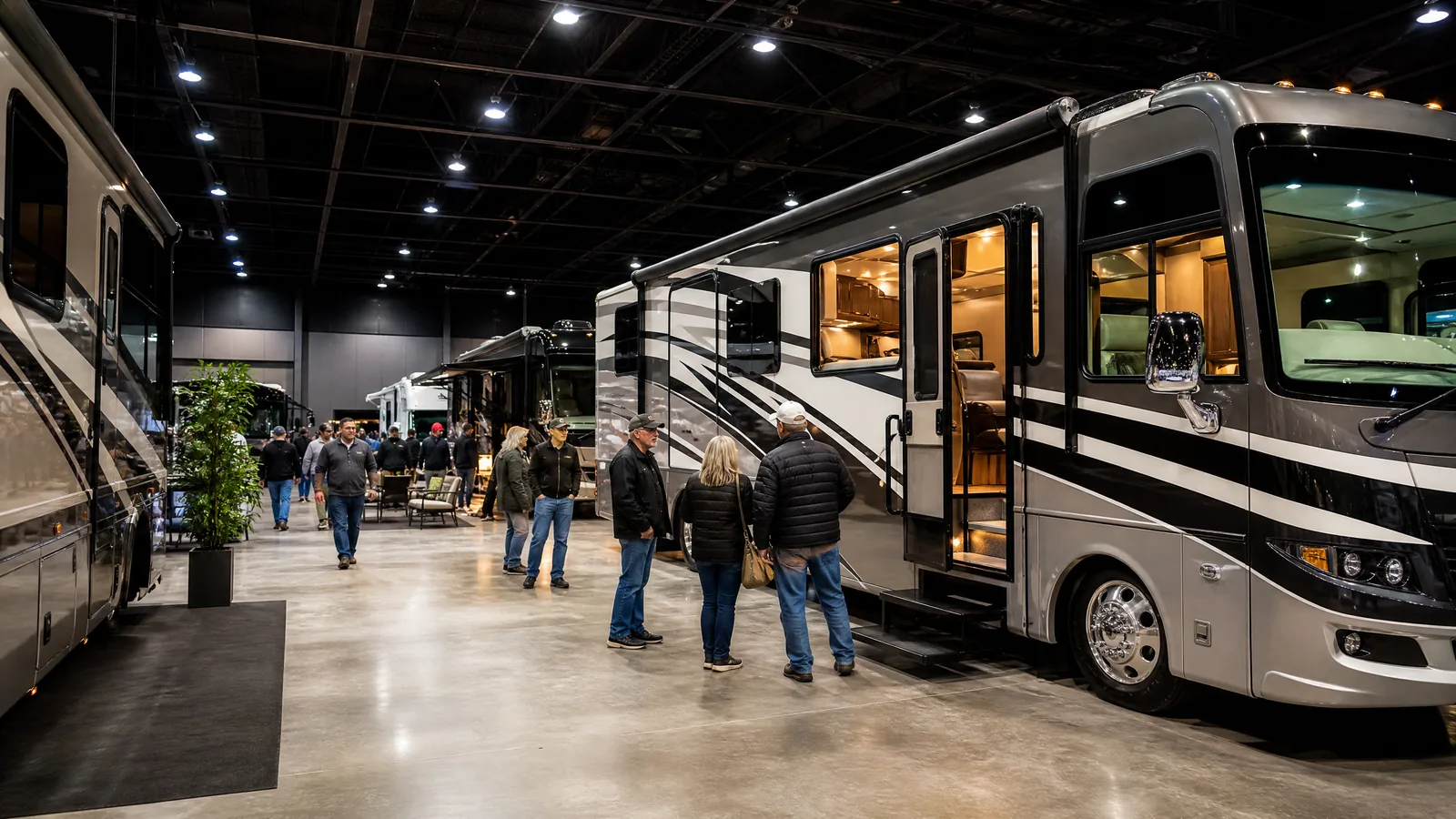
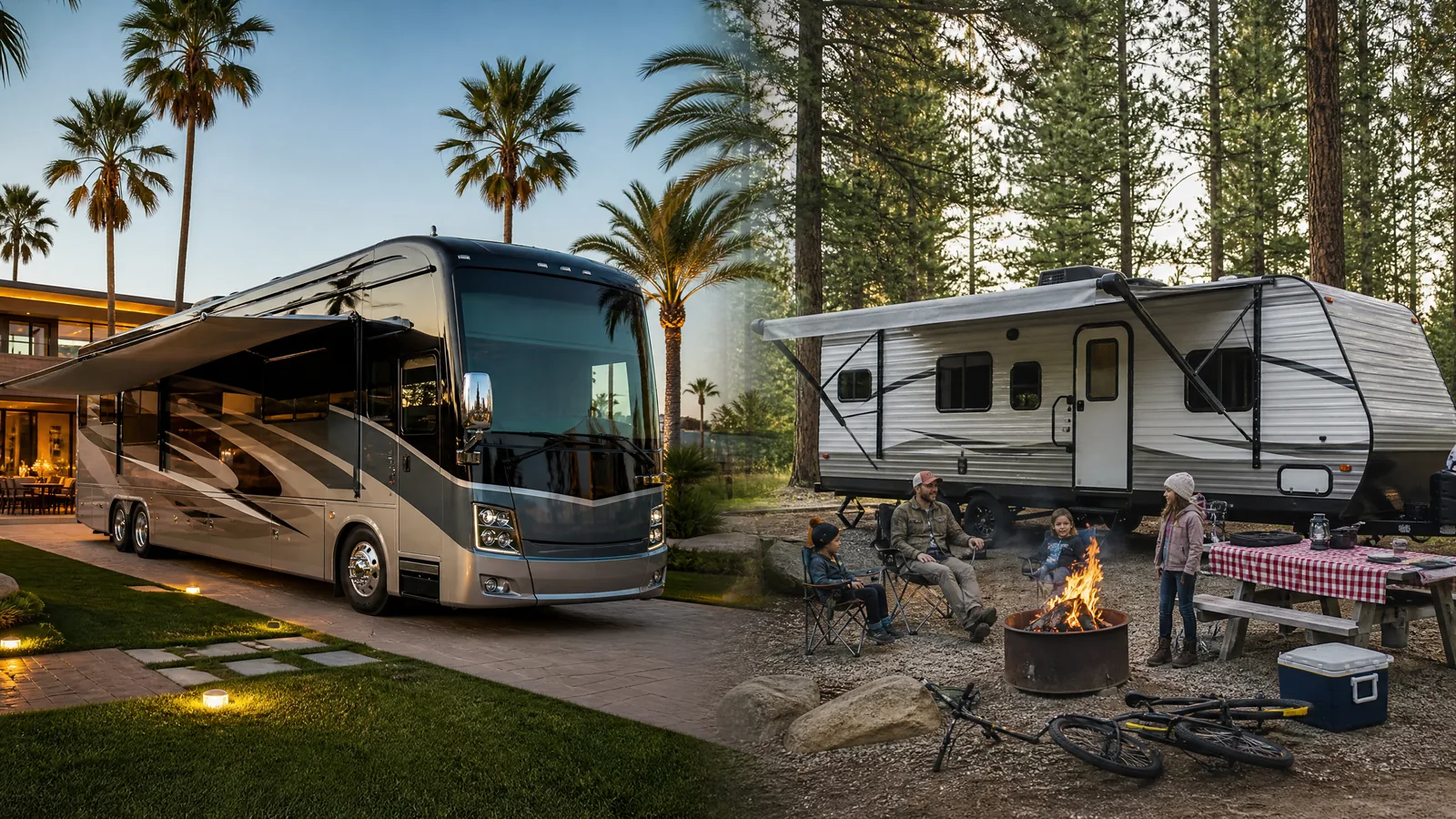
Motorhome geofencing marketing must be meticulously tailored to match the unique buyer personas within the recreational vehicle marketplace. A consumer shopping for a $300,000 Diesel Pusher motorhome exhibits vastly different behaviors, income levels, and lifestyle patterns than a young family shopping for a $15,000 lightweight travel trailer. Successful digital advertising in the RV sector requires recognizing these fundamental distinctions and deploying bespoke geofencing strategies for each inventory tier. To understand how location intelligence captures these distinct audience segments, review our overview on what is geofencing.
Treating all RV shoppers as a monolithic audience is a primary reason many dealership marketing campaigns underperform. Broad broadcast ads waste advertising capital on unqualified viewers. By leveraging advanced demographic data overlays and precision location mapping, dealerships can target luxury buyers and towable buyers in completely different physical environments.
Targeting Luxury Motorhome Buyers: Precision & Affluence
High-end Class A, Class B, and Super C motorhomes represent significant financial investments. Buyers in this category are typically affluent retirees or successful business owners who value uncompromising quality, exceptional customer service, and absolute comfort during long-term travel.
To reach this elite demographic, geofencing perimeters must be established around premium locations where high-net-worth individuals spend time. This includes private country clubs, upscale golf courses, premier yacht marinas, executive airport private aviation terminals, and affluent residential master-planned communities. When paired with addressable geofencing around top-tier neighborhoods, dealerships can ensure their luxury inventory reaches households with verified discretionary wealth.
The messaging for luxury motorhome buyers must reflect sophistication. Ads should highlight custom Cummins diesel engines, Spartan chassis engineering, residential appliances, heated tile flooring, and bespoke interior wood cabinetry. High-end buyers are not looking for budget bargains; they are investing in an uncompromising lifestyle of freedom and comfort.
Furthermore, dealerships can deploy specialized lead generation geofencing during exclusive VIP showcase events or private owner rallies to capture high-net-worth attendees and route them instantly to senior executive sales consultants.
Analyzing competitor showrooms through targeted competitor geofencing also helps dealerships identify luxury buyers currently browsing rival high-end inventory, allowing for immediate conquest ad deployment across digital channels.
To ensure maximum Return on Ad Spend (ROAS) across luxury tiers, digital strategists incorporate household income verifications and net-worth profiling models into the device ID collection pipeline, eliminating unqualified mobile traffic.
Related Industry Pages
Targeting Travel Trailer & Toy Hauler Buyers: Active Families
In contrast, travel trailers, pop-up campers, and toy haulers appeal heavily to active families, outdoor sports enthusiasts, and younger demographics seeking affordable weekend getaways. Their purchasing decisions are driven by value, tow vehicle compatibility, family sleeping configurations, and storage practicality.
Geofencing campaigns for towable RVs focus on outdoor retail centers, regional state parks, family campgrounds, youth sports complexes, and home improvement warehouse parking lots where truck and SUV owners frequently shop. Furthermore, incorporating lead generation geofencing during local weekend sales events helps capture immediate family interest.
Creative messaging for towables emphasizes lightweight aerodynamics, bunkhouse sleeping capacity, outdoor kitchens, and affordable financing options. Families want to visualize weekend camping trips with their children, making emotional storytelling vital to ad success.
Analyzing Competitor Overlap and Conquesting
Regardless of price tier, understanding where competitors draw their traffic is essential. Many regional dealers utilize competitor geofencing around rival lots to intercept shoppers comparing models across dealerships.
Measuring Lot Visit Lift
To verify campaign effectiveness, dealerships rely on foot traffic attribution to measure physical showroom visits generated by each distinct audience segment.
Advanced Analytics and Conversion Optimization in RV Dealership Geofencing
Modern location-based advertising goes far beyond simple device ID collection and basic ad serving. To maximize return on ad spend (ROAS) and achieve sustained competitive advantage in the recreational vehicle sector, dealerships must implement rigorous conversion rate optimization (CRO) and attribution analytics. When a prospective buyer enters a geofenced campground, competitor lot, or trade show exhibition, their digital footprint initiates a multi-touch attribution sequence that requires careful data orchestration across mobile platforms, connected television networks, and CRM sales pipelines.
One of the most critical components of advanced geofencing execution is real-time audience feedback loops. As mobile users interact with targeted video ads and display banners following a location visit, machine-learning algorithms analyze engagement patterns, click-through rates, and video completion metrics. This behavioral data allows marketing teams to dynamically adjust creative messaging—shifting emphasis from family-focused towable features to luxury motorhome amenities depending on which specific inventory categories resonate most with the captured audience segment.
Furthermore, integrating offline foot traffic attribution with customer relationship management (CRM) systems empowers dealership sales managers to track individual lead journeys from initial geofence capture to final showroom purchase. When a visitor walks onto your dealership lot after having been exposed to a geofencing campaign weeks prior, the attribution platform logs an offline conversion event. Sales consultants can then review the prospect's location history and engagement touchpoints, enabling personalized sales conversations that address specific vehicle interests and financing questions.
As digital privacy standards and mobile advertising frameworks continue to evolve, relying on deterministic, consented location data provided by specialized geofence marketing agencies ensures long-term campaign stability and compliance. By combining precise polygonal mapping, multi-channel retargeting, and sophisticated attribution modeling, RV dealerships can confidently scale their digital marketing budgets and capture high-margin buyers throughout every season of the year.
Getting Started
Customizing your geofencing strategy by vehicle class ensures maximum advertising efficiency and higher closing rates. Request a free RV dealership geofencing strategy session to design tiered campaigns tailored to your specific motorhome and towable inventory.