Sporting goods store geofencing represents an elite top-of-funnel strategy for recreational vehicle dealerships seeking to engage future buyers long before they ever set foot on a dealership lot. Most traditional marketing efforts focus exclusively on in-market shoppers who are actively comparing motorhomes today. However, the most successful dealers understand that capturing consumers earlier in their outdoor recreation journey—while they are purchasing tents, sleeping bags, and camping accessories—creates an unbeatable competitive advantage. To explore how location-based data architecture captures consumer movement, review our guide on what is geofencing.
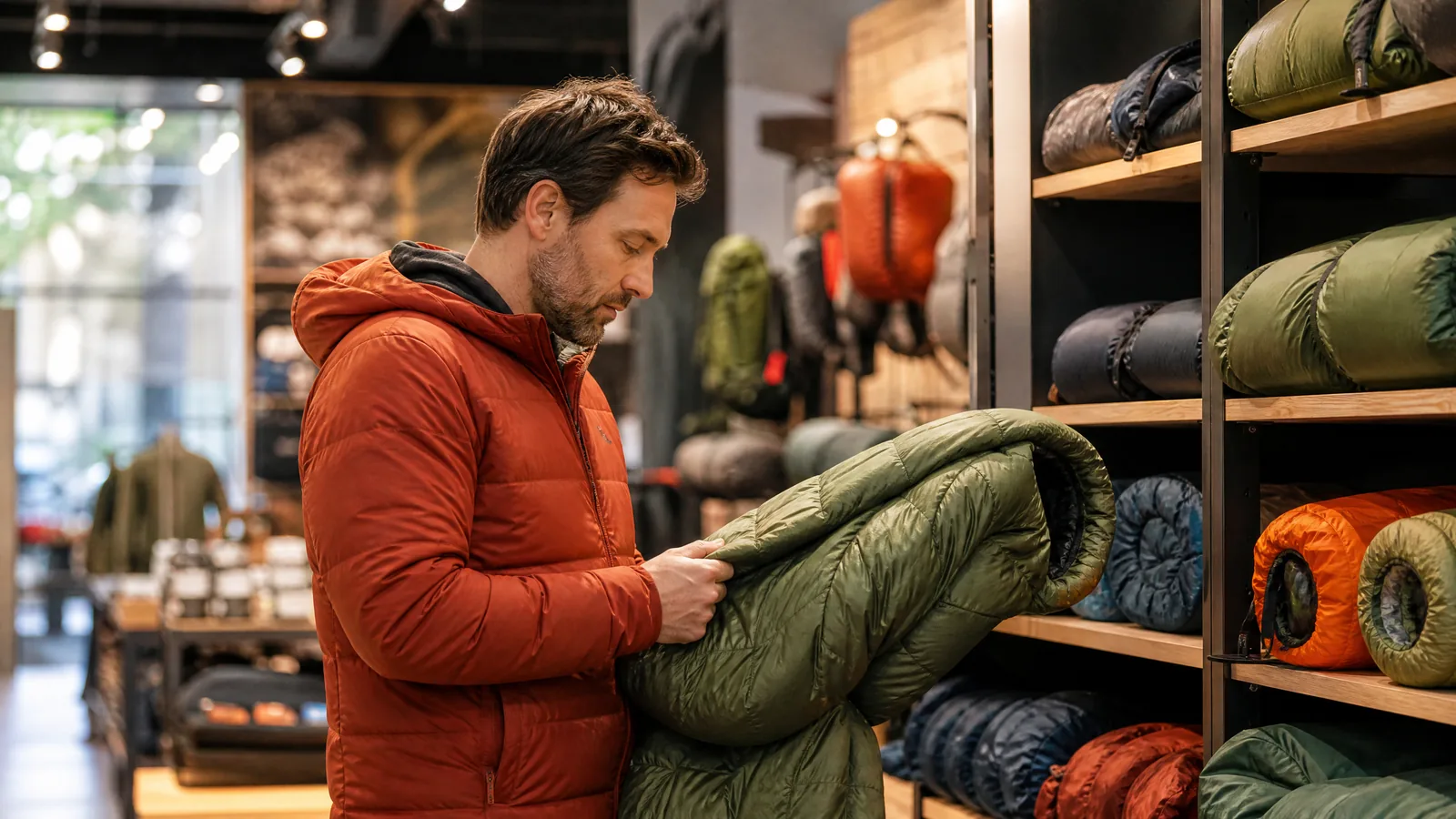
When outdoor enthusiasts visit major sporting goods retailers, camping supply outlets, and outdoor recreation equipment stores, they are actively expressing a passion for nature and travel. By establishing precision digital perimeters around these retail locations, dealerships can capture consented mobile device IDs and introduce them to the world of recreational vehicle ownership.
The Power of Early-Stage Buyer Journey Targeting
The decision to purchase an RV almost always begins with a love for camping and outdoor adventure. Families starting out often begin with weekend tent camping, hiking, and state park visits. Over time, the physical challenges of tent camping—inclement weather, sleeping on hard ground, and packing bulky gear—spark interest in upgrading to towable trailers or motorized RVs.
By geofencing regional outdoor sporting goods stores, dealerships position their brand directly in front of these consumers during their formative recreational experiences. Instead of fighting for attention when a buyer is ready to sign paperwork, your dealership builds brand affinity months in advance.
Furthermore, retail geofencing allows dealerships to tap into passionate affinity groups. Consumers shopping for specialized outdoor gear frequently discuss upcoming trips and vehicle upgrades with peers. Delivering inspiring digital ads to their mobile devices while they browse retail aisles reinforces their recreational aspirations and connects those dreams directly to your dealership showroom.
To convert early-stage retail visitors into showroom inquiries, dealerships often pair retail perimeters with specialized lead generation geofencing campaigns offering exclusive trade-in appraisals, financing consultations, or family camping guides.
Integrating addressable geofencing with retail device logs also allows dealers to match retail visitors with household postal addresses for direct mail follow-up campaigns.
Finally, measuring the offline impact of retail geofencing is accomplished using robust foot traffic attribution models, tracking exact dealership showroom visits from retail-captured audiences.
Related Industry Pages
Core Strategies for Retail Geofencing Campaigns
Executing an effective retail geofencing initiative requires precise technical execution and compelling creative messaging.
1. Mapping Outdoor Retailers and Camping Stores
Dealers collaborate with digital strategists to map accurate polygonal perimeters around major sporting goods chains, local outdoor outfitters, and camping supply centers. Capturing device IDs within these retail footprints creates a targeted audience of verified outdoor enthusiasts.
2. Implementing Lead Generation Geofencing
To convert early-stage retail visitors into showroom leads, dealers deploy specialized lead generation geofencing campaigns offering exclusive trade-in appraisals, financing consultations, or family camping checklists.
3. Cross-Channel Nurturing
Captured device IDs are subsequently targeted across mobile apps, social media feeds, and connected TV with inspiring video content showing the transition from tent camping to effortless RV travel. For maximum local impact, dealers often pair retail geofencing with addressable geofencing around residential neighborhoods.
Measuring Showroom Impact
Using sophisticated foot traffic attribution, dealerships track offline conversions to measure how many retail-captured prospects ultimately walk into the dealership showroom.
Advanced Analytics and Conversion Optimization in RV Dealership Geofencing
Modern location-based advertising goes far beyond simple device ID collection and basic ad serving. To maximize return on ad spend (ROAS) and achieve sustained competitive advantage in the recreational vehicle sector, dealerships must implement rigorous conversion rate optimization (CRO) and attribution analytics. When a prospective buyer enters a geofenced campground, competitor lot, or trade show exhibition, their digital footprint initiates a multi-touch attribution sequence that requires careful data orchestration across mobile platforms, connected television networks, and CRM sales pipelines.
One of the most critical components of advanced geofencing execution is real-time audience feedback loops. As mobile users interact with targeted video ads and display banners following a location visit, machine-learning algorithms analyze engagement patterns, click-through rates, and video completion metrics. This behavioral data allows marketing teams to dynamically adjust creative messaging—shifting emphasis from family-focused towable features to luxury motorhome amenities depending on which specific inventory categories resonate most with the captured audience segment.
Furthermore, integrating offline foot traffic attribution with customer relationship management (CRM) systems empowers dealership sales managers to track individual lead journeys from initial geofence capture to final showroom purchase. When a visitor walks onto your dealership lot after having been exposed to a geofencing campaign weeks prior, the attribution platform logs an offline conversion event. Sales consultants can then review the prospect's location history and engagement touchpoints, enabling personalized sales conversations that address specific vehicle interests and financing questions.
As digital privacy standards and mobile advertising frameworks continue to evolve, relying on deterministic, consented location data provided by specialized geofence marketing agencies ensures long-term campaign stability and compliance. By combining precise polygonal mapping, multi-channel retargeting, and sophisticated attribution modeling, RV dealerships can confidently scale their digital marketing budgets and capture high-margin buyers throughout every season of the year.
Getting Started
Capturing outdoor enthusiasts early in their consideration cycle expands your dealership's prospect pipeline and drives sustainable long-term sales growth. Request a free RV dealership geofencing strategy session to implement retail geofencing for your business today.