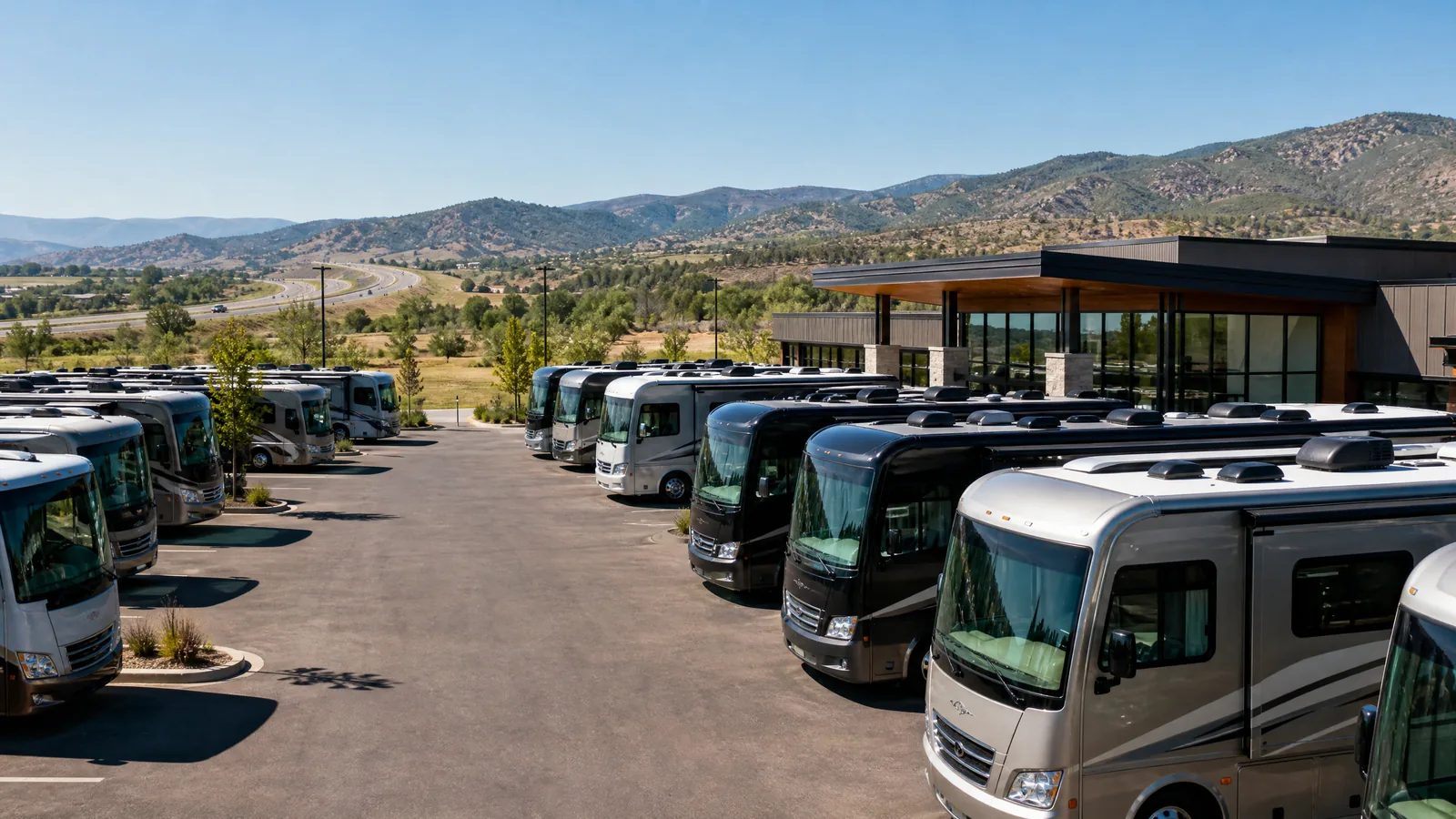
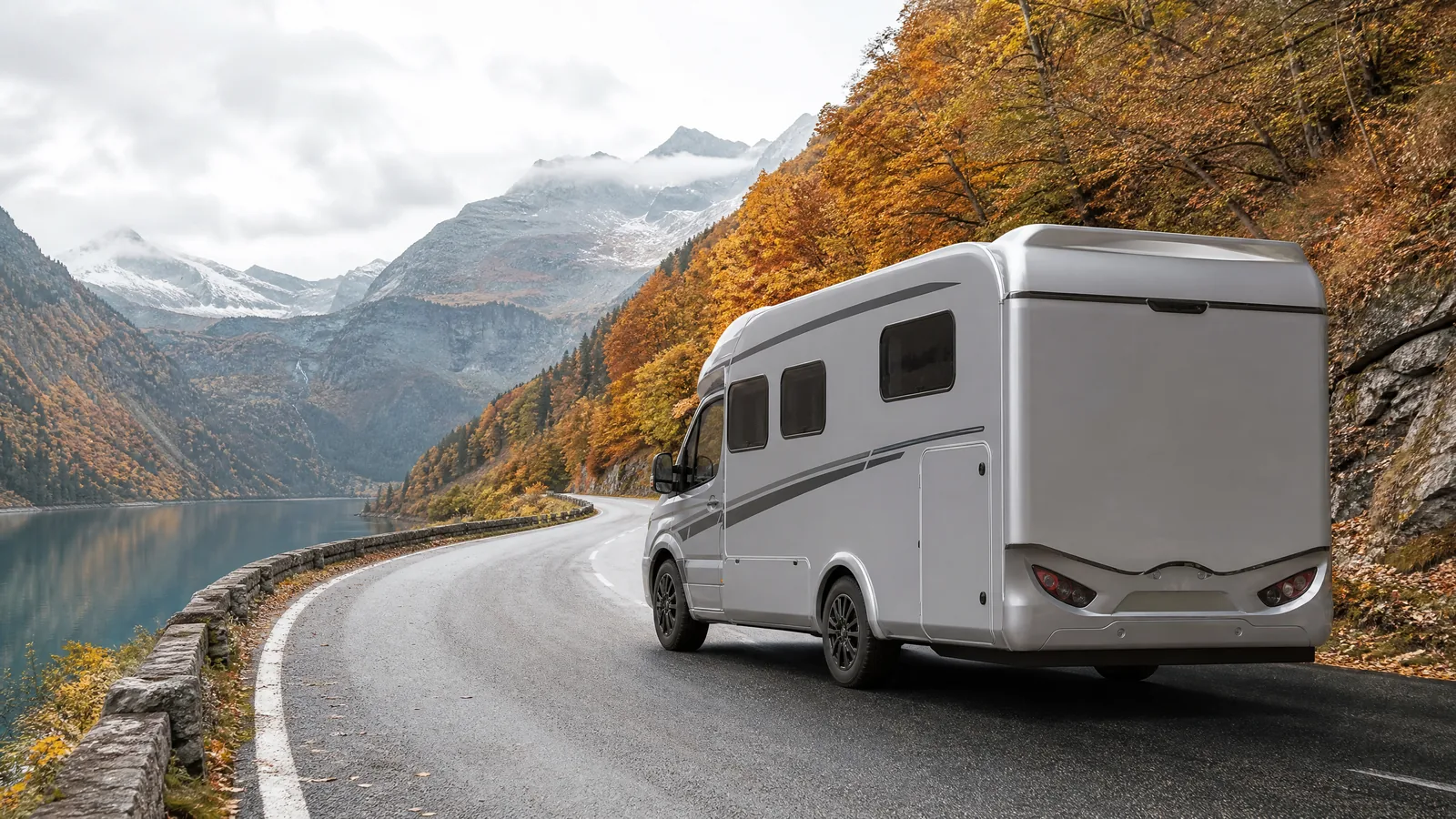
Seasonal rv marketing playbook execution is the hallmark of highly profitable recreational vehicle dealerships. Unlike everyday retail businesses that experience relatively stable year-round demand, the RV industry is governed by pronounced seasonal cycles. Consumer interest surges in spring as winter thaws, peaks during summer road trip season, and evolves into end-of-year clearance events and winter boat-and-RV show circuits. To capture maximum market share, dealerships must deploy an agile, seasonally adapted geofencing playbook. To understand the foundational mechanics of location-based data architecture, review our guide on what is geofencing.
A static, unchanging digital advertising strategy wastes precious budget during off-peak months and fails to capitalize on high-intent buyer surges when consumer enthusiasm is at its peak. Aligning your geofencing perimeters and creative messaging with the natural calendar of the RV lifestyle ensures optimal return on ad spend.
The Four-Season RV Geofencing Calendar
Implementing a winning seasonal strategy requires rotating geofencing targets and ad creatives across four distinct operational phases.
1. Late Winter & Early Spring: Show Circuit & Pre-Season Prep
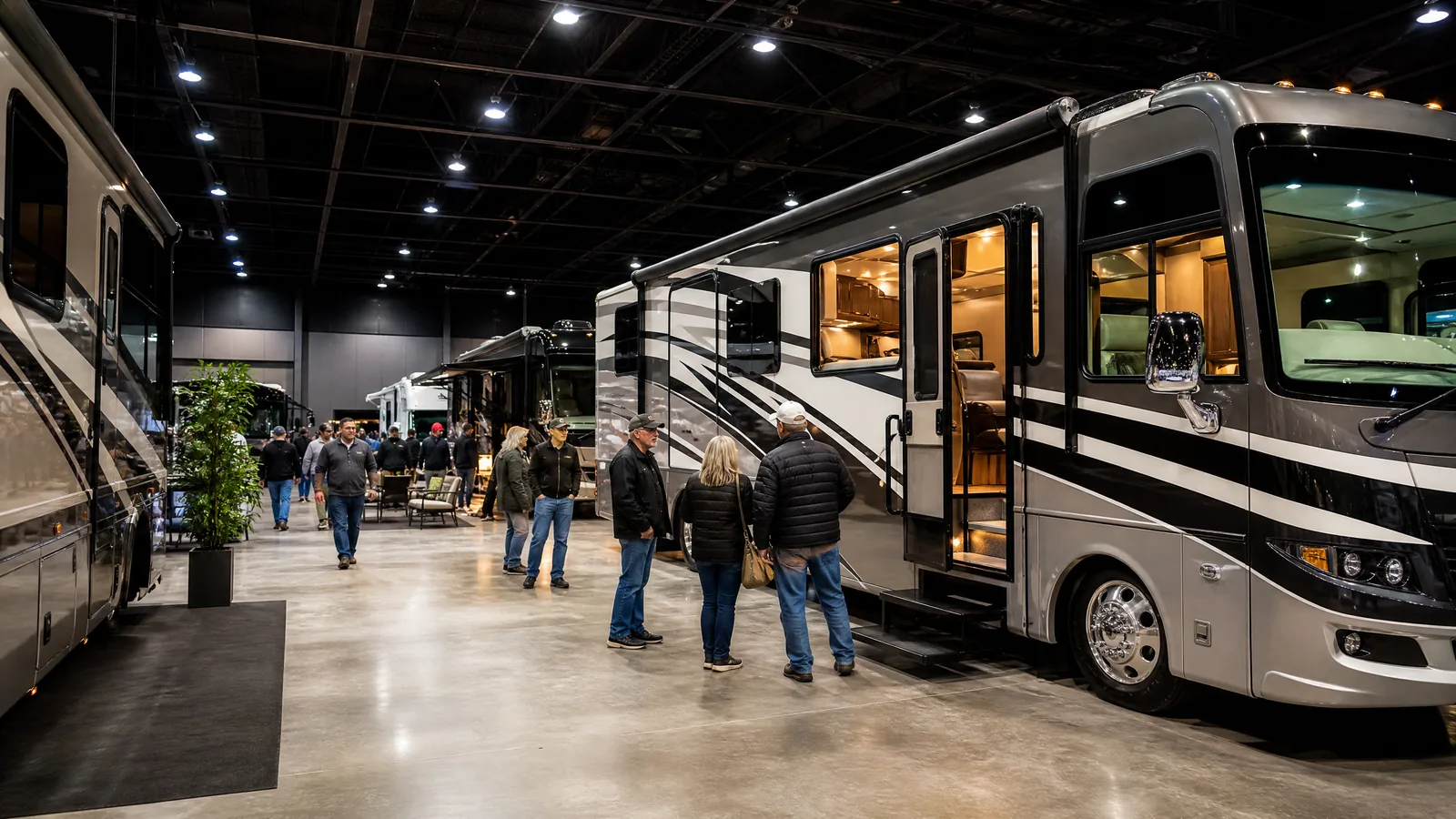
As winter gives way to spring, consumer thoughts turn to upcoming travel plans. This phase centers on indoor RV exhibitions, consumer trade shows, and competitor lot conquesting. Utilizing event geofencing around regional RV shows captures early-bird shoppers eager to inspect new floorplans.
2. Spring & Summer: Campground & Outdoor Recreation Surge
From May through August, camping season is in full swing. Geofencing shifts toward regional state parks, private campgrounds, and sporting goods retailers. Pairing campground targeting with addressable geofencing ensures households receive direct follow-up marketing.
3. Late Summer & Fall: Model-Year Clearance & Tailgating
As summer winds down, dealers must clear previous-year inventory. Fall campaigns target college football stadiums, tailgating events, and competitor lots offering year-end closeouts. Integrating competitor geofencing during this window helps capture bargain-hunting shoppers.
4. Winter: Storage Facilities & Early Booking
Even during winter storage months, owners visit storage lots to winterize or inspect equipment. Geofencing storage facilities allows dealers to reach owners experiencing equipment frustration, offering upgrade consultations and early-bird spring incentives.
Furthermore, maintaining continuous audience engagement through programmatic display and connected TV ads during off-peak winter months ensures your dealership remains top-of-mind when the spring buying surge commences. Coordinating these seasonal campaigns with lead generation geofencing maximizes conversion efficiency year-round.
Rigorous attribution modeling ensures that every seasonal campaign dollar is accounted for, tracking offline visits to your dealership lot using advanced foot traffic attribution technology across every month of the calendar year.
Related Industry Pages
Measuring Seasonal Lift with Attribution
To verify the success of seasonal shifts, dealerships utilize foot traffic attribution to measure physical showroom visit lift across every campaign phase.
Advanced Analytics and Conversion Optimization in RV Dealership Geofencing
Modern location-based advertising goes far beyond simple device ID collection and basic ad serving. To maximize return on ad spend (ROAS) and achieve sustained competitive advantage in the recreational vehicle sector, dealerships must implement rigorous conversion rate optimization (CRO) and attribution analytics. When a prospective buyer enters a geofenced campground, competitor lot, or trade show exhibition, their digital footprint initiates a multi-touch attribution sequence that requires careful data orchestration across mobile platforms, connected television networks, and CRM sales pipelines.
One of the most critical components of advanced geofencing execution is real-time audience feedback loops. As mobile users interact with targeted video ads and display banners following a location visit, machine-learning algorithms analyze engagement patterns, click-through rates, and video completion metrics. This behavioral data allows marketing teams to dynamically adjust creative messaging—shifting emphasis from family-focused towable features to luxury motorhome amenities depending on which specific inventory categories resonate most with the captured audience segment.
Furthermore, integrating offline foot traffic attribution with customer relationship management (CRM) systems empowers dealership sales managers to track individual lead journeys from initial geofence capture to final showroom purchase. When a visitor walks onto your dealership lot after having been exposed to a geofencing campaign weeks prior, the attribution platform logs an offline conversion event. Sales consultants can then review the prospect's location history and engagement touchpoints, enabling personalized sales conversations that address specific vehicle interests and financing questions.
As digital privacy standards and mobile advertising frameworks continue to evolve, relying on deterministic, consented location data provided by specialized geofence marketing agencies ensures long-term campaign stability and compliance. By combining precise polygonal mapping, multi-channel retargeting, and sophisticated attribution modeling, RV dealerships can confidently scale their digital marketing budgets and capture high-margin buyers throughout every season of the year.
Additionally, forward-thinking dealerships incorporate CRM retargeting synchronization, allowing marketing teams to cross-reference offline customer purchase databases with geofenced mobile audiences. This comprehensive integration ensures that marketing dollars are never wasted on existing customers who recently completed a purchase, while aggressively prospecting new buyers who fit ideal demographic and recreational profiles.
Additionally, forward-thinking dealerships incorporate CRM retargeting synchronization, allowing marketing teams to cross-reference offline customer purchase databases with geofenced mobile audiences. This comprehensive integration ensures that marketing dollars are never wasted on existing customers who recently completed a purchase, while aggressively prospecting new buyers who fit ideal demographic and recreational profiles.
Getting Started
Adopting a disciplined seasonal geofencing playbook ensures your dealership dominates year-round buyer demand. Request a free RV dealership geofencing strategy session to build your custom annual marketing calendar today.