
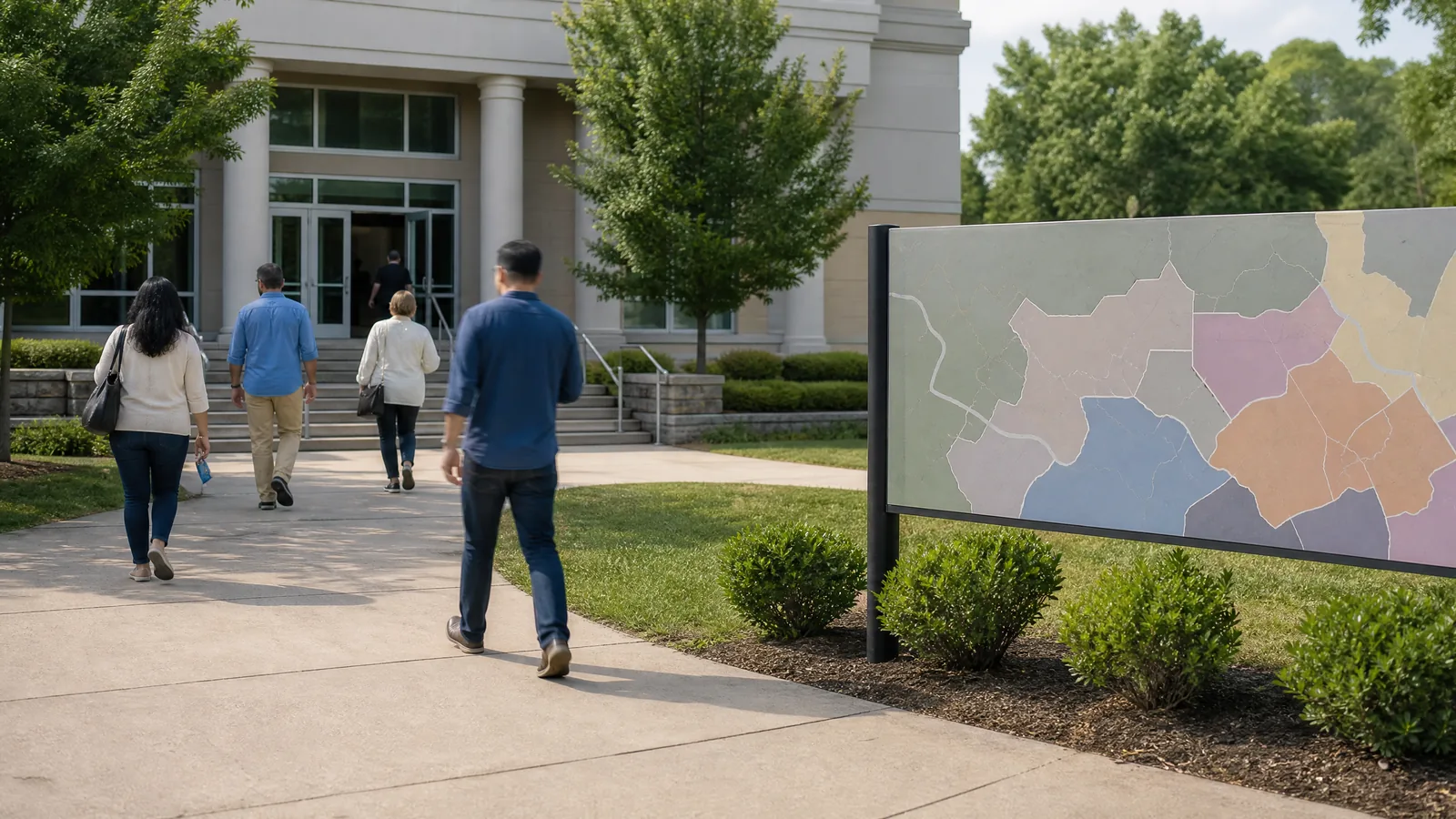
Navigating the complex regulatory landscape of elections is one of the greatest challenges facing modern political strategists. When considering how to mobilize supporters, campaign managers frequently ask how to approach geofencing near polling places without violating strict election laws. Because electioneering rules prohibit active campaigning within specific physical buffer zones of voting booths, digital proximity strategies require absolute legal precision.
Understanding where digital boundaries intersect with statutory election rules protects campaigns from costly legal challenges and maintains voter trust. While physical electioneering laws were written long before smartphones existed, regulatory bodies increasingly scrutinize digital proximity marketing during active voting windows. Compliance must be built into the core of any media plan.
Understanding Electioneering Proximity Laws
Most states enforce clear buffer zones—ranging from 50 to 500 feet—around active polling stations where campaign materials, candidate signage, and active solicitation are strictly prohibited. When deploying digital ad campaigns, setting a geofence too close to a voting entrance risks constructive violation of these statutes if targeted ads influence voters inside the restricted zone.
To remain fully compliant, sophisticated campaigns utilize addressable geofencing focused on residential voter files rather than real-time polling station surveillance. This ensures that get-out-the-vote (GOTV) messaging reaches citizens in their homes or along commuting corridors well outside restricted voting zones.
Legal Compliance Warning
Never attempt to geofence inside or immediately adjacent to active polling locations during voting hours. Always consult legal counsel regarding state-specific electioneering buffer zones and digital blackout periods.
Compliant Voter Mobilization Strategies
Effective voter turnout does not require risky polling-place proximity tactics. Instead, campaigns achieve superior engagement by focusing on early voting centers during legally permitted operational windows, community bulletin hubs, and authenticated voter households.
Using event geofencing around early voting sites allows campaigns to deliver non-partisan informational reminders about polling hours, wait times, and ballot drop box locations, ensuring supporters cast their votes successfully without crossing ethical or legal lines.
| Targeting Zone | Compliance Risk | Recommended Use Case |
|---|---|---|
| Active Polling Room / Entrance | Critical Risk (Illegal Electioneering) | Strictly Prohibited |
| Early Voting Municipal Centers | Moderate (Verify Permitted Hours) | Informational GOTV Reminders |
| Residential Voter Households | Fully Compliant | Comprehensive Voter Turnout & Messaging |
Leveraging Digital Infrastructure for Secure Turnout
Securing high voter turnout relies on proactive communication rather than last-minute proximity pressure. By integrating lead generation geofencing with voter education initiatives, campaigns empower citizens with accurate voting logistics while maintaining impeccable legal standing.
Every digital creative unit must be reviewed by legal counsel to verify compliance with state-specific disclosure laws and platform political advertising authorizations.
Advanced Measurement and Accountability
To quantify the success of get-out-the-vote initiatives, campaigns integrate foot traffic attribution models to measure voter participation across designated community centers and early voting hubs. This data-driven framework ensures optimal resource distribution without violating privacy thresholds.
In addition to foundational campaign setups, strategic media planners must evaluate ongoing performance analytics and audience responsiveness across digital channels. By monitoring key performance indicators such as click-through rates, impression distribution, and conversion milestones within targeted voting districts, political media teams can refine messaging dynamically. This rigorous analytical framework ensures that voter outreach remains highly effective, fully compliant, and closely aligned with overall electoral objectives throughout the entire campaign lifecycle.
In addition to foundational campaign setups, strategic media planners must evaluate ongoing performance analytics and audience responsiveness across digital channels. By monitoring key performance indicators such as click-through rates, impression distribution, and conversion milestones within targeted voting districts, political media teams can refine messaging dynamically. This rigorous analytical framework ensures that voter outreach remains highly effective, fully compliant, and closely aligned with overall electoral objectives throughout the entire campaign lifecycle.
In addition to foundational campaign setups, strategic media planners must evaluate ongoing performance analytics and audience responsiveness across digital channels. By monitoring key performance indicators such as click-through rates, impression distribution, and conversion milestones within targeted voting districts, political media teams can refine messaging dynamically. This rigorous analytical framework ensures that voter outreach remains highly effective, fully compliant, and closely aligned with overall electoral objectives throughout the entire campaign lifecycle.
In addition to foundational campaign setups, strategic media planners must evaluate ongoing performance analytics and audience responsiveness across digital channels. By monitoring key performance indicators such as click-through rates, impression distribution, and conversion milestones within targeted voting districts, political media teams can refine messaging dynamically. This rigorous analytical framework ensures that voter outreach remains highly effective, fully compliant, and closely aligned with overall electoral objectives throughout the entire campaign lifecycle.
In addition to foundational campaign setups, strategic media planners must evaluate ongoing performance analytics and audience responsiveness across digital channels. By monitoring key performance indicators such as click-through rates, impression distribution, and conversion milestones within targeted voting districts, political media teams can refine messaging dynamically. This rigorous analytical framework ensures that voter outreach remains highly effective, fully compliant, and closely aligned with overall electoral objectives throughout the entire campaign lifecycle.
In addition to foundational campaign setups, strategic media planners must evaluate ongoing performance analytics and audience responsiveness across digital channels. By monitoring key performance indicators such as click-through rates, impression distribution, and conversion milestones within targeted voting districts, political media teams can refine messaging dynamically. This rigorous analytical framework ensures that voter outreach remains highly effective, fully compliant, and closely aligned with overall electoral objectives throughout the entire campaign lifecycle.
Related Industry Pages
Modern elections require sophisticated, data-driven digital infrastructure that respects voter privacy while delivering compelling messaging. Partner with experienced media strategists to deploy robust geofencing frameworks that elevate your platform and engage voters effectively. Request a free political campaign geofencing strategy session to discuss your upcoming race today.