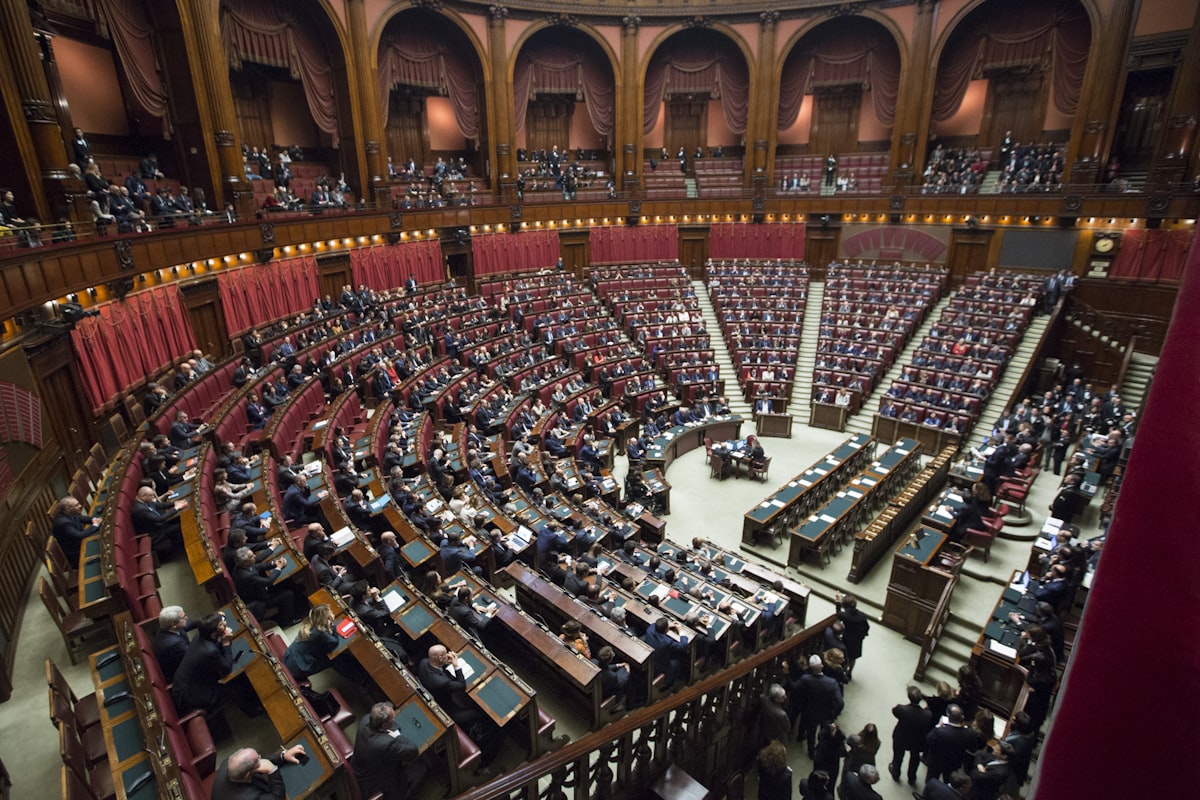

Political campaign geofencing has transformed modern voter outreach, enabling campaigns to engage persuadable audiences with pinpoint geographic precision. When evaluating how to connect with undecided voters, modern strategists frequently examine whether they can legally and effectively utilize political geofencing around public political events. Rather than relying solely on broad zip-code broadcasting, event-based location technology allows campaigns to focus resources precisely where engaged citizens gather in high concentrations.
Elections are won at the margins, making every single voter impression critical to electoral success. By establishing digital perimeters around public venues, convention halls, town squares, and rival gatherings, campaign managers can deliver timely platform contrasts directly to mobile devices. However, navigating the intersection of political strategy and digital privacy requires strict adherence to regulatory standards, campaign finance disclosure rules, and ethical advertising practices.
The Mechanics of Political Event Geofencing
Political event geofencing operates by drawing a virtual boundary—often called a polygon—around a physical location such as an arena, park, or stadium hosting a public rally. When mobile devices enter this polygon while interacting with location-enabled mobile applications, anonymous mobile advertising IDs (MAIDs) are captured securely. This enables campaigns to deliver relevant policy messages while attendees are present or immediately following the conclusion of the event.
To maximize campaign efficiency and voter persuasion, savvy political strategists pair event capture with competitor geofencing techniques and addressable geofencing. This multi-layered programmatic approach ensures that voters who attended a rival rally receive follow-up digital touchpoints on their home devices, reinforcing alternative policy positions during key deliberation windows when voters are actively comparing candidates.
Compliance Note for Political Advertising
Political ad campaigns must strictly avoid discriminatory targeting, sensitive personal data collection, or misrepresentation. All digital ads must include required paid-for authorization disclosures and comply with state election commission rules and programmatic platform policies.
Strategic Advantages of Hyper-Local Voter Outreach
Traditional media buys often suffer from severe audience wastage, delivering expensive messages to uninterested or ineligible viewers outside a specific voting district. Geofencing eliminates this inefficiency by focusing entirely on high-intent physical locations where active voters congregate.
Furthermore, event geofencing allows campaigns to reach persuadable voters who may not yet be registered on official party lists. By engaging mobile users at public forums, campaigns expand their universe of prospective supporters without relying solely on outdated voter registration rolls.
| Outreach Method | Geographic Precision | Audience Intent | Compliance Complexity |
|---|---|---|---|
| Broad Cable TV | DMA / County Level | Low to Moderate | Standard |
| Direct Mail | Zip Code / Household | Moderate | Low |
| Political Geofencing | Meter-Level Polygon | High (Active Event Attendee) | Requires Strict Adherence |
Overcoming Campaign Challenges in Competitive Races
In highly contested elections, campaigns face intense pressure to capture every undecided voter. When a rival candidate holds a large rally, it represents a concentrated gathering of politically active citizens. While you cannot physically block access to a public venue, digital geofencing levels the playing field by ensuring your platform's message reaches attendees as they check their phones before, during, and after the event.
To ensure maximum message retention, campaigns should pair mobile display banners with video pre-roll and lead generation geofencing landing pages that invite users to sign up for volunteer updates or town hall invitations.
Advanced Measurement and Attribution in Political Media
Modern political campaigns operate in an environment where accountability and return on ad spend dictate electoral success. When deploying advanced location intelligence, campaign managers require robust attribution models to understand how digital touchpoints translate into actual voter turnout and campaign contributions. By utilizing sophisticated foot traffic attribution, media teams can track the physical movement of exposed mobile devices from targeted rally perimeters and community events directly to campaign headquarters, town hall meetings, and early voting centers.
Best Practices for Ethical Campaign Deployment
Executing a successful political geofencing initiative demands rigorous adherence to data ethics. Campaigns should never attempt to target voters based on protected characteristics or confidential personal data. Instead, focus should remain on policy issues, candidate qualifications, and public civic engagement.
Furthermore, frequency capping prevents ad fatigue among rally attendees, ensuring that digital impressions remain helpful and informative rather than intrusive. Transparent disclaimers regarding who paid for the communication build essential trust with skeptical or undecided constituents.
In addition to foundational campaign setups, strategic media planners must evaluate ongoing performance analytics and audience responsiveness across digital channels. By monitoring key performance indicators such as click-through rates, impression distribution, and conversion milestones within targeted voting districts, political media teams can refine messaging dynamically. This rigorous analytical framework ensures that voter outreach remains highly effective, fully compliant, and closely aligned with overall electoral objectives throughout the entire campaign lifecycle.
In addition to foundational campaign setups, strategic media planners must evaluate ongoing performance analytics and audience responsiveness across digital channels. By monitoring key performance indicators such as click-through rates, impression distribution, and conversion milestones within targeted voting districts, political media teams can refine messaging dynamically. This rigorous analytical framework ensures that voter outreach remains highly effective, fully compliant, and closely aligned with overall electoral objectives throughout the entire campaign lifecycle.
In addition to foundational campaign setups, strategic media planners must evaluate ongoing performance analytics and audience responsiveness across digital channels. By monitoring key performance indicators such as click-through rates, impression distribution, and conversion milestones within targeted voting districts, political media teams can refine messaging dynamically. This rigorous analytical framework ensures that voter outreach remains highly effective, fully compliant, and closely aligned with overall electoral objectives throughout the entire campaign lifecycle.
Related Industry Pages
Modern elections require sophisticated, data-driven digital infrastructure that respects voter privacy while delivering compelling messaging. Partner with experienced media strategists to deploy robust geofencing frameworks that elevate your platform and engage voters effectively. Request a free political campaign geofencing strategy session to discuss your upcoming race today.